Nova
Stoke Space
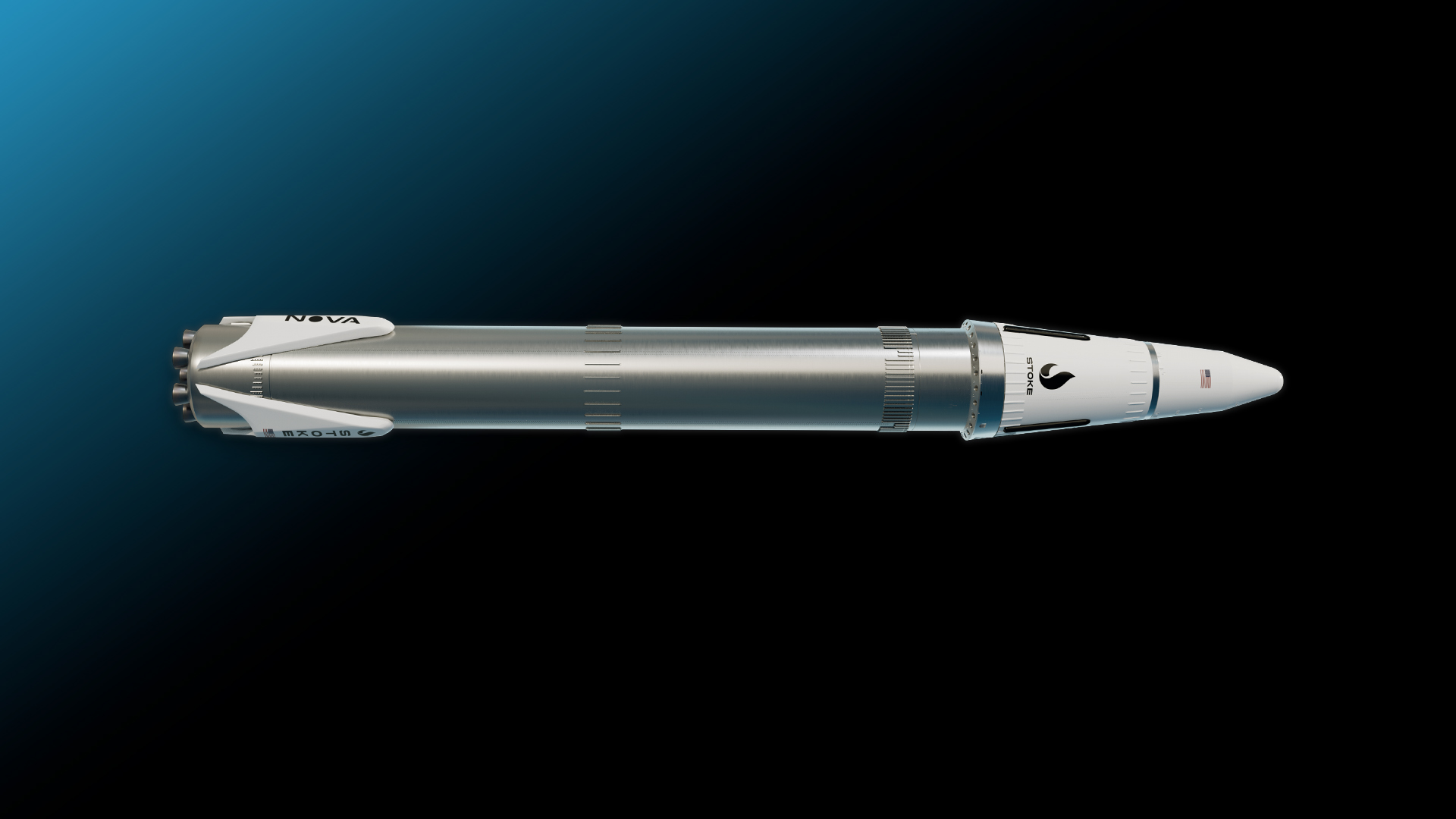
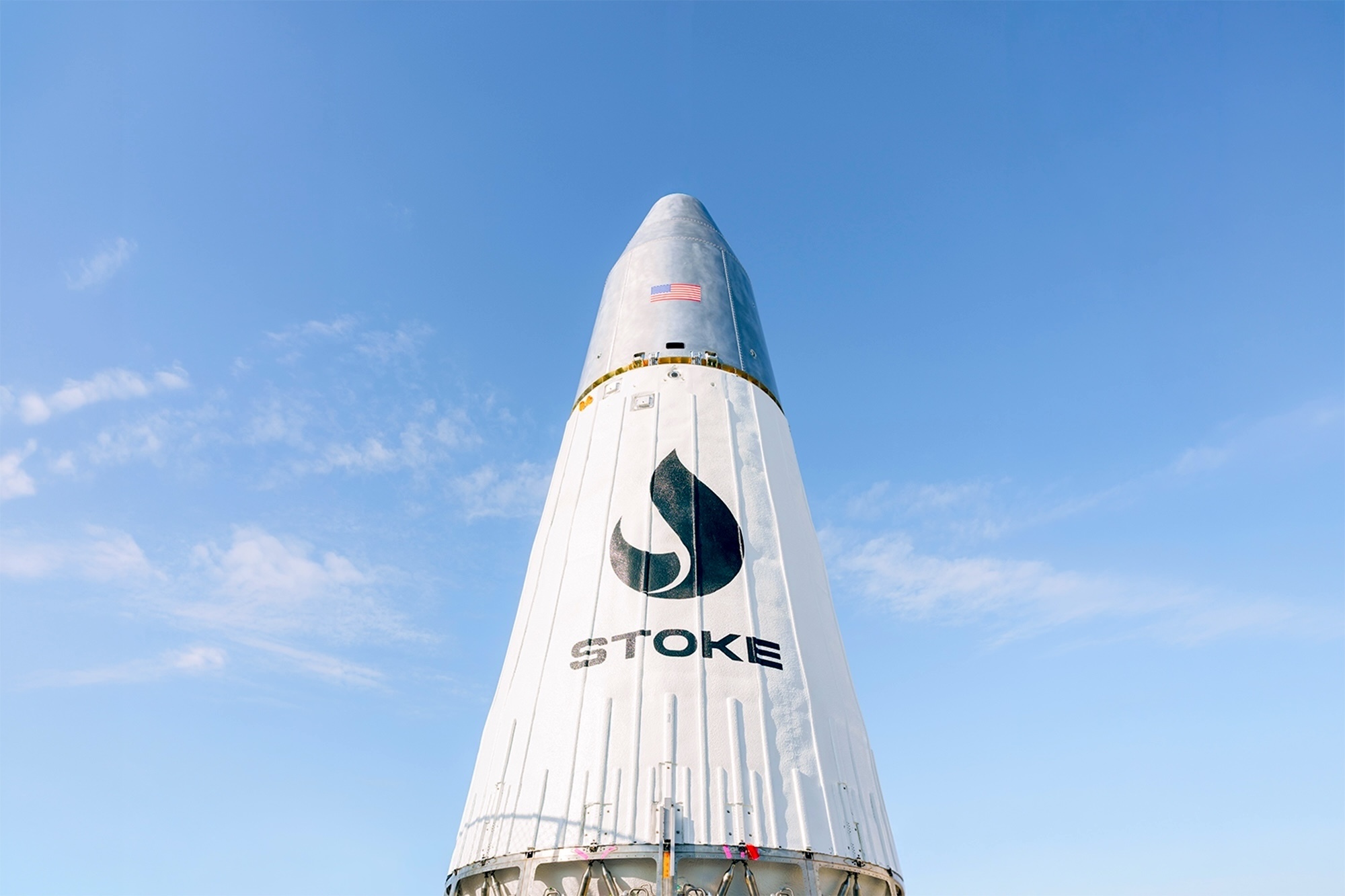
Stoke Space’s Nova launch vehicle is a planned fully reusable 2-stage rocket. The 1st stage uses 7 Zenith Full-flow staged-combustion (FFSC) engines using Liquified natural gas/liquid oxygen (LNG/LOX) as fuel, with restartable capability and landing legs for landing. The 2nd stage is unconventionally designed around a 24-thrust chamber liquid hydrogen/liquid oxygen (LH2/LOX) expander cycle rocket engine that surrounds a regeneratively cooled heat shield, thus enabling the upper stage to return to Earth from orbit without thermal tiles. The nozzle accommodates deep throttle operation even in the presence of atmospheric pressure and serves as an actively cooled metallic heat shield during atmospheric reentry. There is also a center passive bleed that aims to create an aerospike engine-like effect for improved efficiency.

🚀 About the rocket: Nova






📰 News
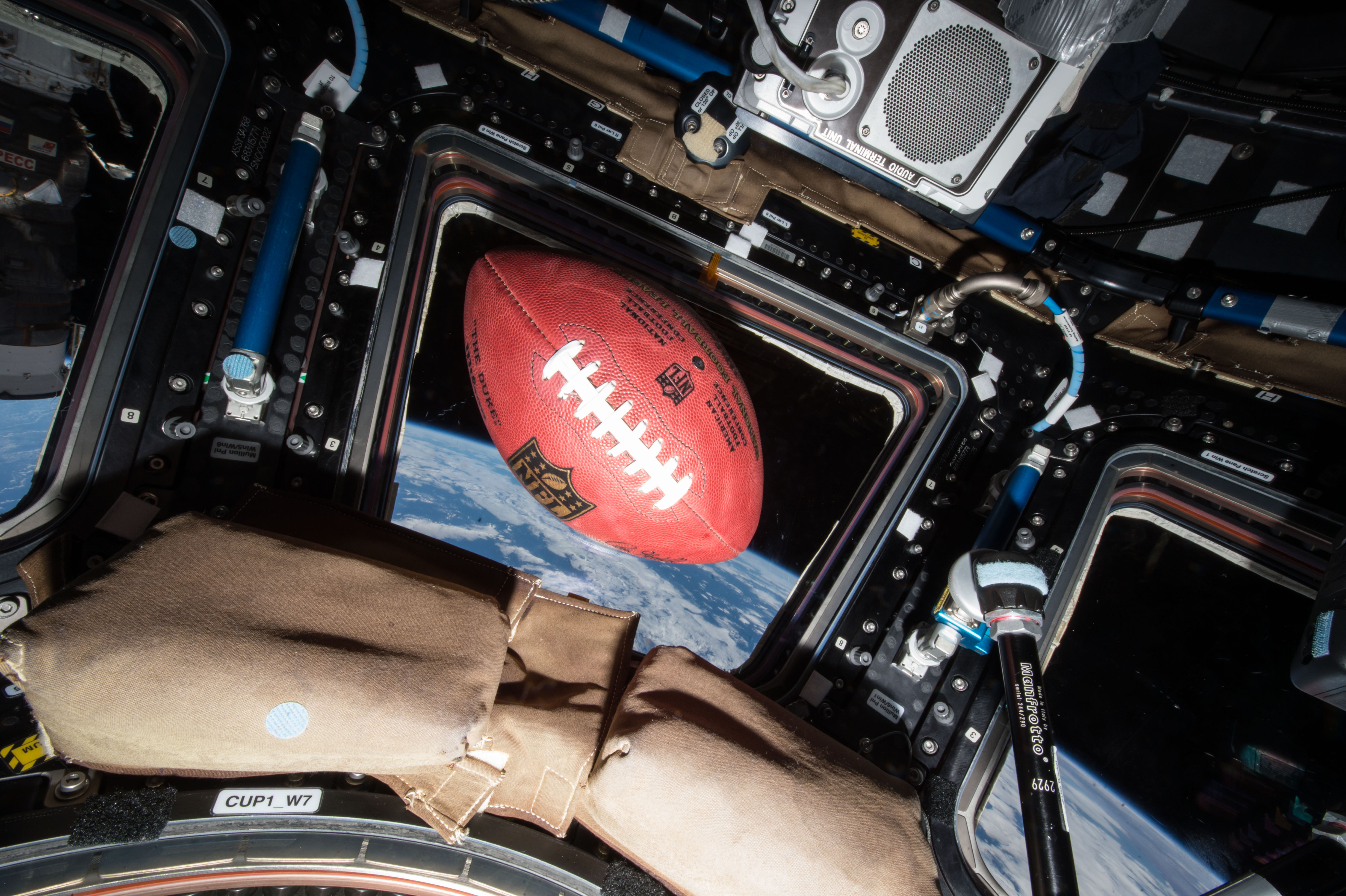
Through a new collaboration between NASA and the National Football League (NFL), the agency will soon bring America’s strengths in space exploration and aeronautics innovation to the football field. NASA will conduct flyovers, astronaut appearances, and fan engagement at NFL games across the United States as part of its new Inspiration Tour. “This is the […]
The space economy will grow exactly as fast as we can launch rockets.

Paris, France | August 2026– More than 6,500 Earth observation (EO) satellites are expected to launch by 2035, generating $155.9 billion in manufacturing revenues as governments expand sovereign intelligence, surveillance, […] The post New Novaspace forecast: 6,500+ EO satellites to launch by 2035 appeared first on SpaceNews.

Portal Space Systems has acquired a Falcon 9 to launch its first Supernova spacecraft and will offer excess capacity on the vehicle for rideshare payloads. The post Portal Space Systems to include rideshare payloads on Falcon 9 launch of Supernova appeared first on SpaceNews.

While Starship is grabbing headlines, another fully reusable vehicle is advancing towards a potential 2026… The post Stoke Space conducts second stage fit checks, completes first stage engines ahead of Nova debut appeared first on NASASpaceFlight.com.

WARSAW, Poland — Bulgaria’s government has approved a draft memorandum of understanding with local company Starbase Europe to collaborate on the development of a new space and defense innovation hub […] The post Bulgaria advances project to launch new space, defense innovation hub appeared first on SpaceNews.
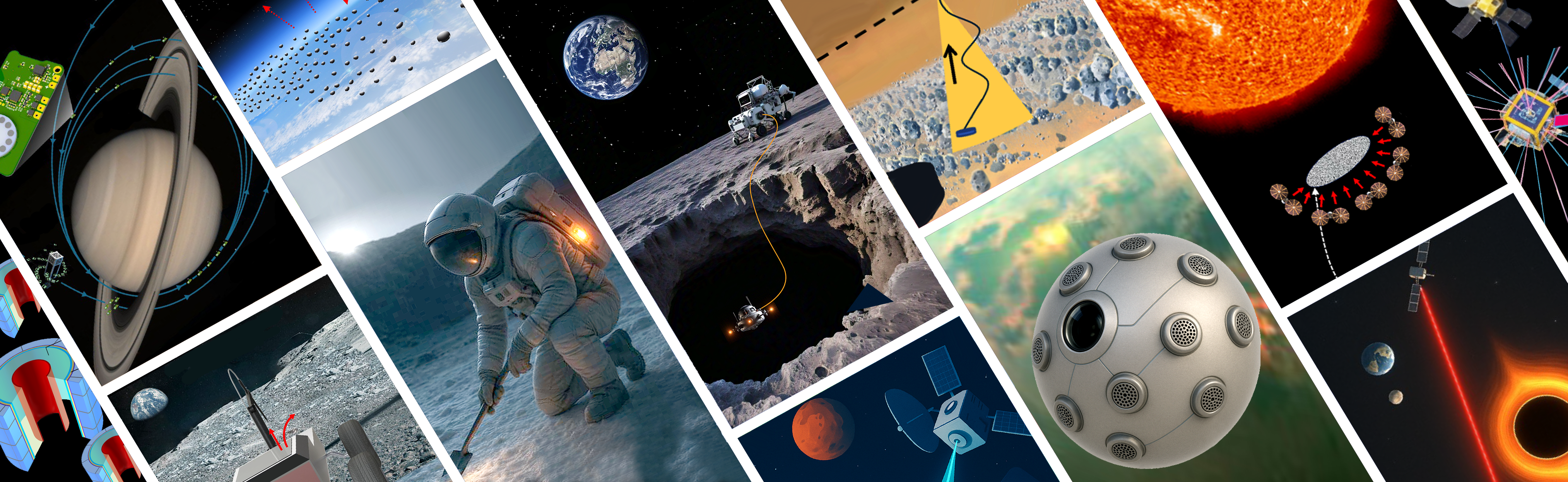
The NASA Innovative Advanced Concepts (NIAC) program has created 18 new awards to support visionary ideas to improve aerospace technologies in areas ranging from the exploration of the solar system to understanding the universe. The 18 NIAC Phase I awards total $3.2 million. Each award provides up to $175,000 for a nine-month initial investigation. The […]

DIU solicitation aims to move long-studied technology toward military use by fiscal 2030 The post Defense Innovation Unit seeks commercial path to deliver electrical power from orbit appeared first on SpaceNews.
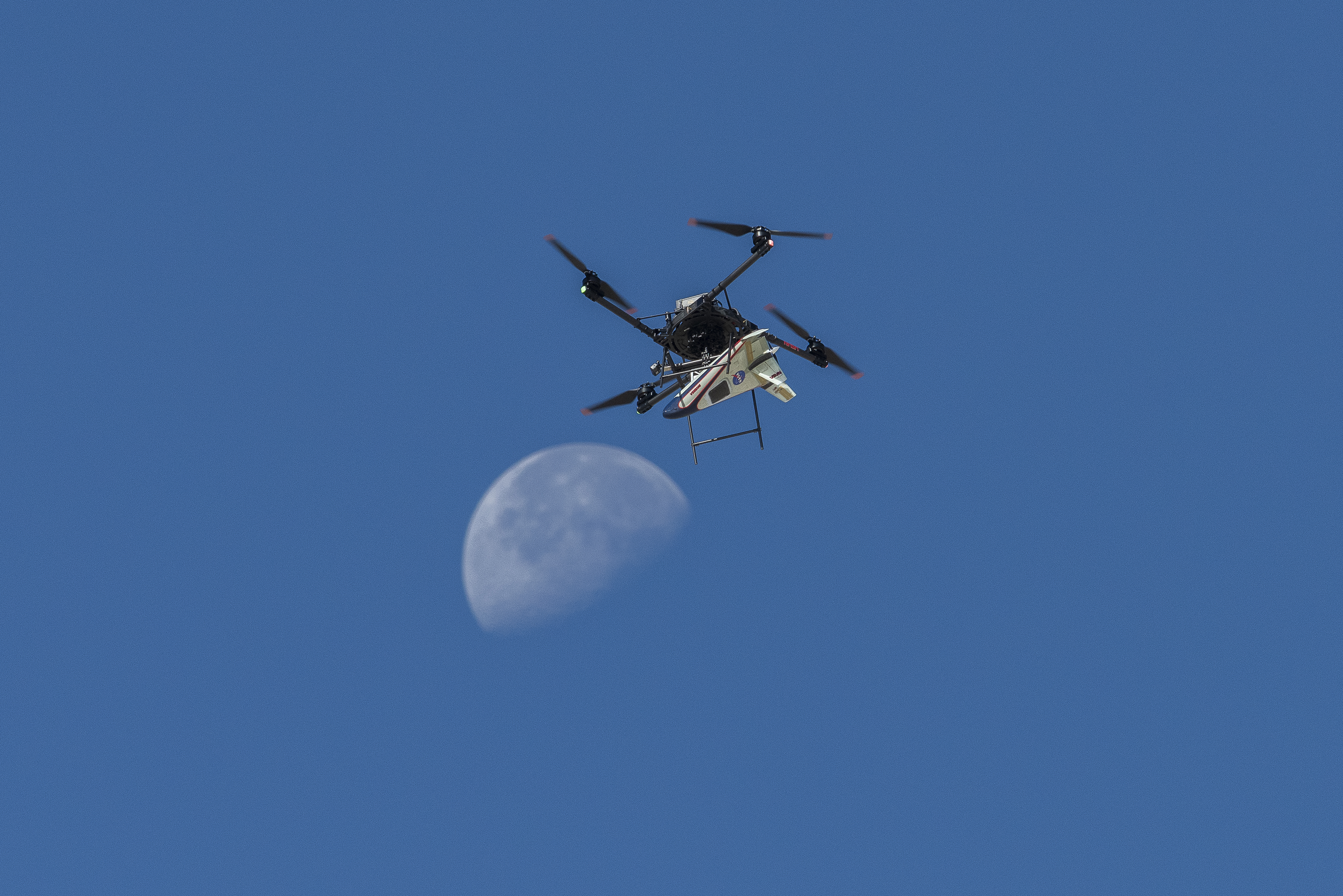
Testing new aerospace concepts in flight remains one of NASA’s most effective ways to advance knowledge and reduce risk. The Dale Reed Subscale Flight Research Laboratory at NASA’s Armstrong Flight Research Center in Edwards, California, supports this mission by using small, remotely piloted and autonomous aircraft as cost‑effective platforms to mature innovative ideas, accelerate learning, […]

Riyadh, Saudi Arabia – June, 2026 The Centre for Space Futures (CSF), together with leading international partners including Novaspace, and SpaceTech Gulf, have signed a Memorandum of Cooperation (MoC) to […] The post Centre for Space Futures, Novaspace and SpaceTech Gulf Sign Agreement to Develop Global Space Capability Mapping Dashboard appeared first on SpaceNews.
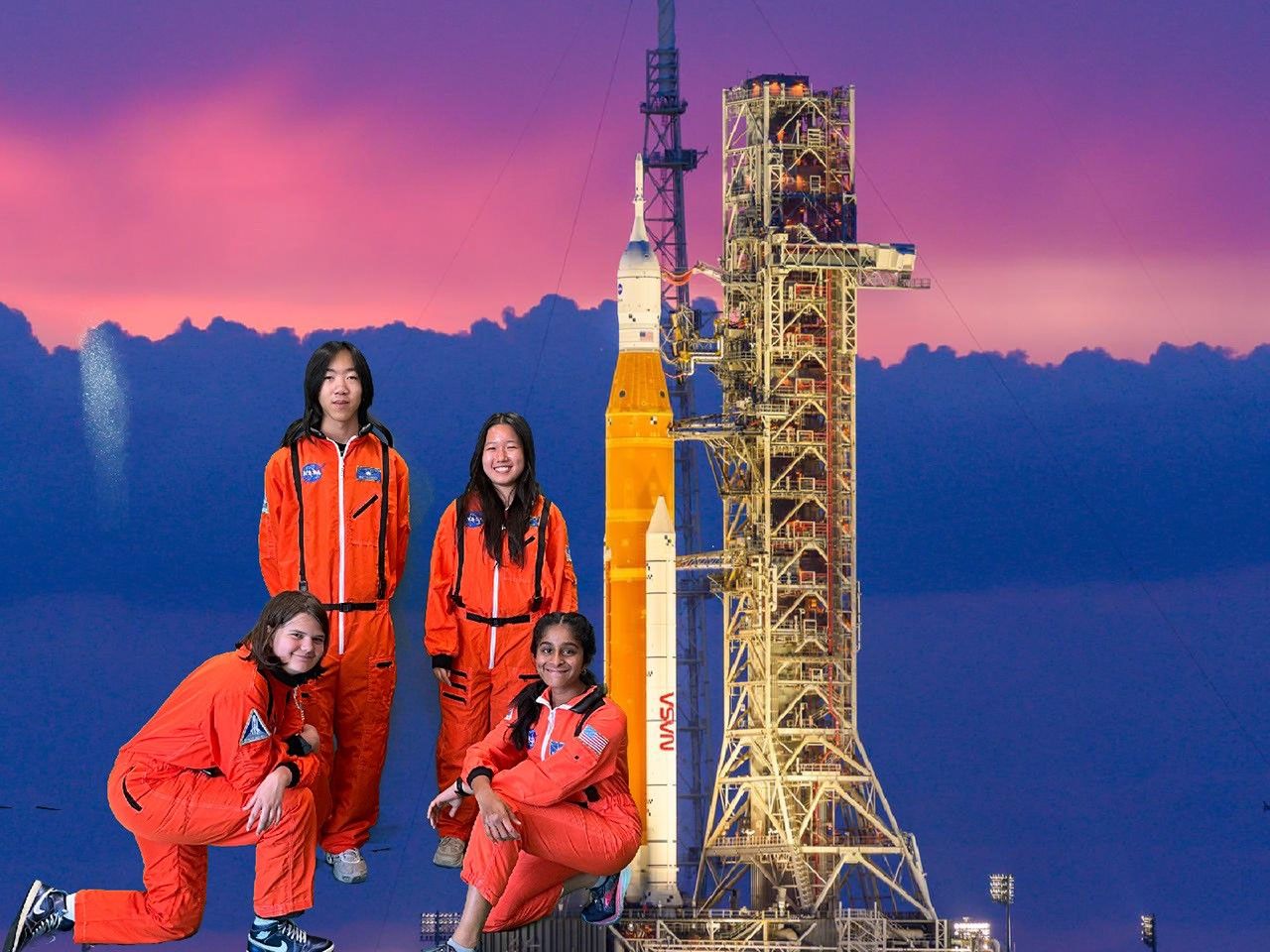
The Northwest Earth and Space Science Pathways (NESSP) project recently concluded its 2025–2026 ROADS (Rover Observation And Discoveries in Space) from Earth to Venus National Challenge, a NASA Science Activation program student challenge that engaged more than 500 students on 120 teams from eight states in authentic science and engineering experiences inspired by Venus exploration. […]
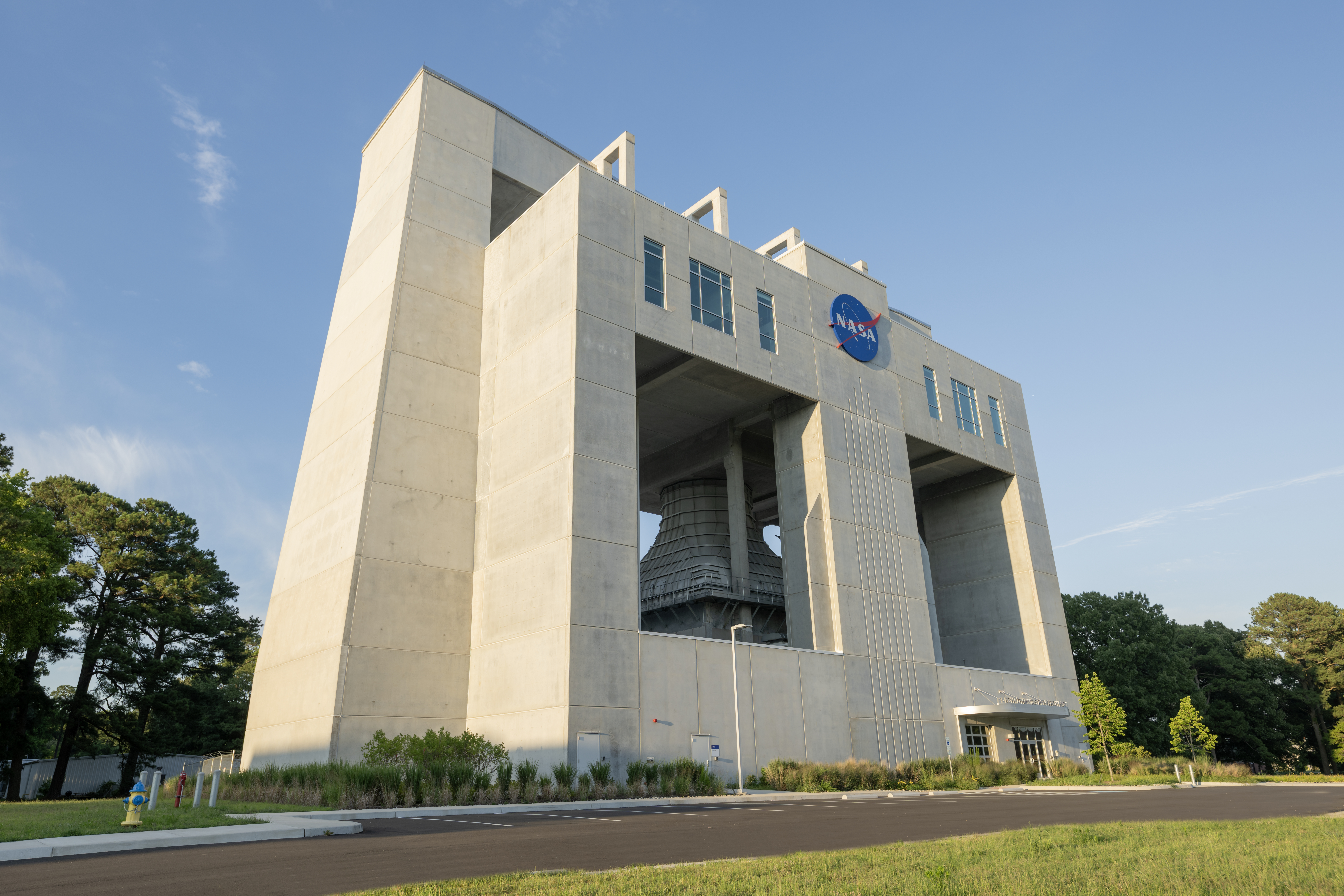
For more than 100 years, wind tunnels at NASA’s Langley Research Center in Hampton, Virginia, have helped shape the future of flight. Now, two of NASA’s longest-serving facilities — the 12-Foot Low-Speed Tunnel and the 20-Foot Vertical Spin Tunnel — will pass the torch to the Flight Dynamics Research Facility (FDRF), the first major NASA wind tunnel built in more than 40 years. “The FDRF […]