Space Shuttle
National Aeronautics and Space Administration
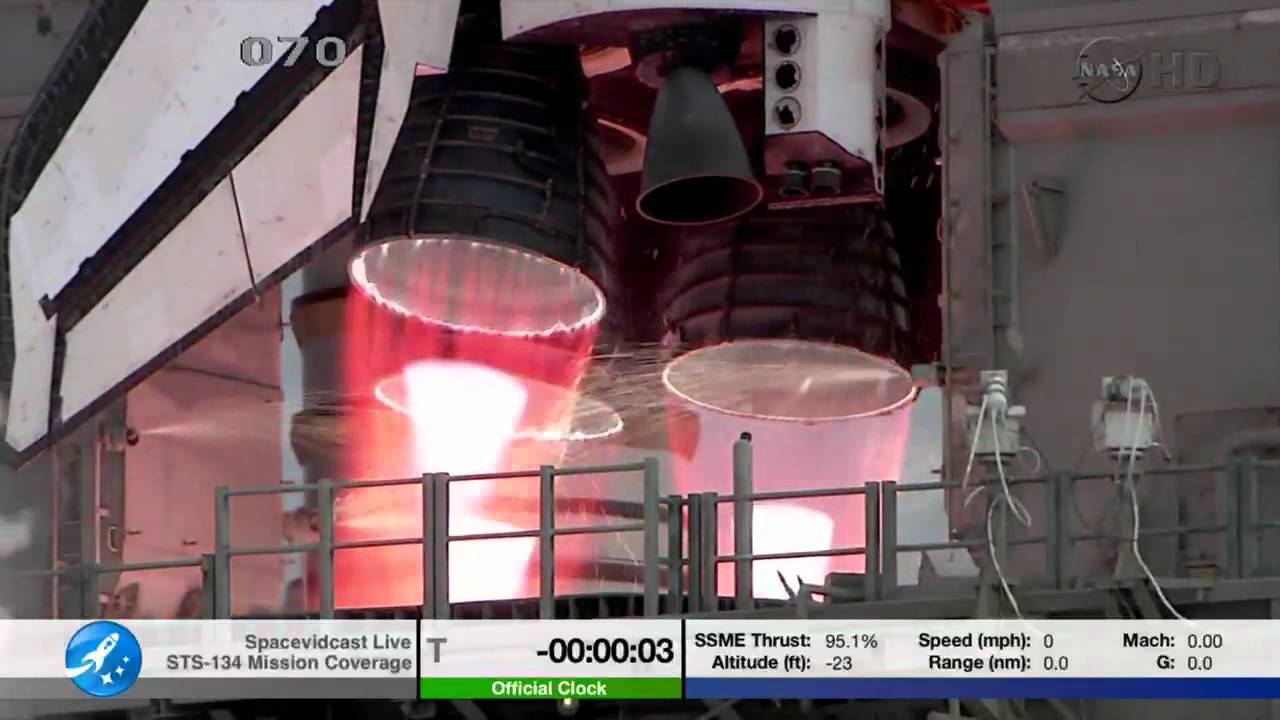
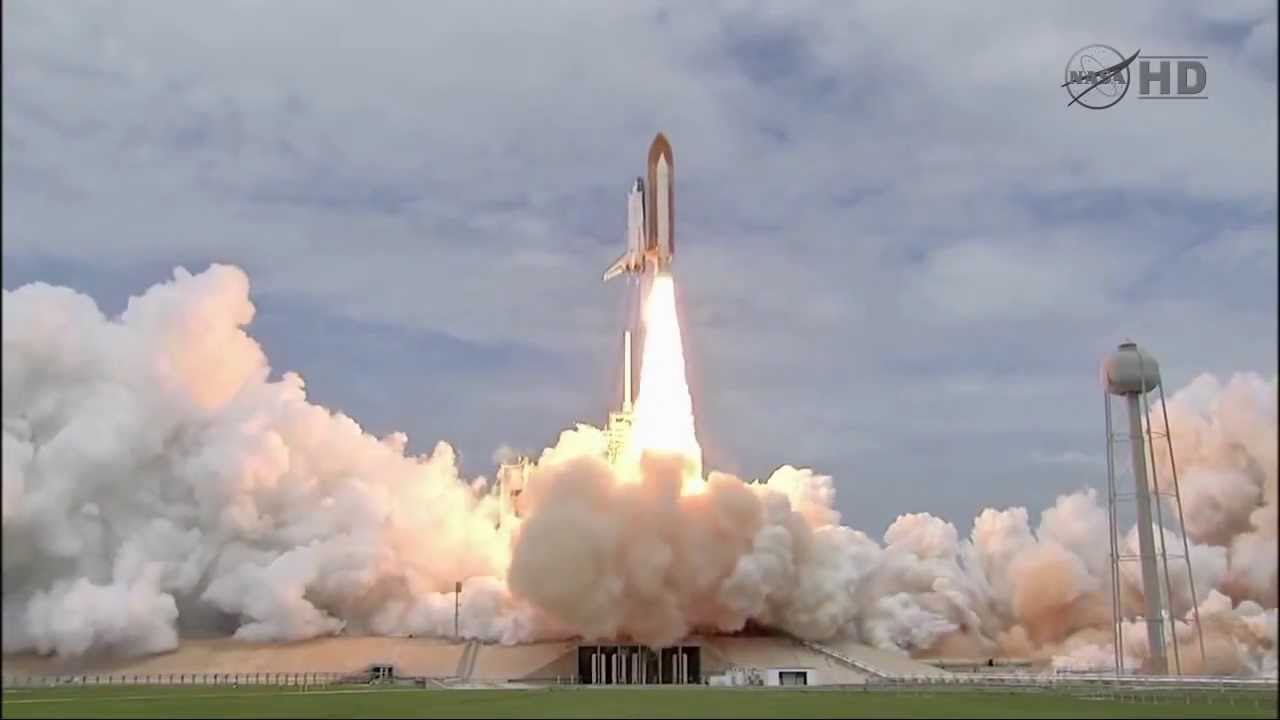
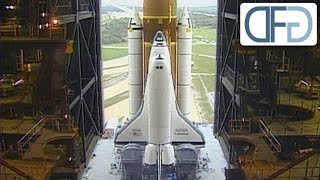
The Space Shuttle is a retired, partially reusable low Earth orbital spacecraft system operated from 1981 to 2011 by the U.S. National Aeronautics and Space Administration (NASA) as part of the Space Shuttle program. Its official program name was Space Transportation System (STS). Five complete Space Shuttle orbiter vehicles were built and flown on a total of 135 missions from 1981 to 2011.
📡 Livestreams & webcasts


🚀 About the rocket: Space Shuttle






📰 News
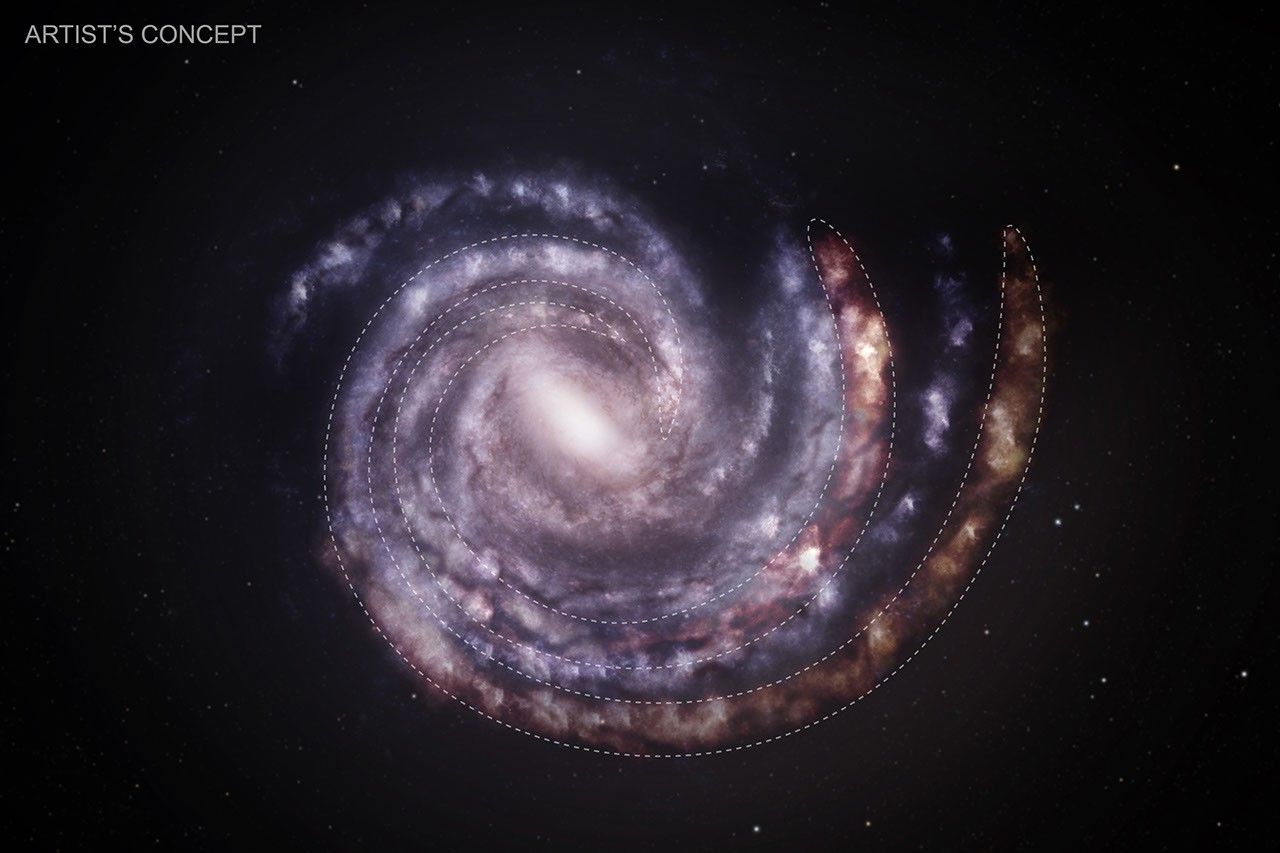
A new result using NASA’s Chandra X-ray Observatory shows that the outer spiral arms in the Milky Way galaxy may reach wider than previously thought. This finding may lead astronomers to adjust their understanding of our home galaxy’s structure. A team of astronomers made this discovery by making precise measurements of distances to dust clouds […]
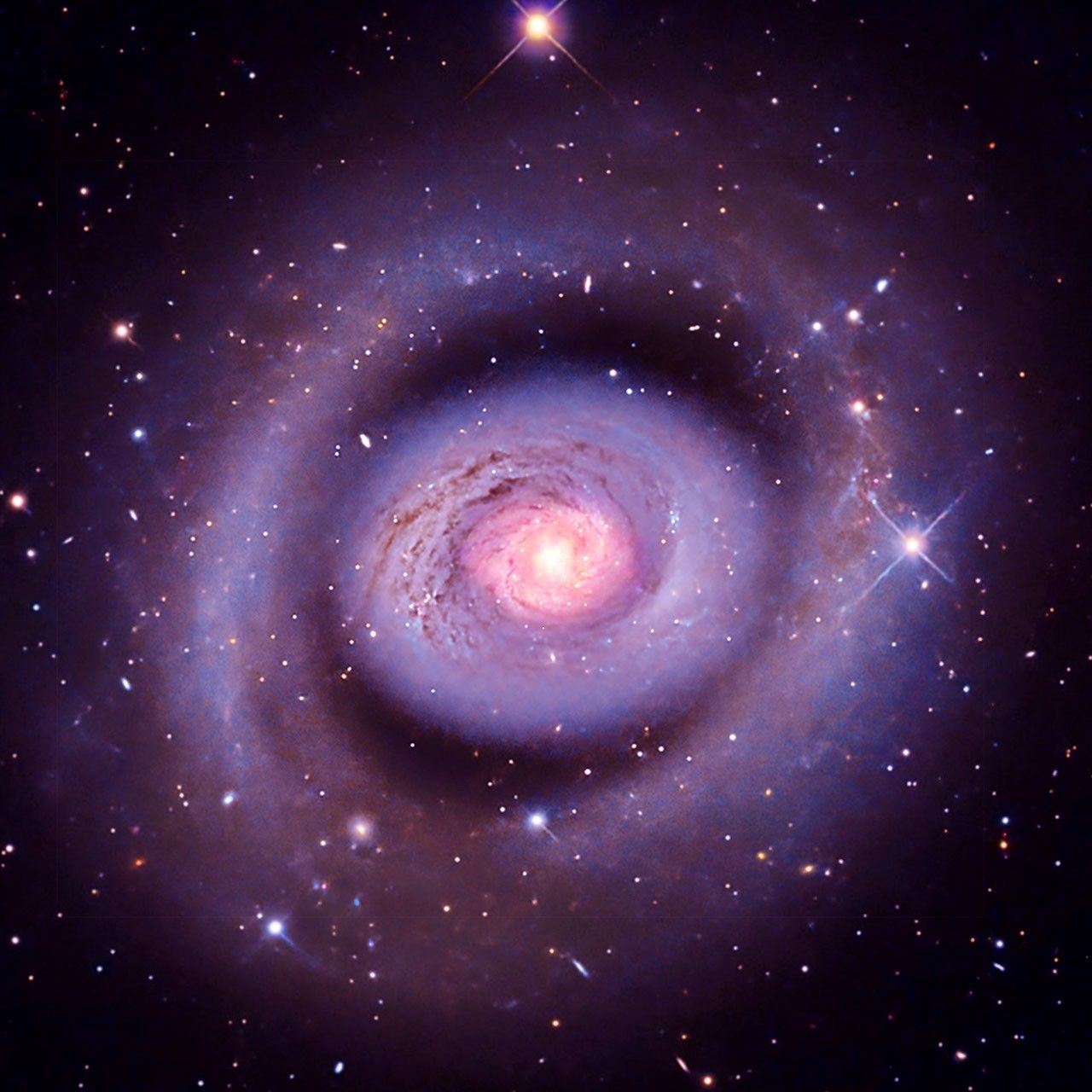
In celebration of the 250th birthday of the United States, NASA has unveiled four cosmic images from its Chandra X-ray Observatory rendered in red, white, and blue that represent the wonders of the universe the agency explores. The images are accompanied by a trio of new sonifications – a technique that translates astronomical data into […]
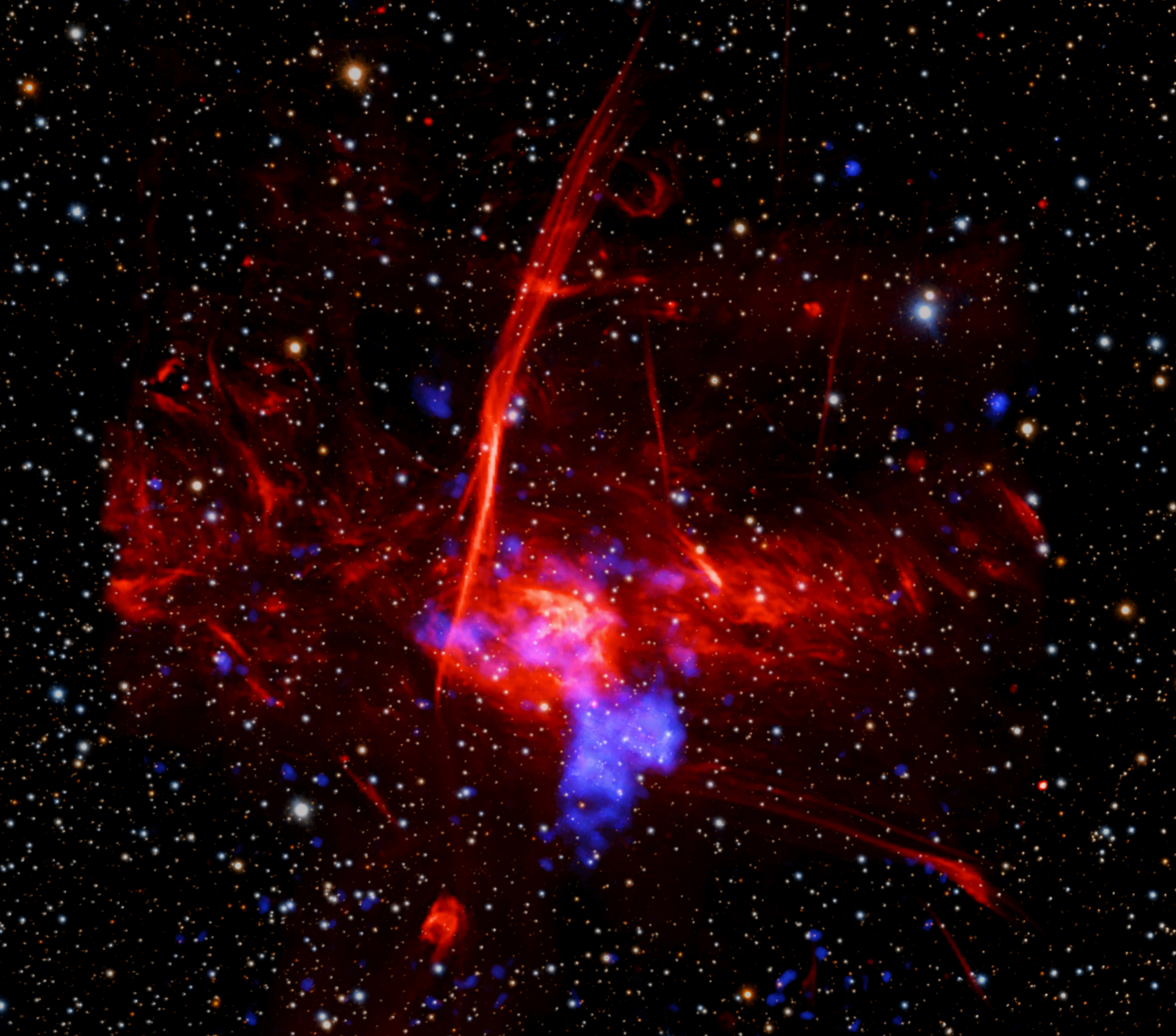
Using data from NASA’s Chandra X-ray Observatory, astronomers may have found a supernova remnant – seen in this June 11, 2026, image – in an intriguing neighborhood in the middle of the Milky Way galaxy. Supernova remnants are the expanding remains of exploded stars and provide elements like iron, oxygen, and silicon that are critical […]
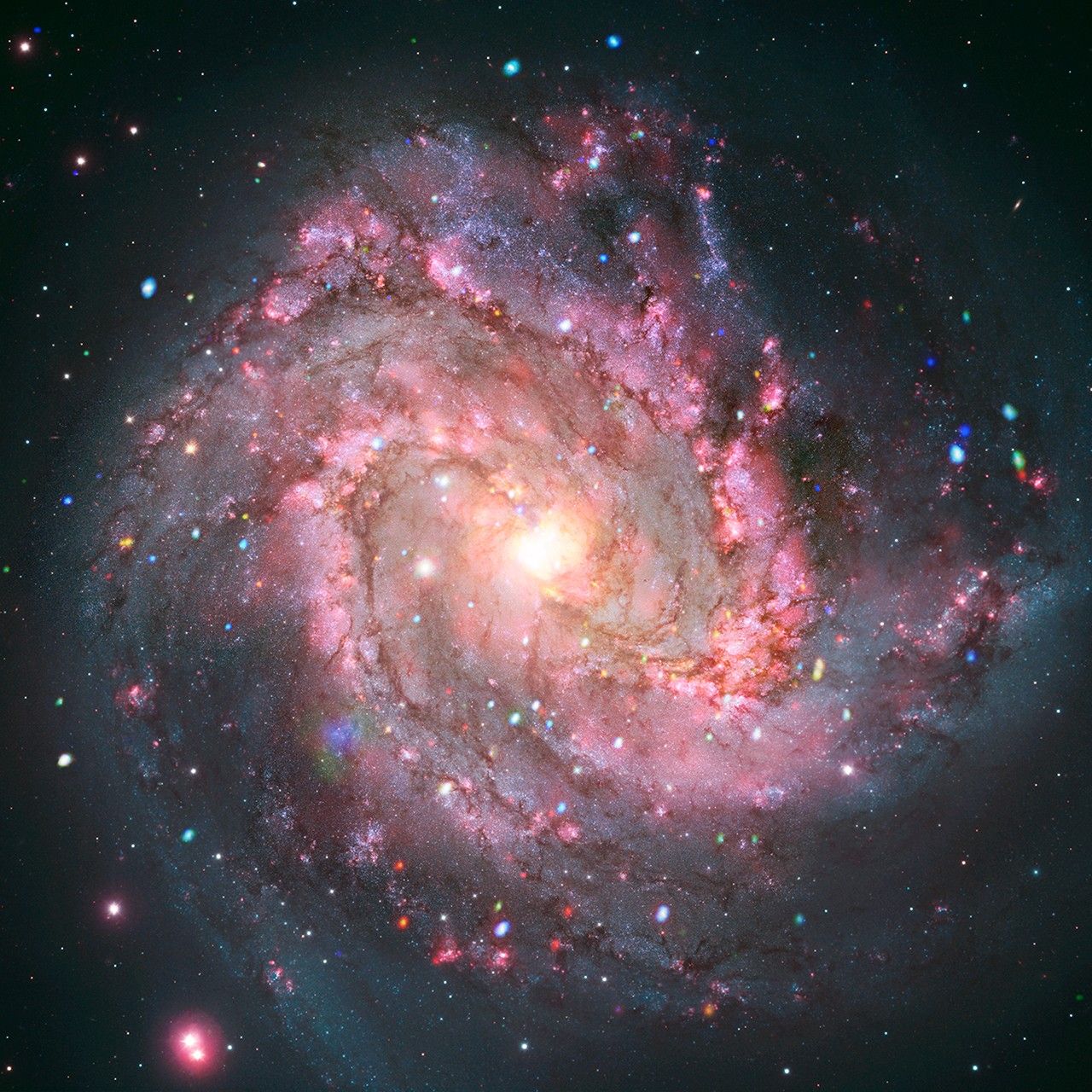
The aftermath of a supernova, a stellar explosion, is usually a slowly fading cloud of hot gas. So when astronomers pointed NASA’s Chandra X-ray Observatory at the nearby galaxy Messier 83 (M83), they did not expect to find a population of supernova remnants, or the debris from these explosions, showing dramatic changes in their brightness. […]
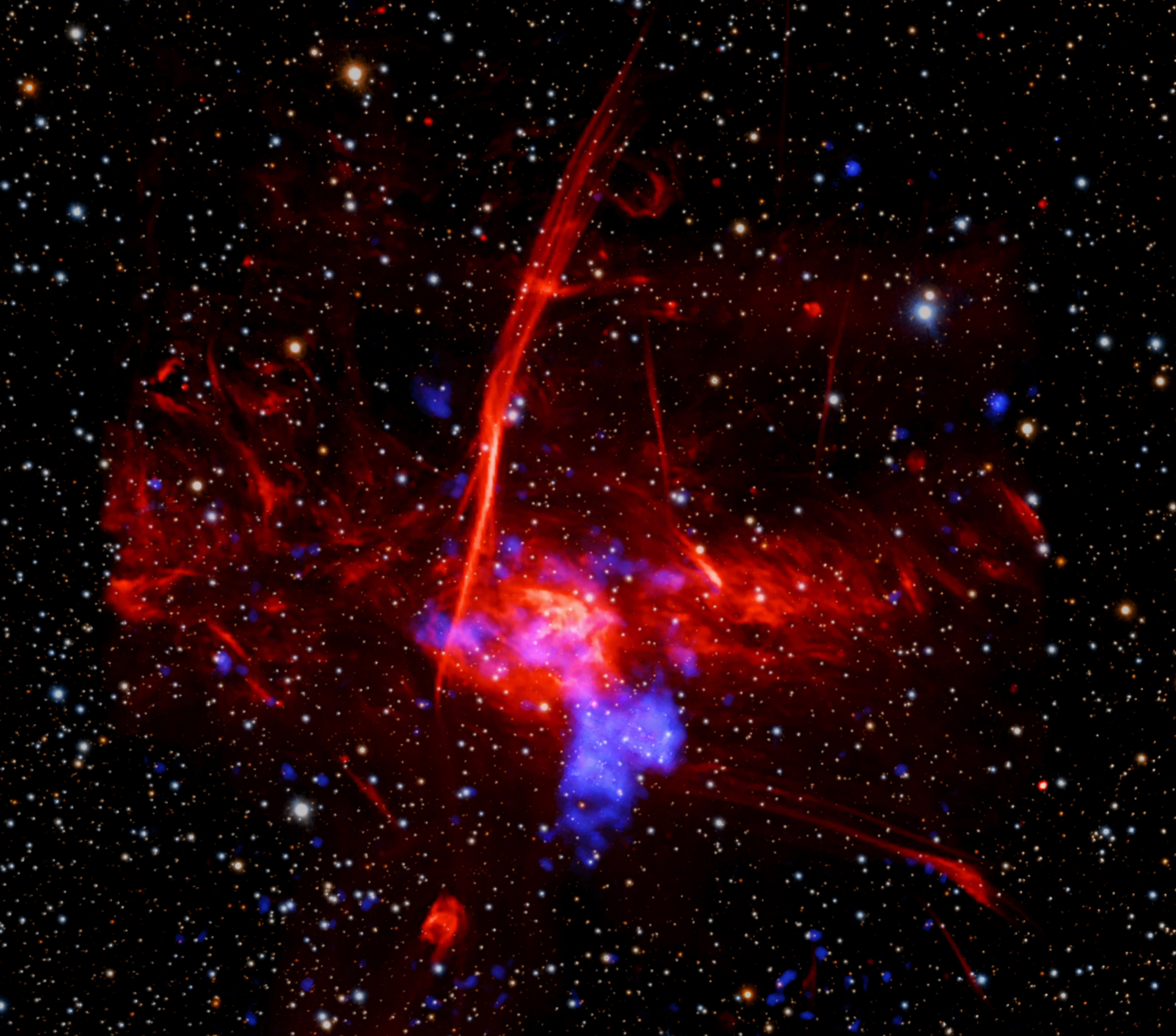
Using data from NASA’s Chandra X-ray Observatory, astronomers may have found a supernova remnant in an intriguing neighborhood in the middle of our galaxy. A paper describing these new findings published in The Astrophysical Journal. Supernova remnants are the expanding remains of exploded stars and provide elements – like iron, oxygen, and silicon – that […]
Der erfolgreiche Start markiert einen Meilenstein in der Raumfahrt Europas, auch wenn es bis zum zweiten Start der Spectrum wesentlich länger dauerte, als es ursprünglich anvisiert war. Mit diesem Start konnte nicht nur das Ziel höher und weiter bewältigt werden, als erstes der neu angetretenen privaten Raumfahrtunternehmen Europas hat Isar Aerospace mit ihrer eigenen Trägerrakete […] Der Beitrag
Isar Aerospace hat den 2. Testflug der „Spectrum“-Rakete für heute Abend angekündigt. Um (frühestens) 22:00 Uhr MESZ soll die Rakete vom norwegischen Weltraumbahnhof „Andøya“ abheben, vorbehaltlich dem Wetter, der Sicherheit und der Reichweite. An Bord sind 6 Nutzlasten: 5 CubeSats und 1 Experiment für das „Boost!“-Programm der ESA, das nicht von der Oberstufe getrennt wird. […] Der Beitrag 5. 9.
Am 1. September Abend feierten die Europäische Weltraumorganisation (ESA) und ispace-Europe im Rahmen einer Unterzeichnungszeremonie bei der Veranstaltung „Space for Inspiration“ in Kopenhagen, Dänemark, den Startschuss für MAGPIE, den ersten europäischen Rover auf dem Mond.Eine Pressemitteilung der Europäischen Weltraumagentur ESA. Quelle: ESA / Science & Exploration / Human and Robotic Explorati
Die chinesische Firma Galactic Energy konnte ihren Träger Pallas-1 bei ihrem ersten Flug heute um 4 Uhr von der „Dongfeng commercial space innovation pilot zone“ erfolgreich starten. Der Junfernflug erfolgte ohne Nutzlast, bis zu 5 Tonnen sollen in einen LEO transportiert werden können. Die erste Stufe des RP-1/LOX betriebenen zweistufigen Trägers soll in Zukunft mithilfe […] Der Beitrag 1. 9. 202
Das Nancy-Grace-Roman-Weltraumteleskop befindet sich nun auf einer dreimonatigen Reise über eineinhalb Millionen Kilometer zu seiner endgültigen Umlaufbahn und wird bald die dunkelsten Geheimnisse des Universums enthüllen. Die Mission startete am Sonntag um 13:26 Uhr MESZ an Bord einer SpaceX-Falcon-Heavy-Rakete vom Startkomplex 39A im Kennedy Space Center der NASA in Florida.Eine Pressemitteilung
Das Nancy Grace Roman Space Teleskop der NASA ist bereit zum Start. Der Launch Rediness wurde mit „Go for Launch“ abgeschlossen. Inzwischen steht die Falcon Heavy von SpaceX mit dem Teleskop auf der Startrampe am Startplatz 39A. Der Start ist für morgen (30.08.2026) um 13:25 Uhr MESZ geplant. Der Beitrag 29. 8. 2026 – Nancy Grace Roman Space Teleskop bereit zum Start erschien zuerst auf Raumfahrer
SpaceX soll rund 500 km² Land auf „Pecan Island“ übernehmen, einem Landstrich an der Golfküste von Süd-Louisiana. Das auf 100 Milliarden Dollar bezifferte Projekt würde Louisiana zu einem der wichtigsten Standorte der US-amerikanischen Raumfahrt machen. Der Standort befindet sich zwischen den bestehenden SpaceX-Standorten in Texas und Florida und soll Kapazitäten für einen stark wachsenden Starshi