🔭 Space telescope
Chandra X-ray Observatory
NASA's X-ray eye: since 1999, Chandra has observed the hottest, most energetic regions of the universe — black holes, supernova remnants and galaxy clusters. Launched aboard Space Shuttle Columbia.
Live orbital data
Orbital data from CelesTrak (NORAD 25867), as of Sep 16, 2026, 19:05
🎬 Recent videos








📰 News

Two galaxies merge at a furious rate in this Aug. 25, 2026, image of the II Zw 096 system. This and several other images of both visually and scientifically interesting galaxies were released by NASA’s Chandra X-ray Observatory and other telescopes. Chandra X-ray data (magenta) pinpoint powerful black hole activity and hot gas, while optical […]
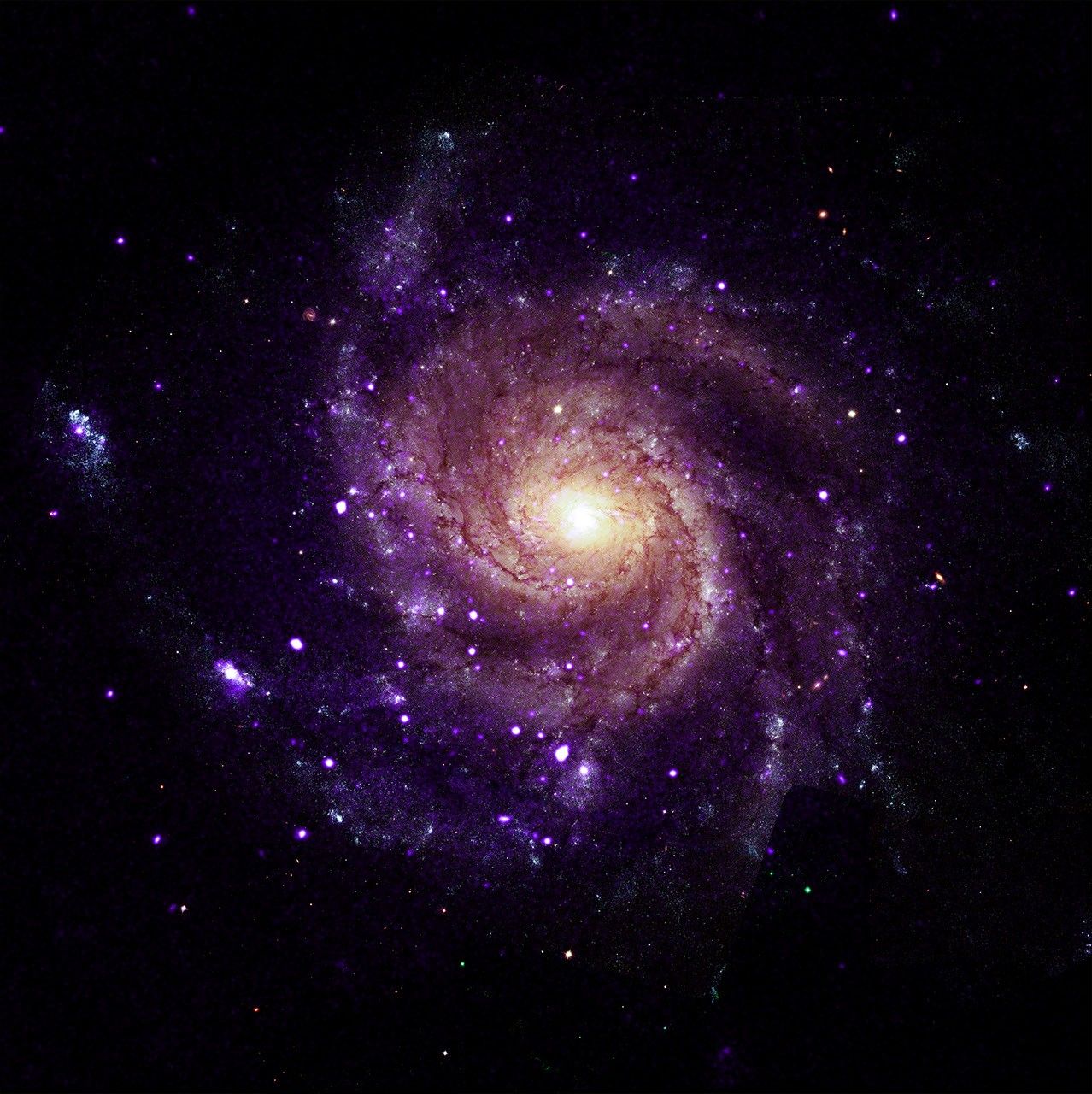
Using NASA’s Chandra X-ray Observatory, scientists have discovered a new class of objects behaving unlike any they have seen before. Astronomers suggest these newly spotted objects in other galaxies may help solve not one, but two long-standing questions in astrophysics. These mysterious objects give off unusually low-energy X-rays but intense levels of ultraviolet radiation. This […]
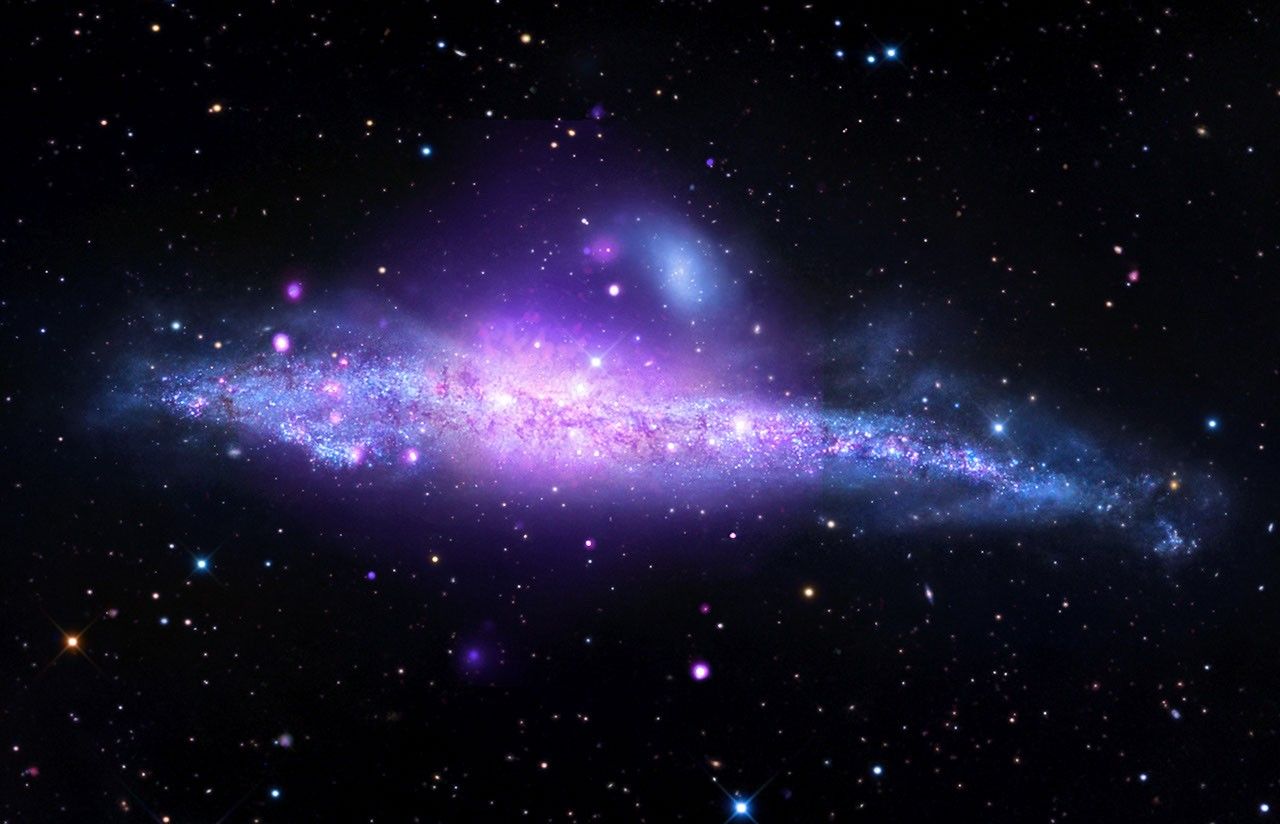
Galaxies are like cosmic gems, each with characteristics including size and shape that make them distinct. A new gallery released today from NASA’s Chandra X-ray Observatory and other telescopes displays a collection of galactic images that showcase this variety. Astronomers put galaxies into three main categories: spirals like our own Milky Way with arms emanating […]
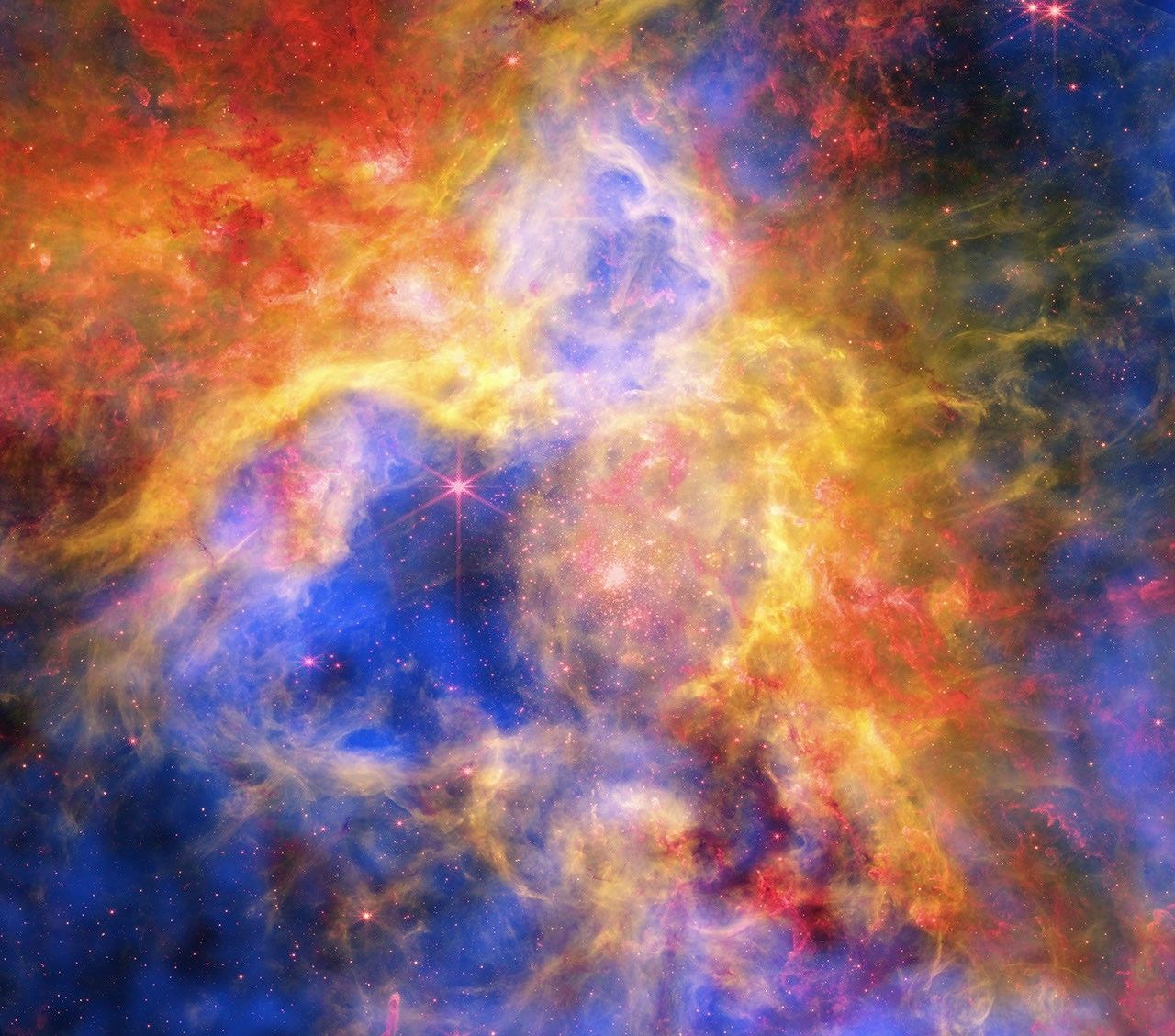
Data from NASA’s Chandra X-ray Observatory, NASA’s James Webb Space Telescope, and NASA’s Hubble Space Telescope combine to reveal a vibrant view of 30 Doradus, or the Tarantula Nebula, in this Aug. 11, 2026, image. Located in the Large Magellanic Cloud, a small neighbor galaxy to the Milky Way about 160,000 light-years from Earth, the […]
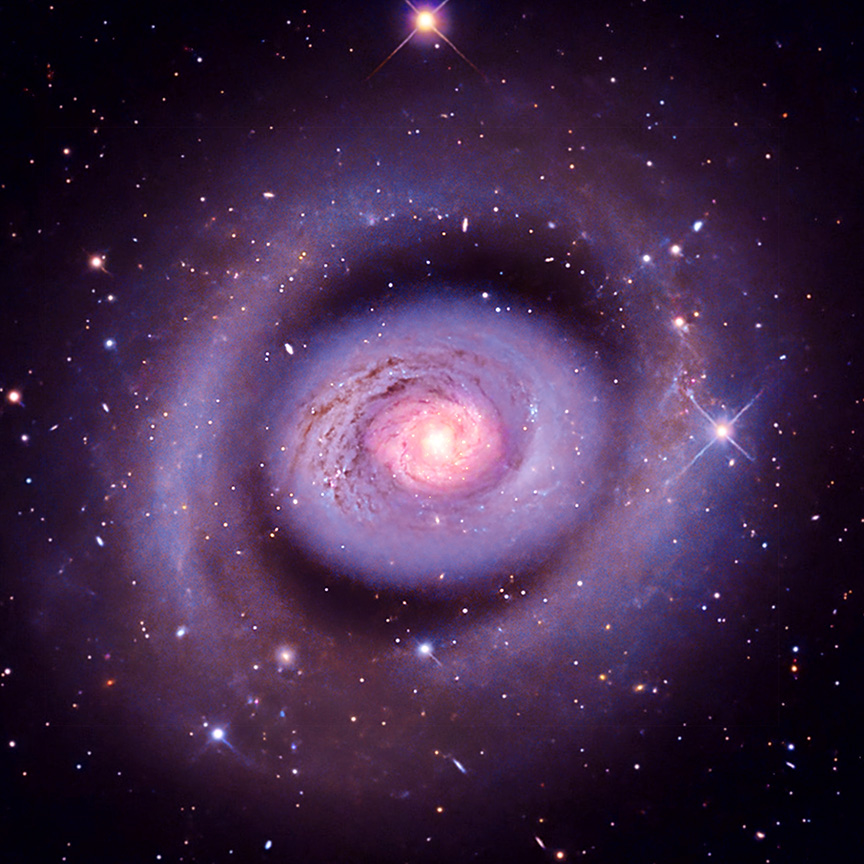
NASA’s Chandra X-ray Observatory unveiled this new look at the galaxy NGC 4736, also known as Messier 94, on June 30, 2026. Messier 94 is a spiral galaxy with a bright inner ring around it, called a starburst ring, where new stars are forming, perhaps fueled by gas driven in the unique oval-shaped structure seen […]
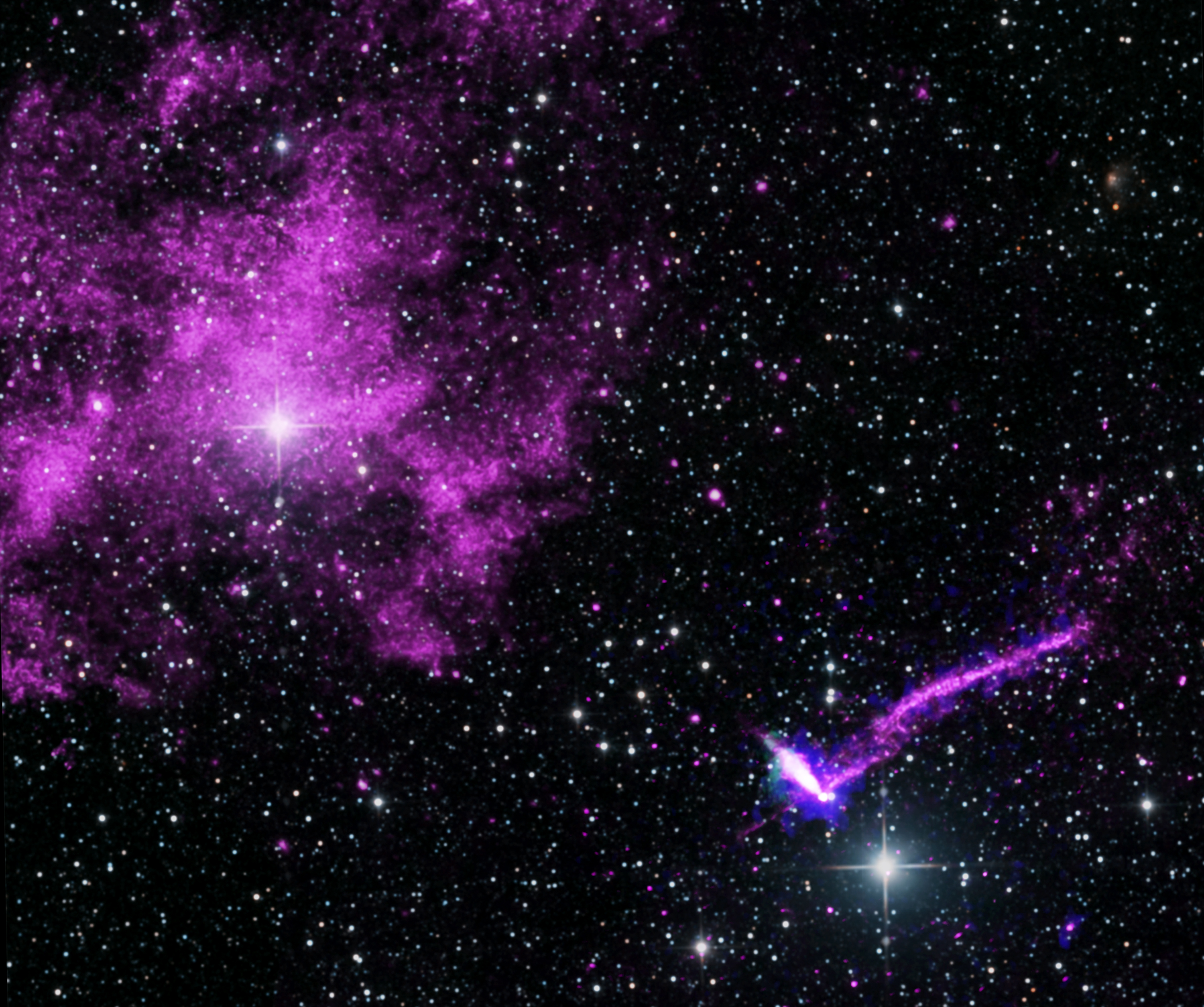
This composite image, released on July 9, 2026, shows the region around a pulsar – a neutron star with a strong magnetic field that spins incredibly fast – within the Lighthouse nebula. The image contains X-ray data from NASA’s Chandra X-ray Observatory in purple, X-rays from NASA’s IXPE (Imaging X-ray Polarimetry Explorer) in blue, and […]
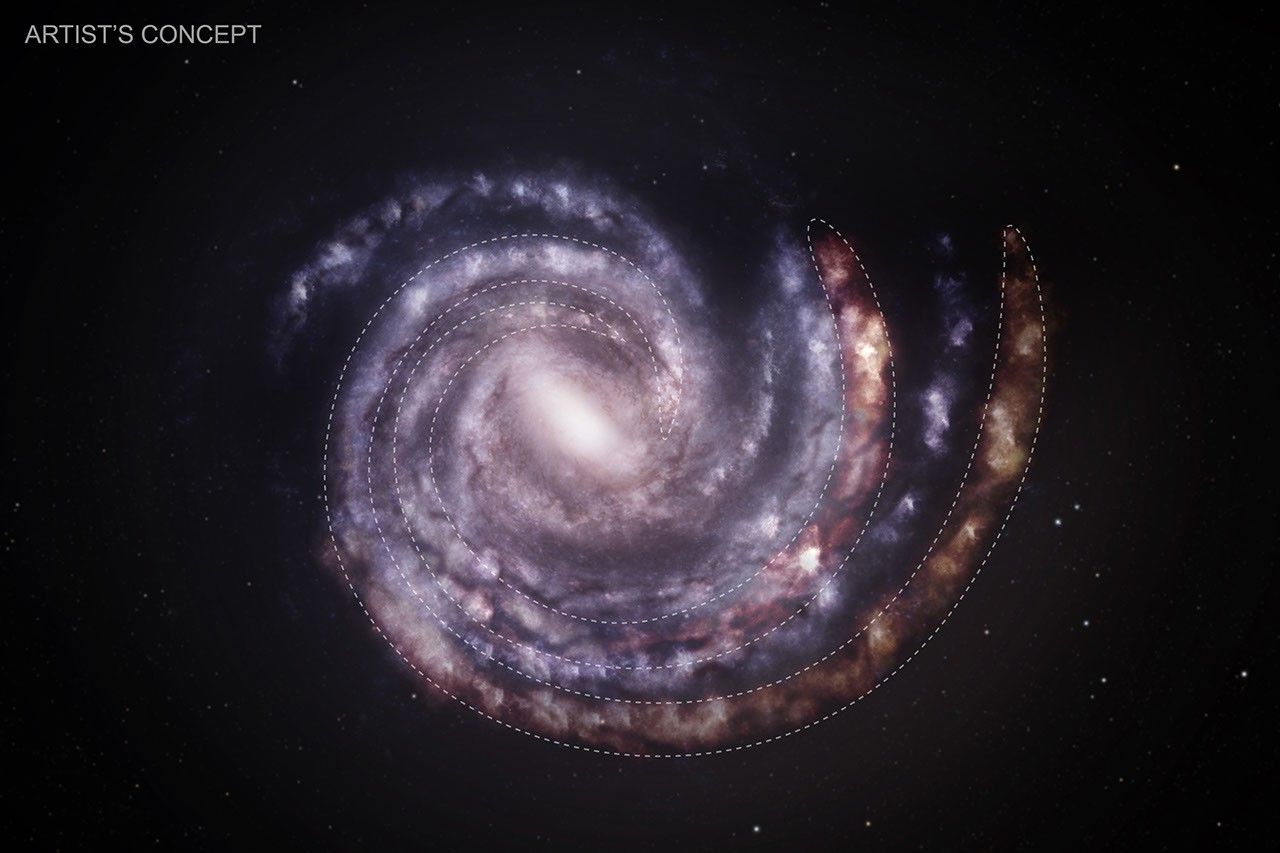
A new result using NASA’s Chandra X-ray Observatory shows that the outer spiral arms in the Milky Way galaxy may reach wider than previously thought. This finding may lead astronomers to adjust their understanding of our home galaxy’s structure. A team of astronomers made this discovery by making precise measurements of distances to dust clouds […]
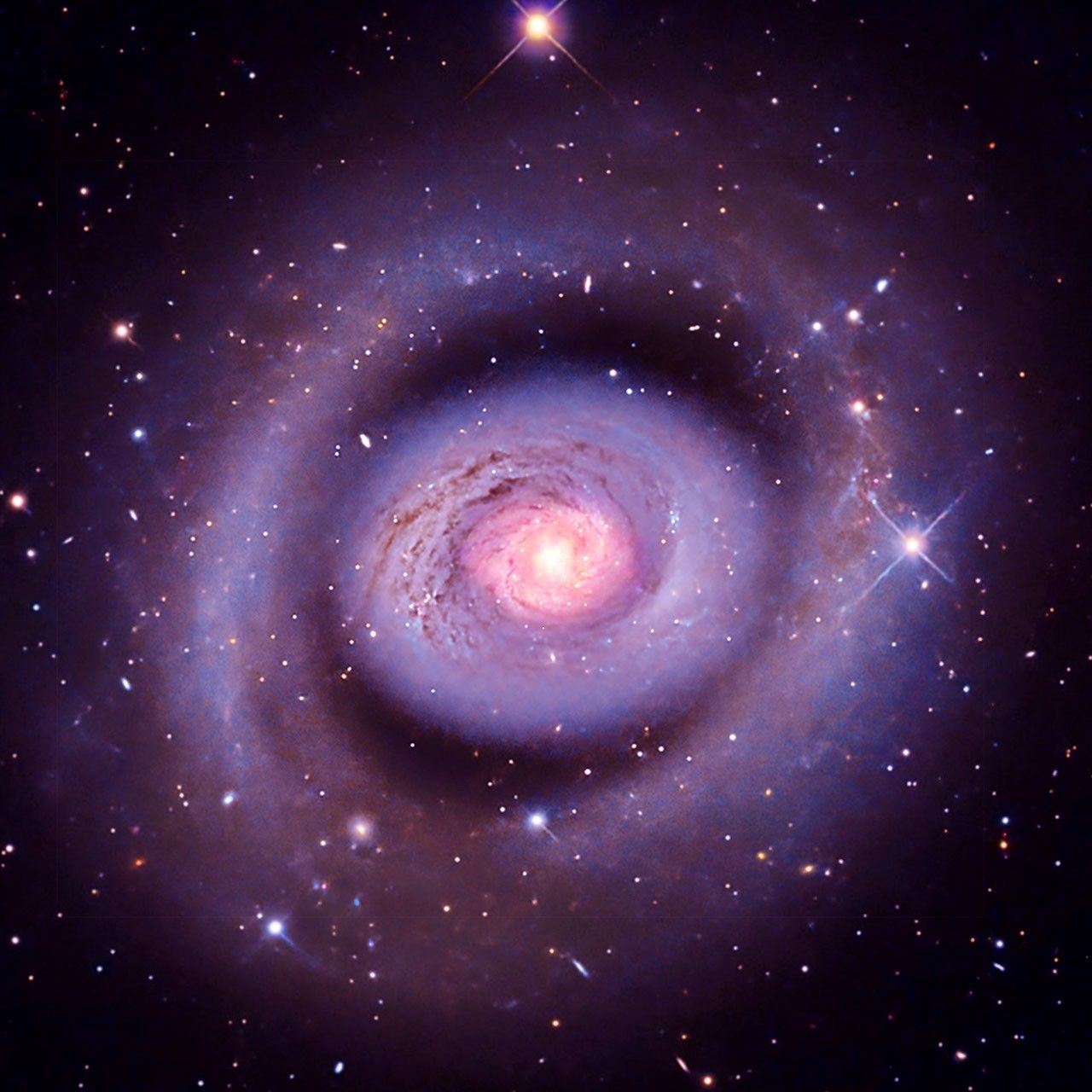
In celebration of the 250th birthday of the United States, NASA has unveiled four cosmic images from its Chandra X-ray Observatory rendered in red, white, and blue that represent the wonders of the universe the agency explores. The images are accompanied by a trio of new sonifications – a technique that translates astronomical data into […]
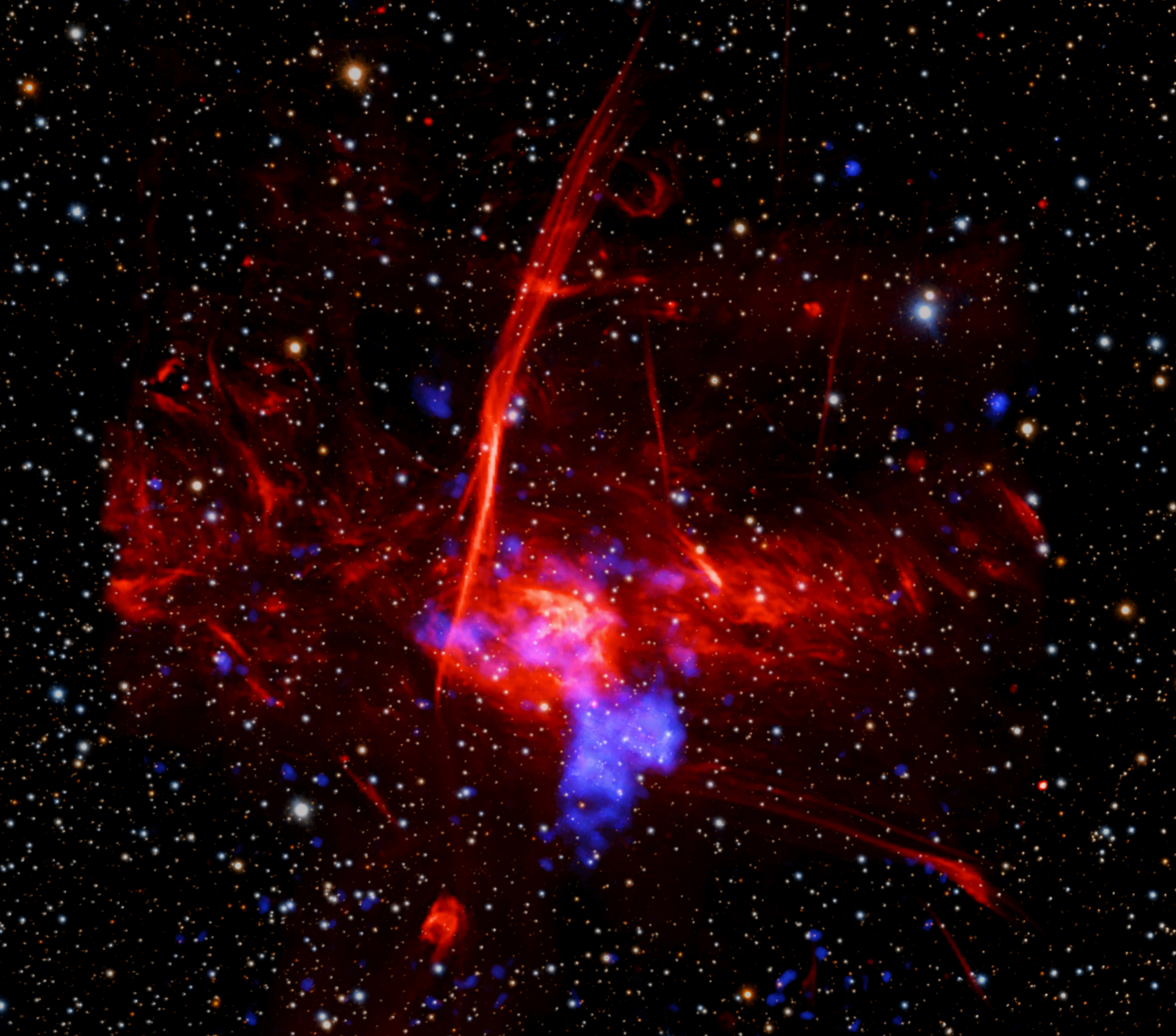
Using data from NASA’s Chandra X-ray Observatory, astronomers may have found a supernova remnant – seen in this June 11, 2026, image – in an intriguing neighborhood in the middle of the Milky Way galaxy. Supernova remnants are the expanding remains of exploded stars and provide elements like iron, oxygen, and silicon that are critical […]
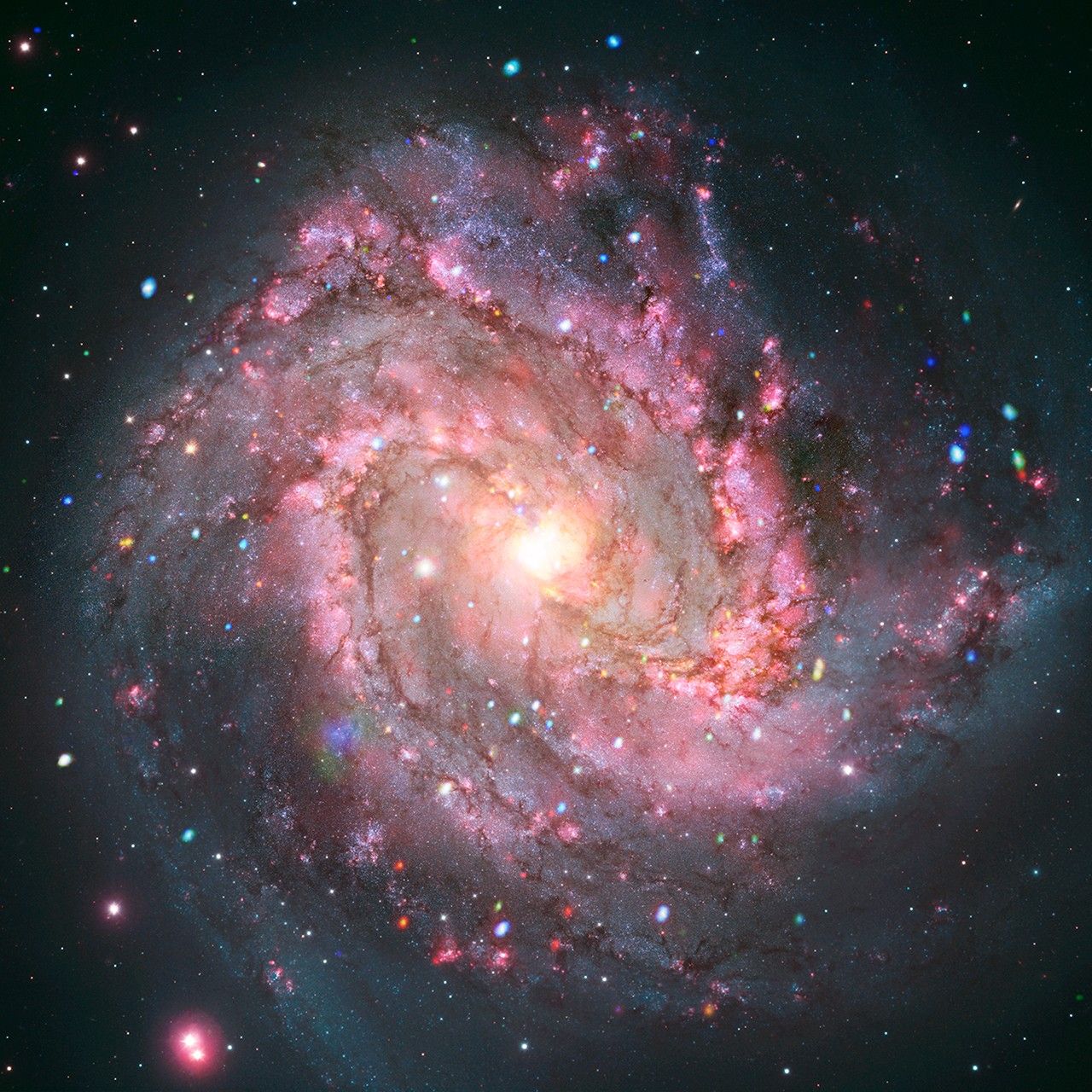
The aftermath of a supernova, a stellar explosion, is usually a slowly fading cloud of hot gas. So when astronomers pointed NASA’s Chandra X-ray Observatory at the nearby galaxy Messier 83 (M83), they did not expect to find a population of supernova remnants, or the debris from these explosions, showing dramatic changes in their brightness. […]
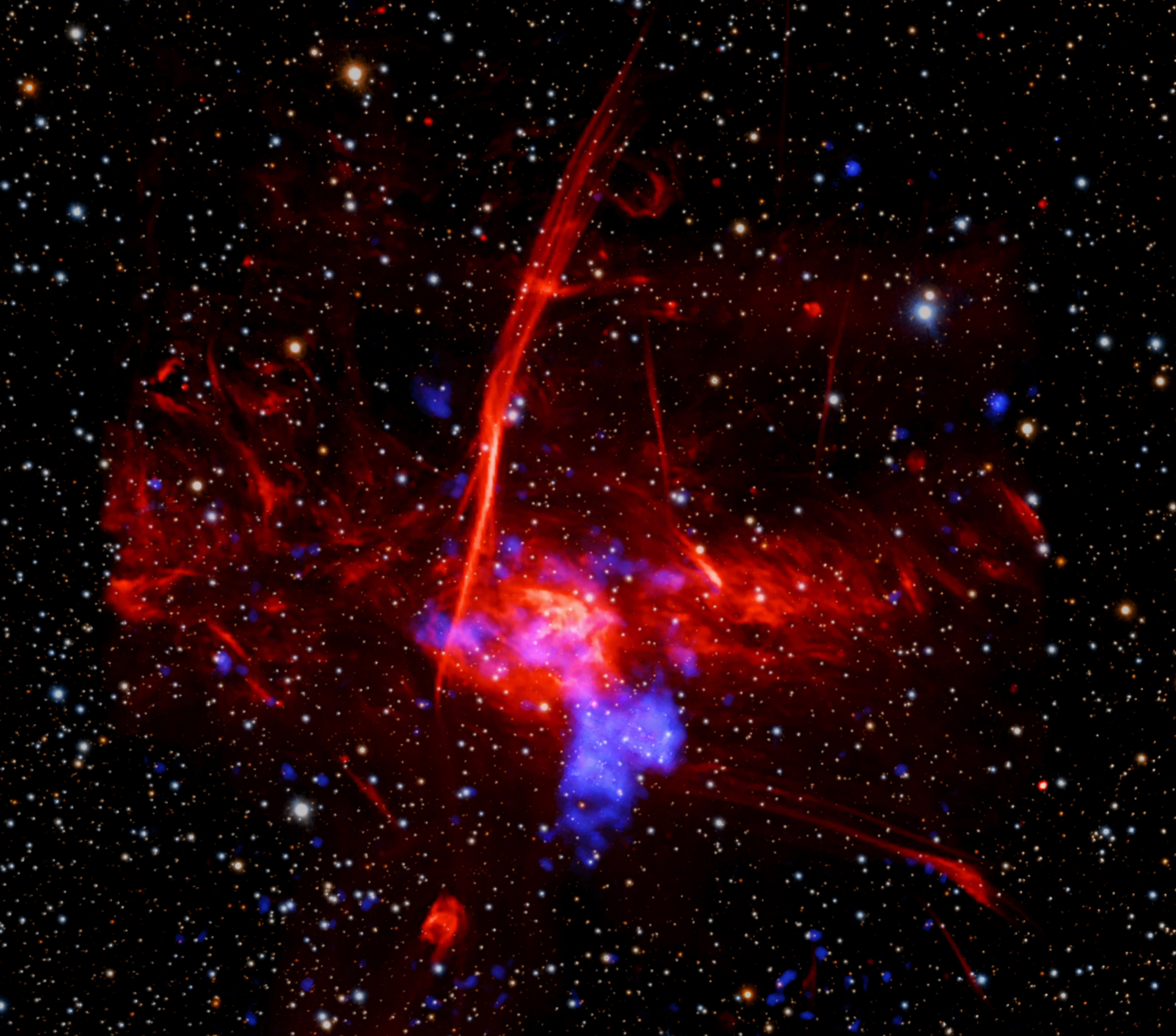
Using data from NASA’s Chandra X-ray Observatory, astronomers may have found a supernova remnant in an intriguing neighborhood in the middle of our galaxy. A paper describing these new findings published in The Astrophysical Journal. Supernova remnants are the expanding remains of exploded stars and provide elements – like iron, oxygen, and silicon – that […]