SLS Block 1
TBDArtemis III · National Aeronautics and Space Administration
Current date is a placeholder or rough estimation based on unreliable or interpreted sources.
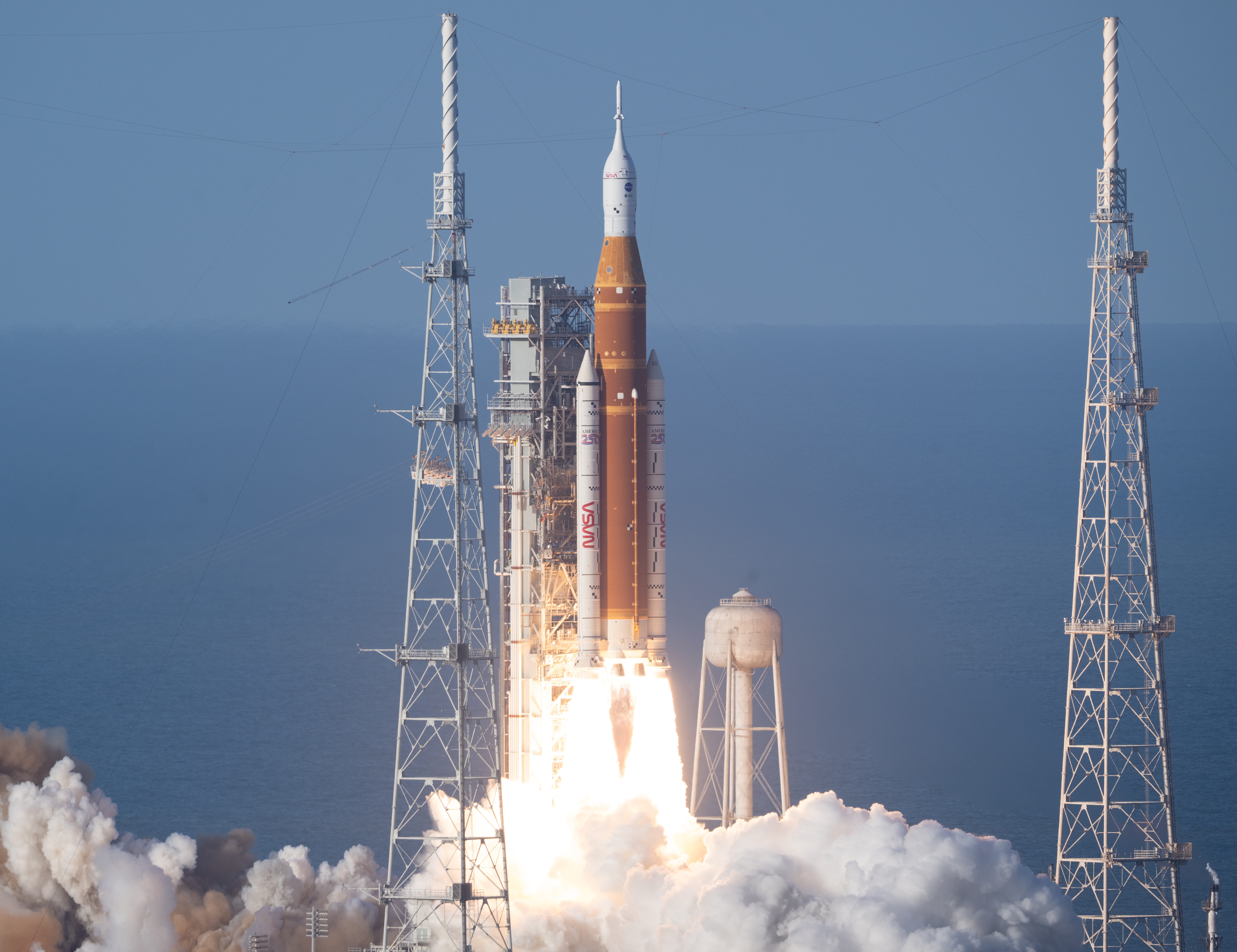
Artemis III is the second crew mission as part of the Artemis program. Artemis III will send a crew of 4 on a Low Earth Orbit mission, with the Orion rendezvous and dock with one or both commercial lunar landers in development by SpaceX and Blue Origin, performing in-space tests of the docked vehicles, integrated checkout of life support, communications, and propulsion systems, as well as tests of the new Extravehicular Activity (xEVA) suits.
Go to payload page →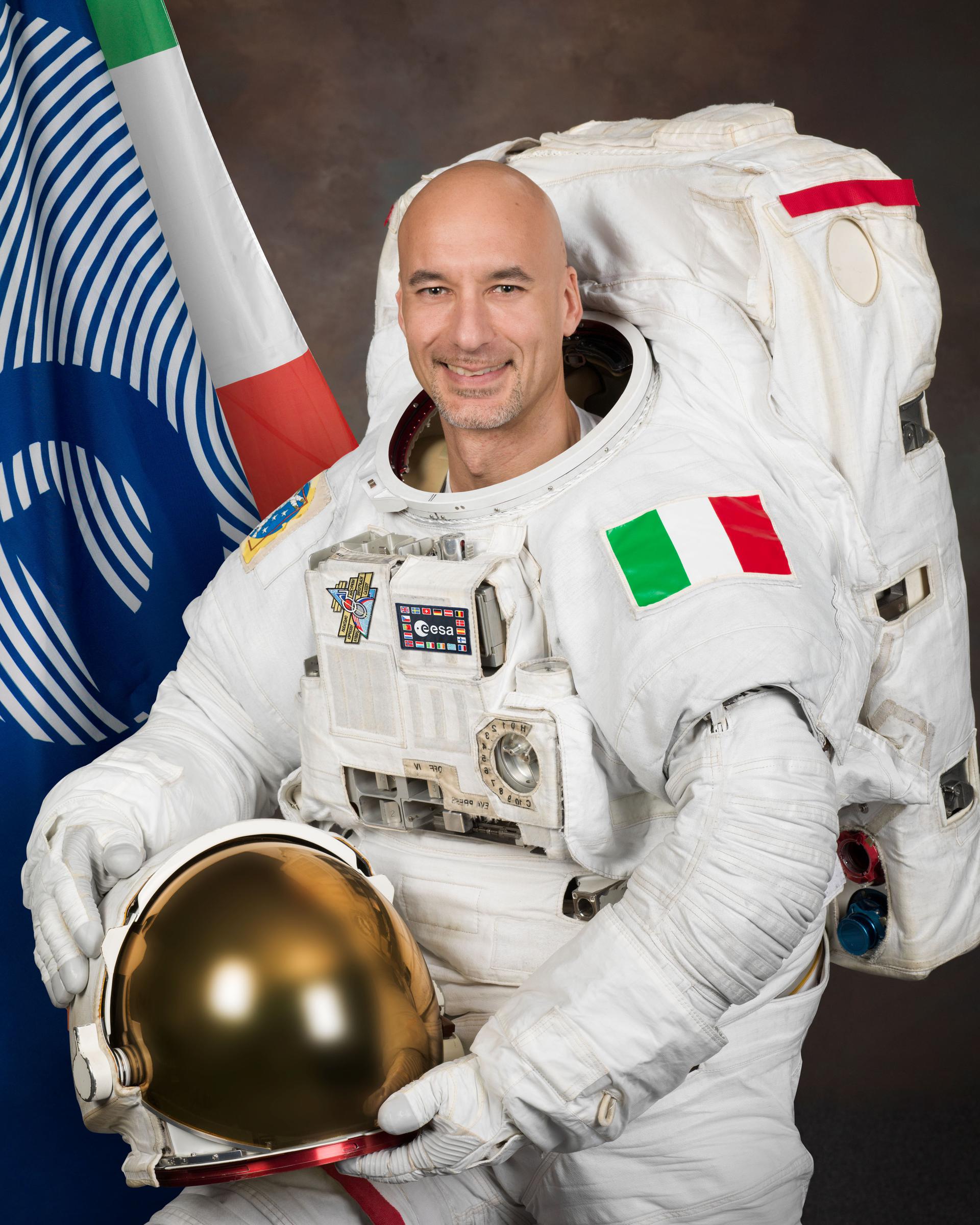
🎬 Recent videos
No recent videos found — this row stays empty until something new appears.
📰 News
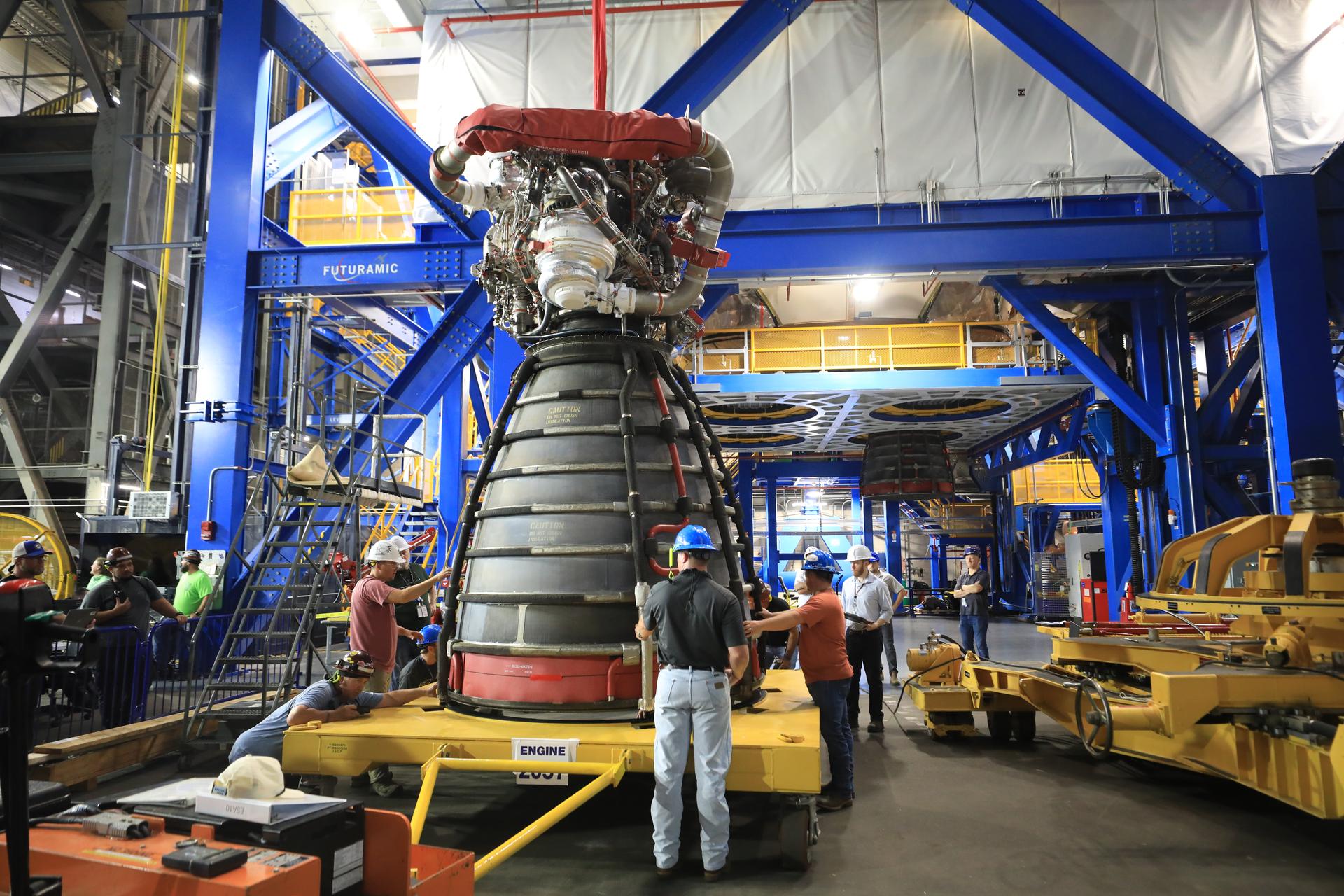
On Aug. 24, technicians at NASA’s Kennedy Space Center in Florida began installing the four RS‑25 engines in the core stage of the agency’s Space Launch System (SLS) rocket that will carry the Artemis III crew into low Earth orbit in 2027. Each RS‑25 engine has a unique serial number that records its detailed flight […]

As Artemis III kicks off, NASA continues working to streamline SLS production.

NASA has provided more details about the revised approaches that Blue Origin and SpaceX are taking to accelerate work on Artemis lunar landers. The post Revised Artemis lunar lander plans take shape appeared first on SpaceNews.
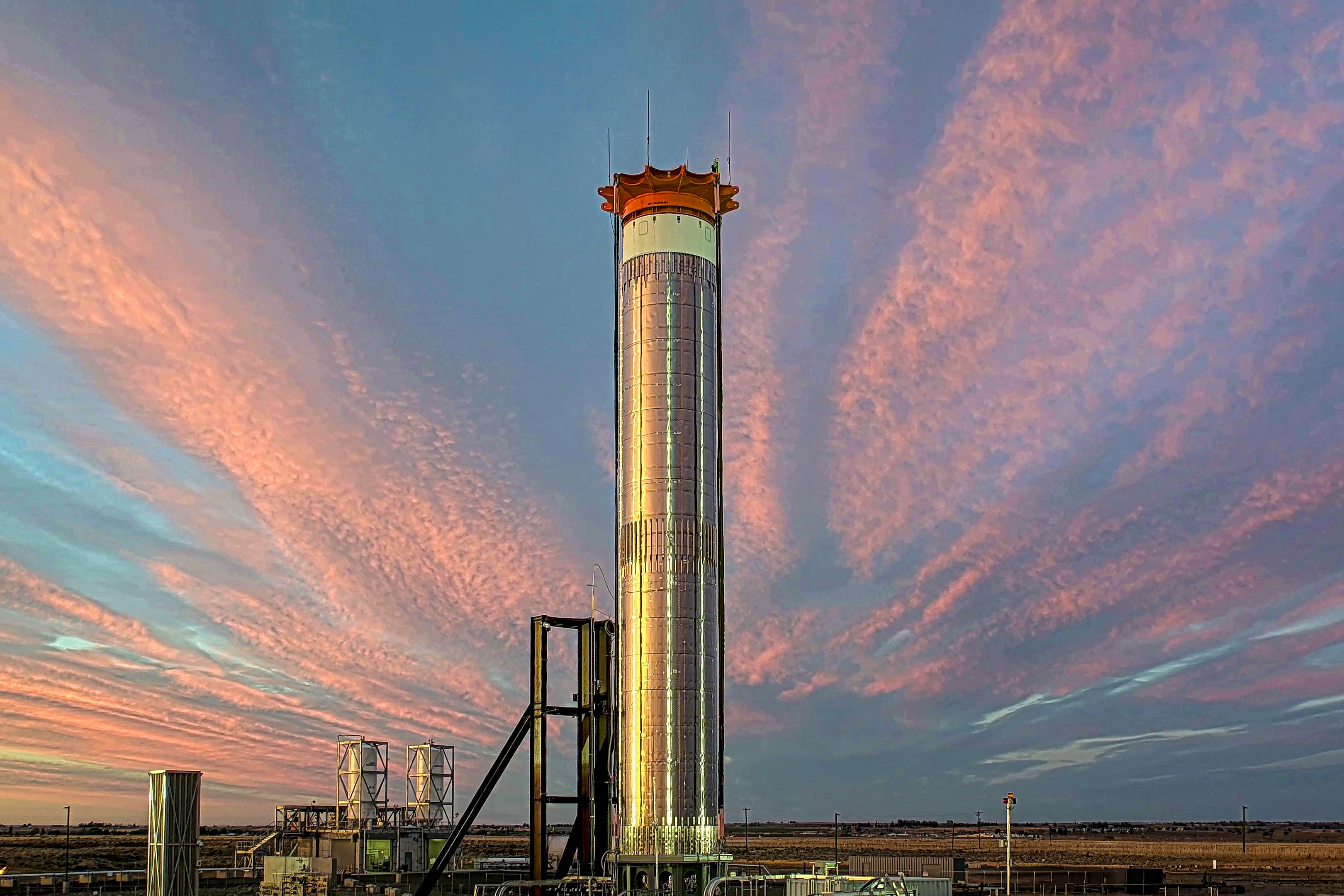
"If I needed to fly on another vehicle, what would that look like?"

The assignment of an ESA astronaut to Artemis 3 is part of negotiations for revised roles in the overall effort, with a goal of getting its astronauts on the moon. The post ESA astronaut assignment on Artemis 3 part of negotiations on revised Artemis roles appeared first on SpaceNews.
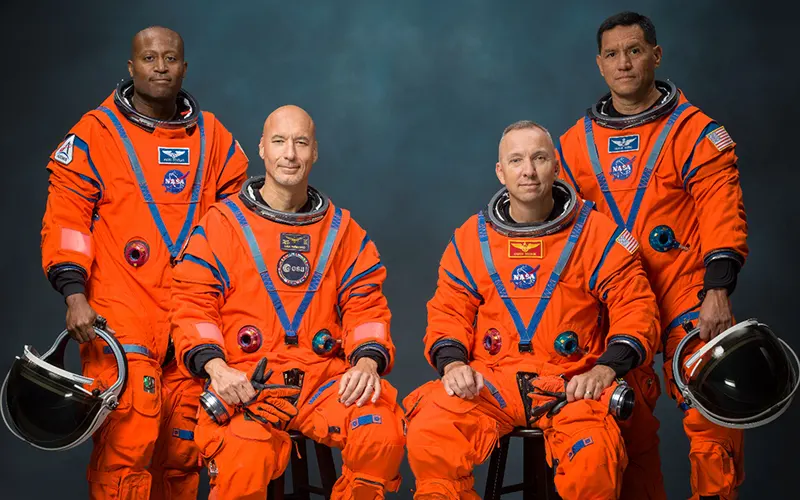
The European Space Agency’s decision to assign Luca Parmitano to its first Artemis crew slot marked a departure from a November 2025 announcement that the opportunity would go to Germany, with the Italian astronaut’s test pilot background proving decisive. In October 2020, ESA and NASA signed an agreement that would provide three flight opportunities for […] The post Italy Skips Crew Allocation Queue Thanks to Astronaut’s Test Pilot Experience appeared first on European Spaceflight.
Der erfolgreiche Start markiert einen Meilenstein in der Raumfahrt Europas, auch wenn es bis zum zweiten Start der Spectrum wesentlich länger dauerte, als es ursprünglich anvisiert war. Mit diesem Start konnte nicht nur das Ziel höher und weiter bewältigt werden, als erstes der neu angetretenen privaten Raumfahrtunternehmen Europas hat Isar Aerospace mit ihrer eigenen Trägerrakete […] Der Beitrag
Isar Aerospace hat den 2. Testflug der „Spectrum“-Rakete für heute Abend angekündigt. Um (frühestens) 22:00 Uhr MESZ soll die Rakete vom norwegischen Weltraumbahnhof „Andøya“ abheben, vorbehaltlich dem Wetter, der Sicherheit und der Reichweite. An Bord sind 6 Nutzlasten: 5 CubeSats und 1 Experiment für das „Boost!“-Programm der ESA, das nicht von der Oberstufe getrennt wird. […] Der Beitrag 5. 9.
Am 1. September Abend feierten die Europäische Weltraumorganisation (ESA) und ispace-Europe im Rahmen einer Unterzeichnungszeremonie bei der Veranstaltung „Space for Inspiration“ in Kopenhagen, Dänemark, den Startschuss für MAGPIE, den ersten europäischen Rover auf dem Mond.Eine Pressemitteilung der Europäischen Weltraumagentur ESA. Quelle: ESA / Science & Exploration / Human and Robotic Explorati
Die chinesische Firma Galactic Energy konnte ihren Träger Pallas-1 bei ihrem ersten Flug heute um 4 Uhr von der „Dongfeng commercial space innovation pilot zone“ erfolgreich starten. Der Junfernflug erfolgte ohne Nutzlast, bis zu 5 Tonnen sollen in einen LEO transportiert werden können. Die erste Stufe des RP-1/LOX betriebenen zweistufigen Trägers soll in Zukunft mithilfe […] Der Beitrag 1. 9. 202
Das Nancy-Grace-Roman-Weltraumteleskop befindet sich nun auf einer dreimonatigen Reise über eineinhalb Millionen Kilometer zu seiner endgültigen Umlaufbahn und wird bald die dunkelsten Geheimnisse des Universums enthüllen. Die Mission startete am Sonntag um 13:26 Uhr MESZ an Bord einer SpaceX-Falcon-Heavy-Rakete vom Startkomplex 39A im Kennedy Space Center der NASA in Florida.Eine Pressemitteilung
Das Nancy Grace Roman Space Teleskop der NASA ist bereit zum Start. Der Launch Rediness wurde mit „Go for Launch“ abgeschlossen. Inzwischen steht die Falcon Heavy von SpaceX mit dem Teleskop auf der Startrampe am Startplatz 39A. Der Start ist für morgen (30.08.2026) um 13:25 Uhr MESZ geplant. Der Beitrag 29. 8. 2026 – Nancy Grace Roman Space Teleskop bereit zum Start erschien zuerst auf Raumfahrer