SLS Block 1
SuccessArtemis II · National Aeronautics and Space Administration
The launch vehicle successfully inserted its payload(s) into the target orbit(s).
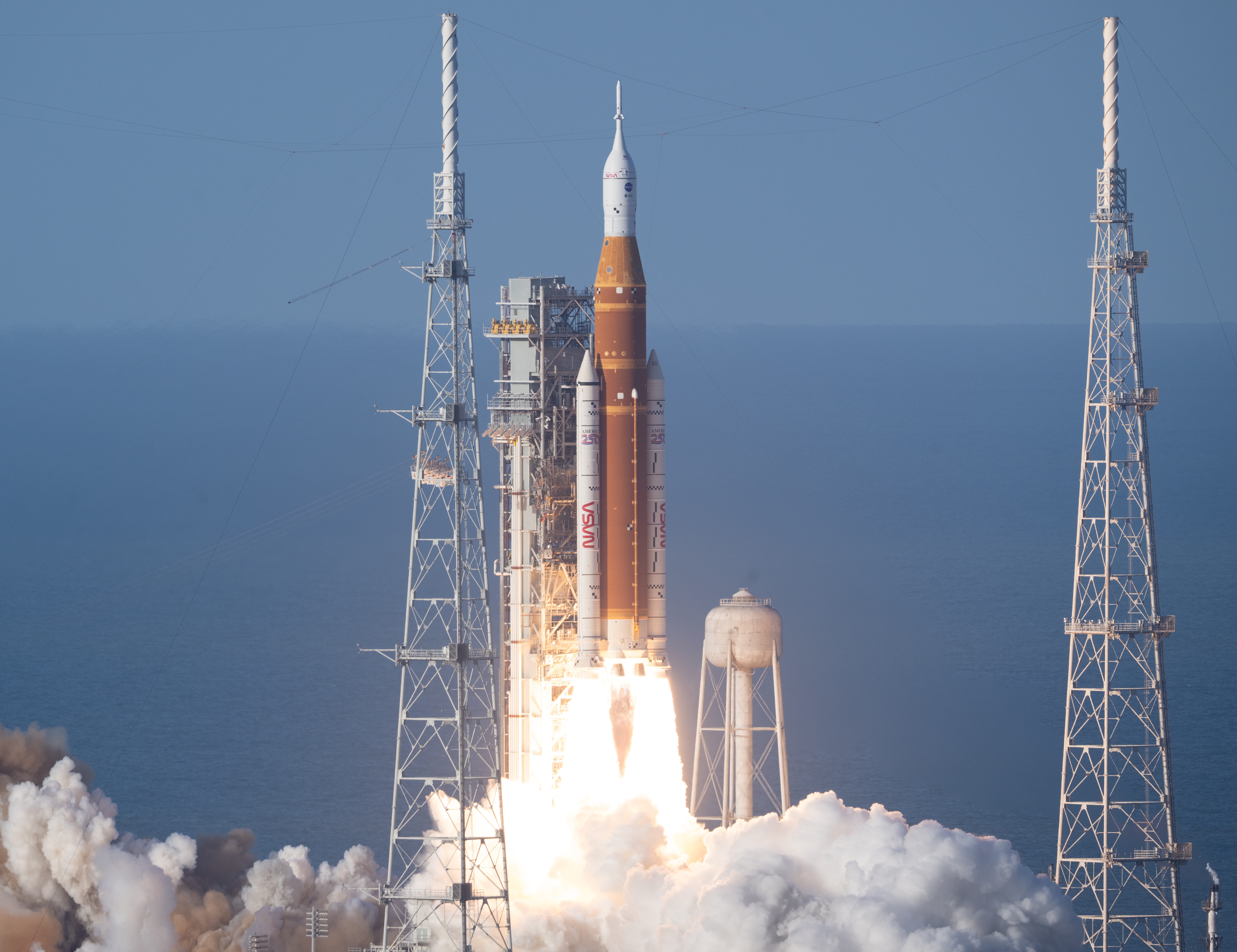
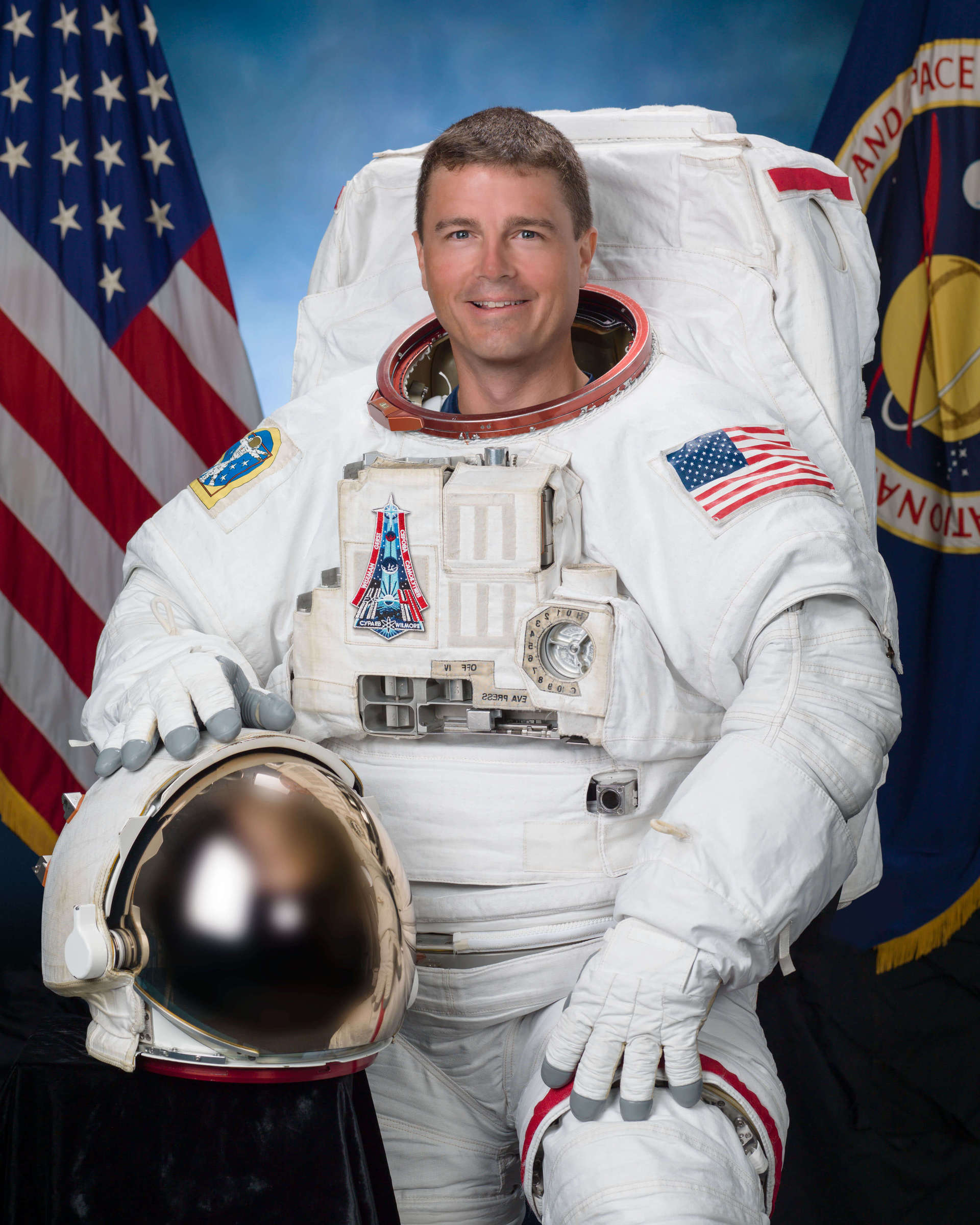
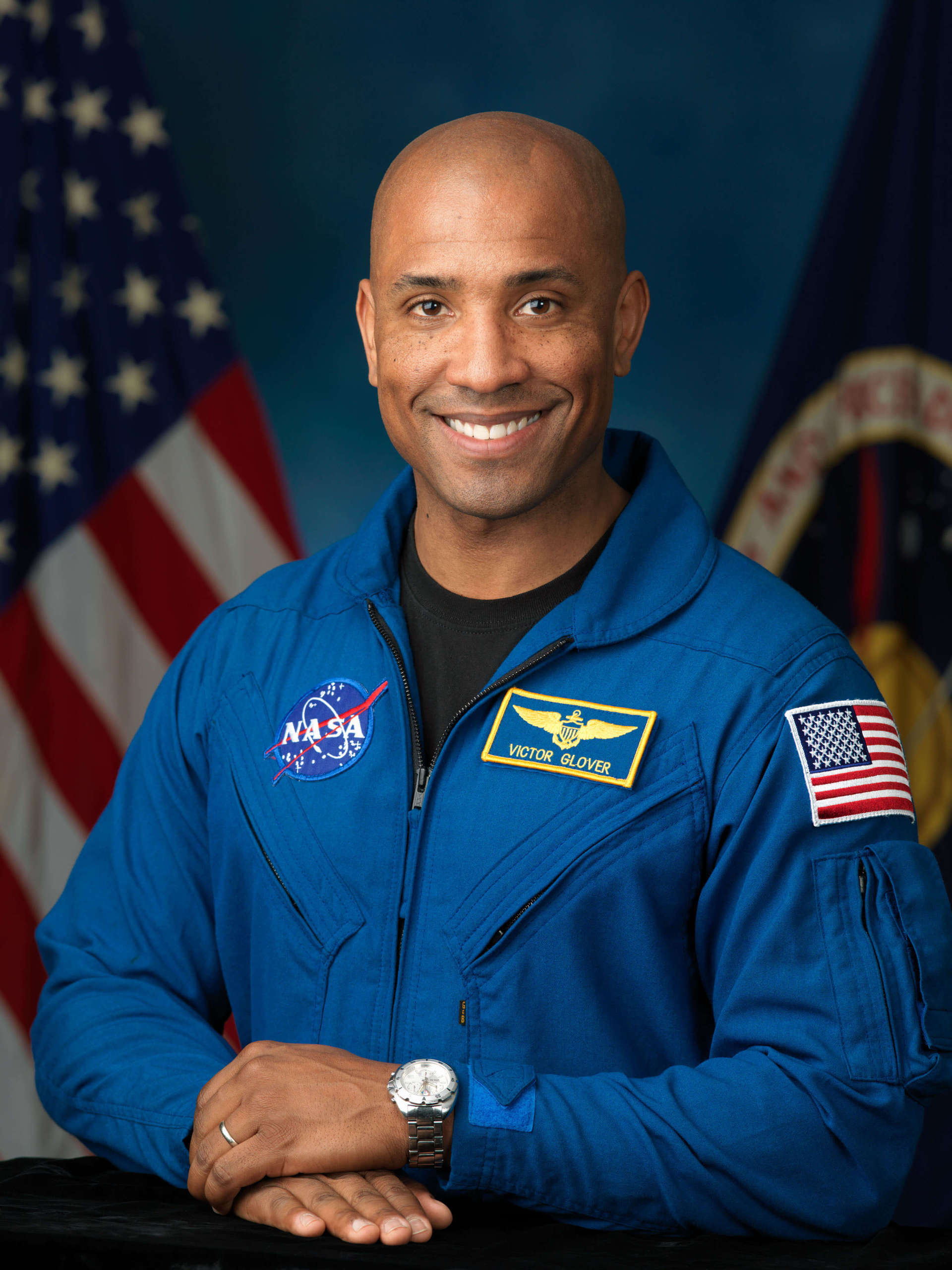
Artemis II is the first crewed mission as part of the Artemis program. Artemis II will send a crew of 4 - 3 Americans and 1 Canadian around the moon and return them back to Earth. The mission will test the core systems of NASA's Orion spacecraft including the critical life support system, among other systems which could not be tested during Artemis I due to the lack of crew onboard.
Go to payload page →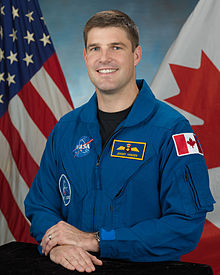
📡 Livestreams & webcasts


🎬 Recent videos
No recent videos found — this row stays empty until something new appears.
📰 News
Independent safety officials also have high praise for changes by NASA leadership.

The pilot of Artemis 2 says NASA’s return to the moon should start with human landings in less challenging equatorial regions rather than go directly to the south pole. The post Artemis 2 astronaut advocates for equatorial lunar landings appeared first on SpaceNews.
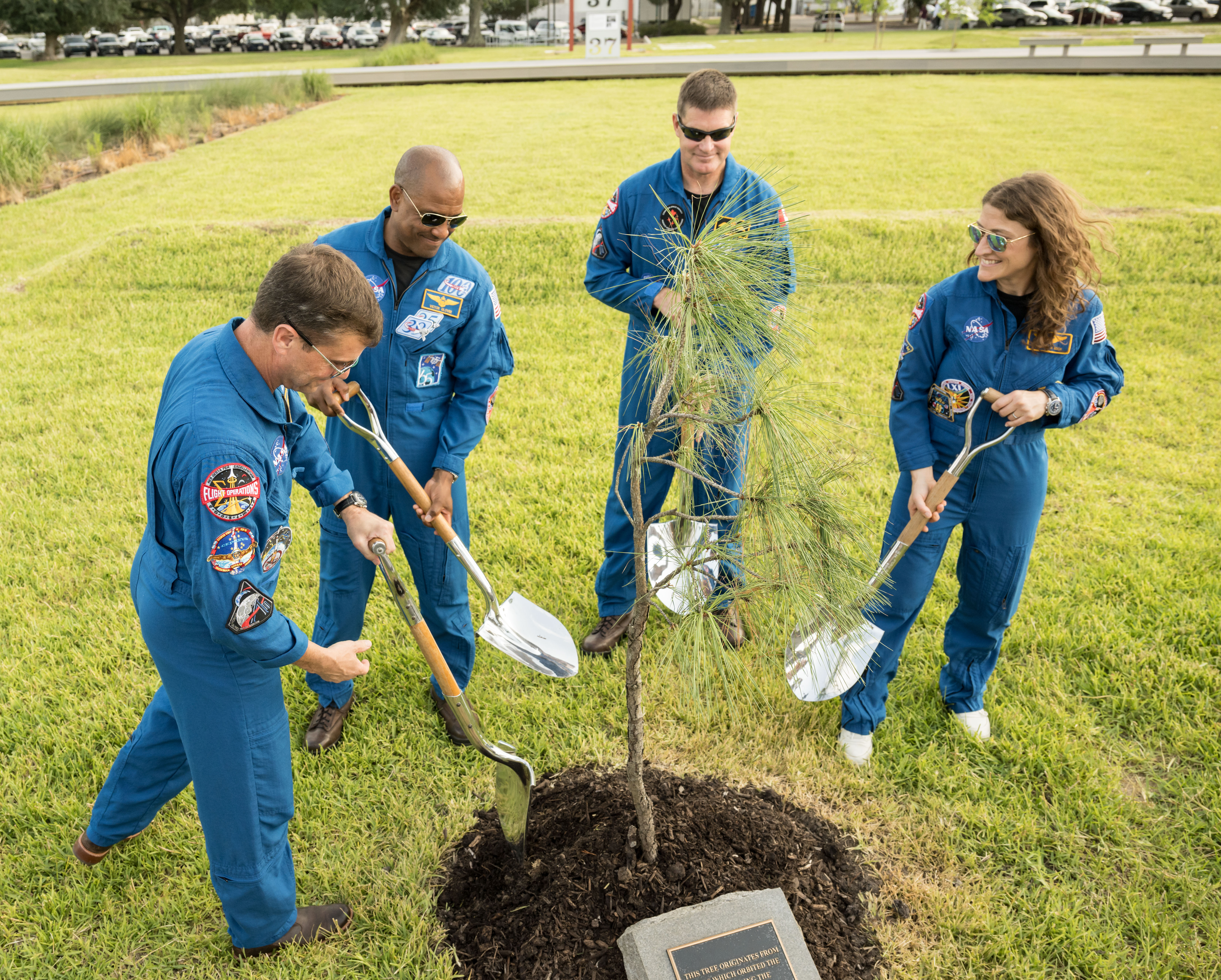
In this photograph, the Artemis II crew participates in the dedication of the Apollo 14 Moon tree at the Lunar Receiving Park at NASA’s Johnson Space Center on June 25, 2026. This tree is a second-generation Apollo Moon tree of the loblolly pine species. The original Apollo Moon trees were grown from seeds carried aboard […]
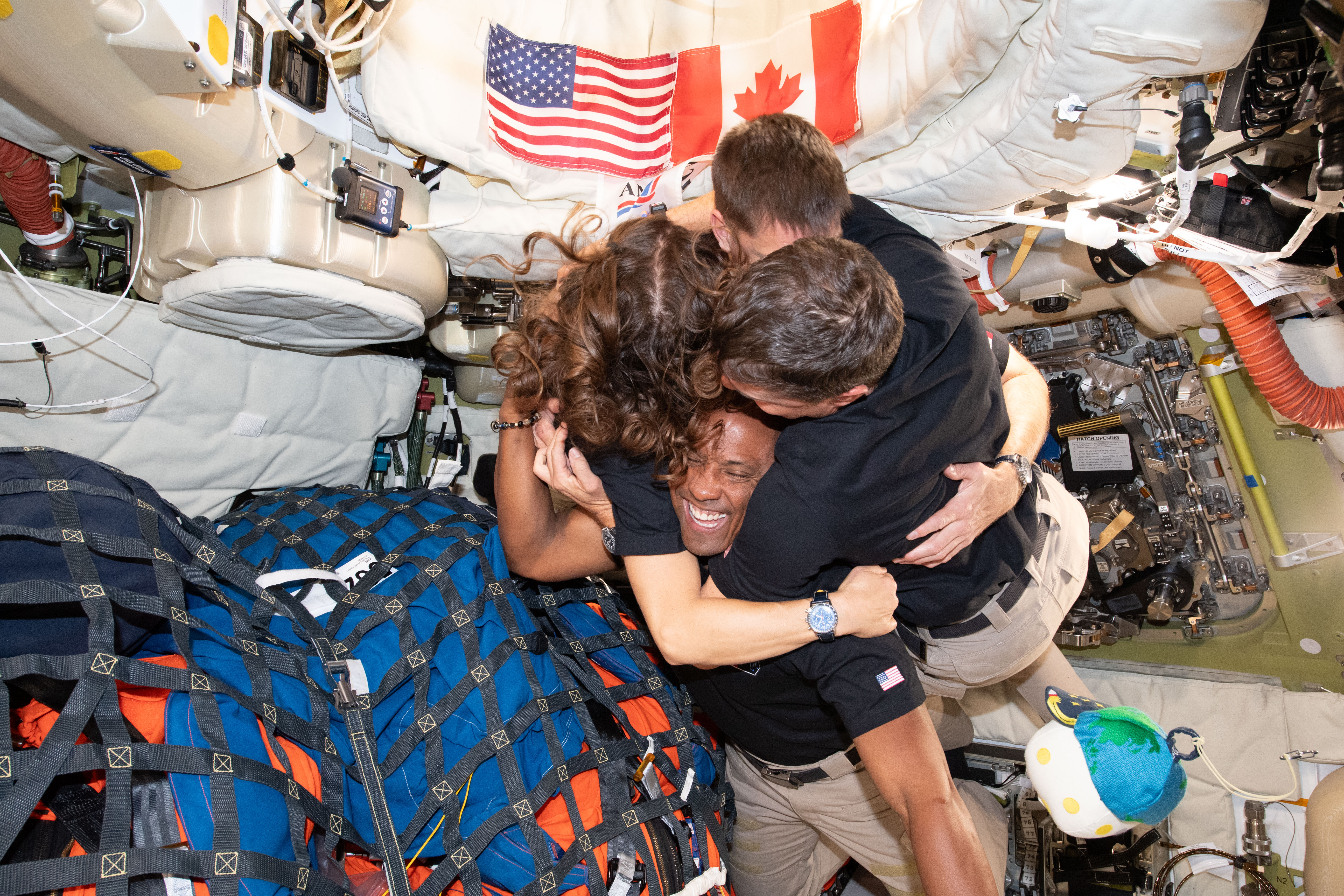
NASA’s live coverage of the Artemis II mission mission drew unprecedented public interest – including more than 149.4 million views of the launch, lunar flyby, splashdown on NASA-owned platforms, including the 24/7 streams covering the mission and the Orion spacecraft views – demonstrating strong, sustained global engagement throughout the mission. Around the Clock Live Broadcast NASA’s Artemis II Crew Launches to the Moon broadcast set unprecedented viewership records across the agency’s […]
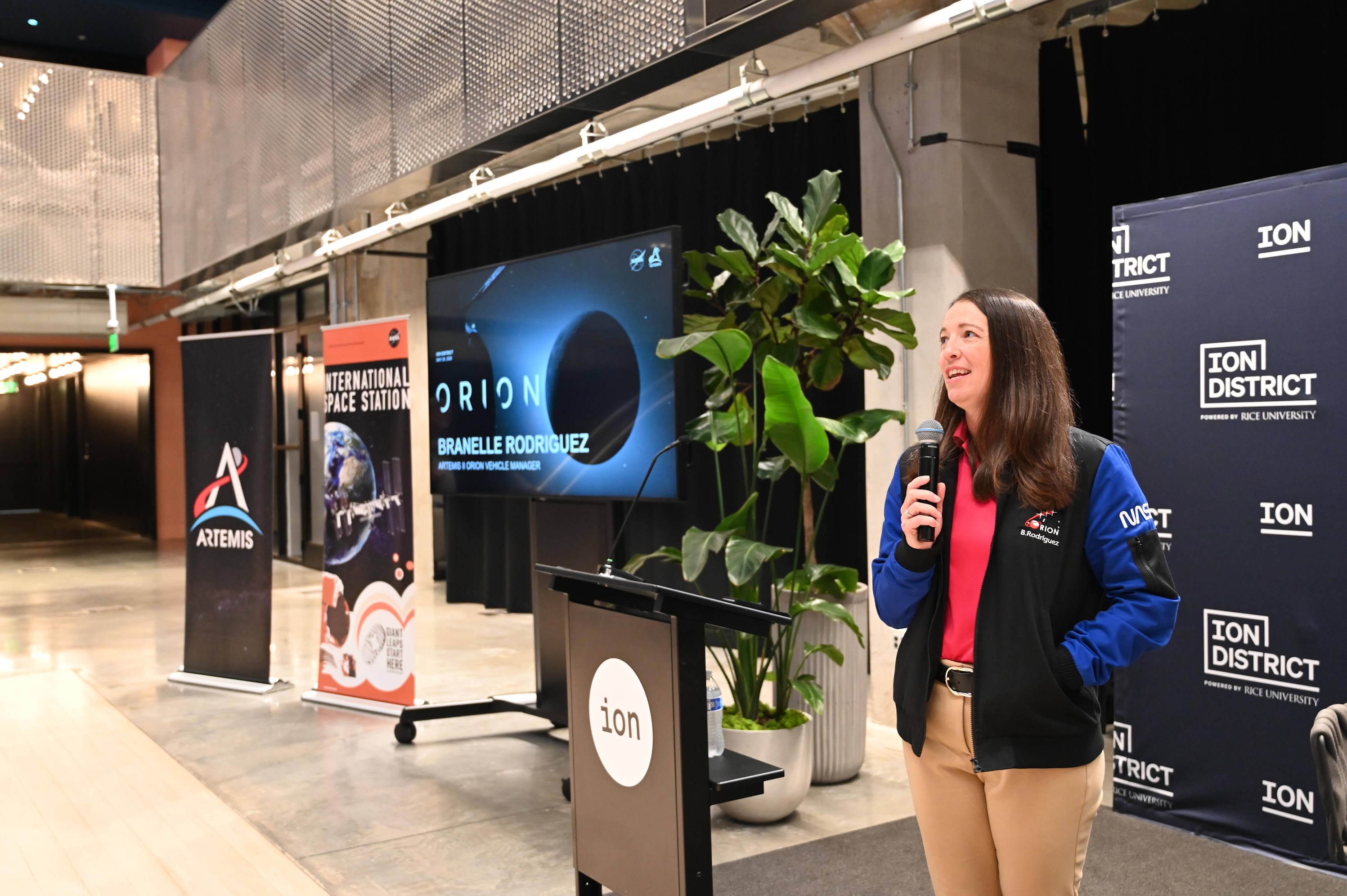
Seven weeks after the Orion spacecraft returned four astronauts from humanity’s first crewed journey around the Moon since Apollo, Artemis II Orion Vehicle Manager Branelle Rodriguez reflected on the mission’s achievements and how it is shaping NASA’s return to the lunar surface and future missions to Mars. Introduced by NASA’s Johnson Space Center Acting Director of Business Development and Technology Integration Monte Goforth, Rodriguez spoke at the Ion in […]
Der erfolgreiche Start markiert einen Meilenstein in der Raumfahrt Europas, auch wenn es bis zum zweiten Start der Spectrum wesentlich länger dauerte, als es ursprünglich anvisiert war. Mit diesem Start konnte nicht nur das Ziel höher und weiter bewältigt werden, als erstes der neu angetretenen privaten Raumfahrtunternehmen Europas hat Isar Aerospace mit ihrer eigenen Trägerrakete […] Der Beitrag
Isar Aerospace hat den 2. Testflug der „Spectrum“-Rakete für heute Abend angekündigt. Um (frühestens) 22:00 Uhr MESZ soll die Rakete vom norwegischen Weltraumbahnhof „Andøya“ abheben, vorbehaltlich dem Wetter, der Sicherheit und der Reichweite. An Bord sind 6 Nutzlasten: 5 CubeSats und 1 Experiment für das „Boost!“-Programm der ESA, das nicht von der Oberstufe getrennt wird. […] Der Beitrag 5. 9.
Am 1. September Abend feierten die Europäische Weltraumorganisation (ESA) und ispace-Europe im Rahmen einer Unterzeichnungszeremonie bei der Veranstaltung „Space for Inspiration“ in Kopenhagen, Dänemark, den Startschuss für MAGPIE, den ersten europäischen Rover auf dem Mond.Eine Pressemitteilung der Europäischen Weltraumagentur ESA. Quelle: ESA / Science & Exploration / Human and Robotic Explorati
Die chinesische Firma Galactic Energy konnte ihren Träger Pallas-1 bei ihrem ersten Flug heute um 4 Uhr von der „Dongfeng commercial space innovation pilot zone“ erfolgreich starten. Der Junfernflug erfolgte ohne Nutzlast, bis zu 5 Tonnen sollen in einen LEO transportiert werden können. Die erste Stufe des RP-1/LOX betriebenen zweistufigen Trägers soll in Zukunft mithilfe […] Der Beitrag 1. 9. 202
Das Nancy-Grace-Roman-Weltraumteleskop befindet sich nun auf einer dreimonatigen Reise über eineinhalb Millionen Kilometer zu seiner endgültigen Umlaufbahn und wird bald die dunkelsten Geheimnisse des Universums enthüllen. Die Mission startete am Sonntag um 13:26 Uhr MESZ an Bord einer SpaceX-Falcon-Heavy-Rakete vom Startkomplex 39A im Kennedy Space Center der NASA in Florida.Eine Pressemitteilung
Das Nancy Grace Roman Space Teleskop der NASA ist bereit zum Start. Der Launch Rediness wurde mit „Go for Launch“ abgeschlossen. Inzwischen steht die Falcon Heavy von SpaceX mit dem Teleskop auf der Startrampe am Startplatz 39A. Der Start ist für morgen (30.08.2026) um 13:25 Uhr MESZ geplant. Der Beitrag 29. 8. 2026 – Nancy Grace Roman Space Teleskop bereit zum Start erschien zuerst auf Raumfahrer
SpaceX soll rund 500 km² Land auf „Pecan Island“ übernehmen, einem Landstrich an der Golfküste von Süd-Louisiana. Das auf 100 Milliarden Dollar bezifferte Projekt würde Louisiana zu einem der wichtigsten Standorte der US-amerikanischen Raumfahrt machen. Der Standort befindet sich zwischen den bestehenden SpaceX-Standorten in Texas und Florida und soll Kapazitäten für einen stark wachsenden Starshi