Rokot / Briz-KM
SuccessGRACE · Eurockot Launch Services
The launch vehicle successfully inserted its payload(s) into the target orbit(s).
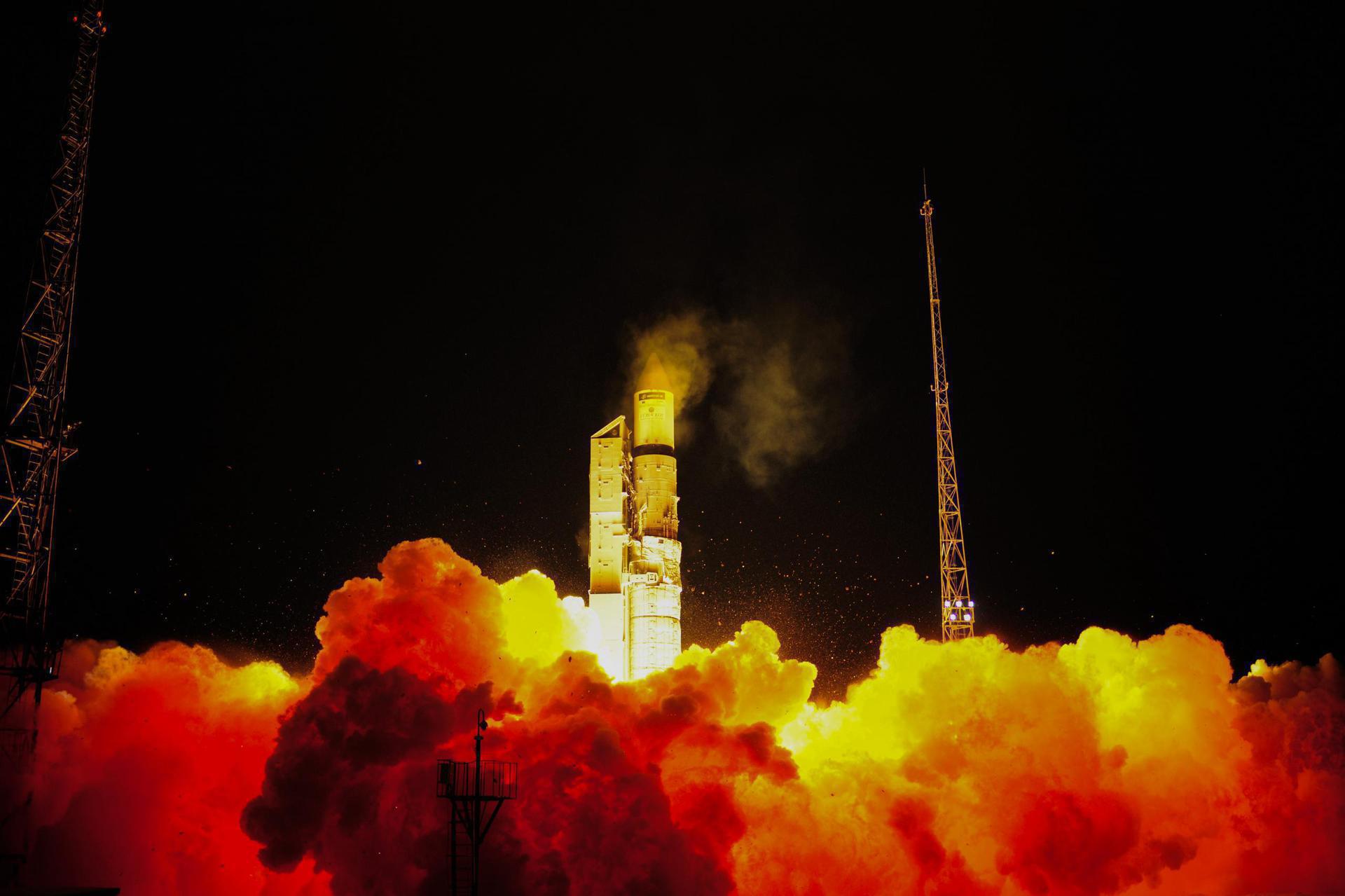
The Gravity Recovery and Climate Experiment (GRACE) was a joint mission of NASA and the German Aerospace Center (DLR). Twin satellites took detailed measurements of Earth's gravity field anomalies from its launch in March 2002 to the end of its science mission in October 2017.
Go to payload page →🎬 Recent videos
No recent videos found — this row stays empty until something new appears.
🚀 About the rocket: Rokot/Briz-KM

📰 News

How do scientists studying space with data from a telescope hundreds of thousands of miles away know that what they are seeing is real? A new NASA project, Artifact InSPECtor, invites you to find out – and by doing so, to help missions like Euclid and NASA’s new Nancy Grace Roman Space Telescope answer fundamental […]

NASA’s Nancy Grace Roman Space Telescope successfully launched on Sunday, Aug. 30, atop a SpaceX… The post Roman telescope deploys solar array and communication systems, powers on Coronagraph Instrument appeared first on NASASpaceFlight.com.
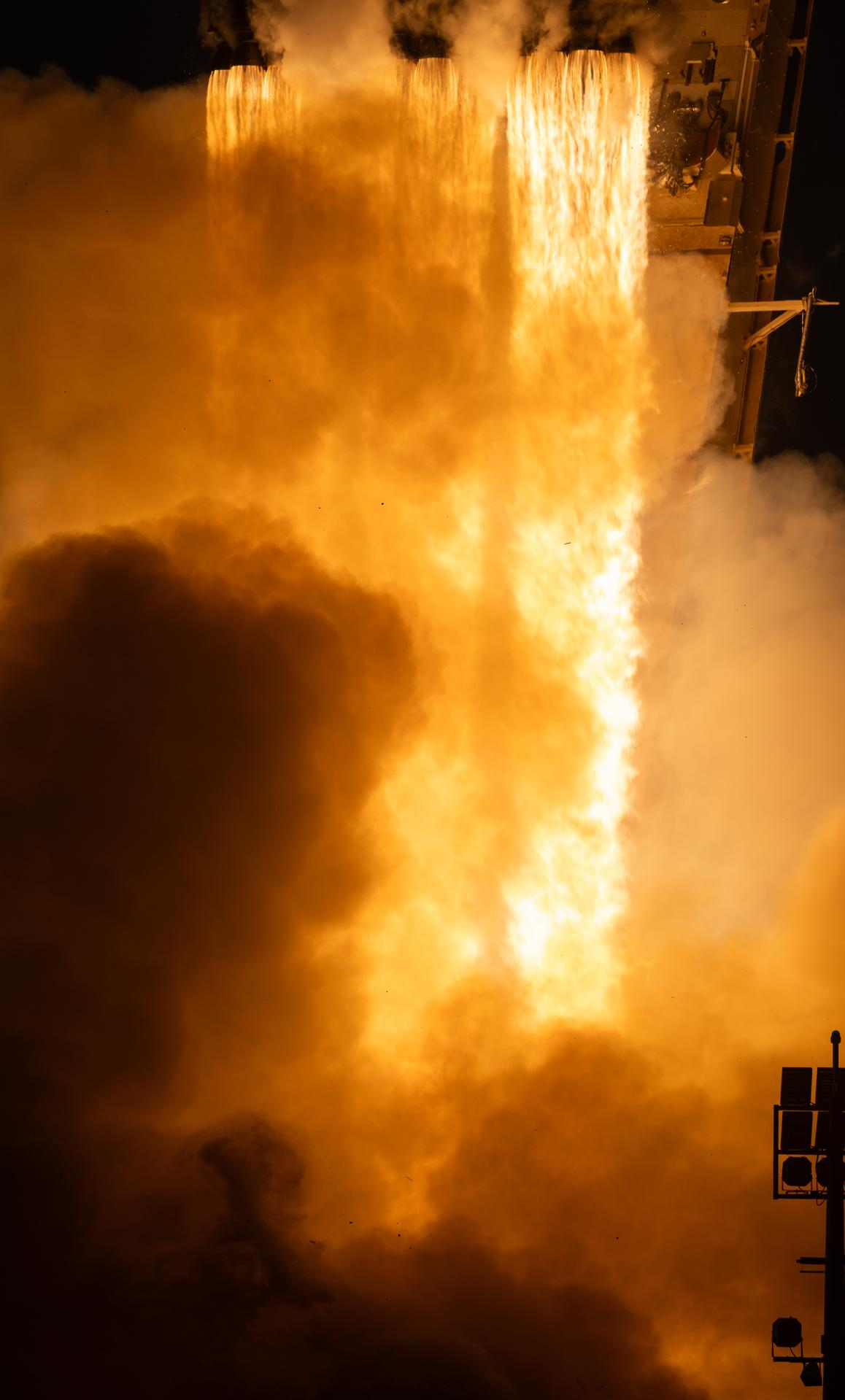
Now on a three-month, million-mile journey to its final orbit, NASA’s Nancy Grace Roman Space Telescope will soon reveal the universe’s darkest secrets. The mission launched at 7:26 a.m. EDT on Aug. 30 aboard a SpaceX Falcon Heavy rocket from Launch Complex 39A at the agency’s Kennedy Space Center in Florida. Roman pairs a large […]
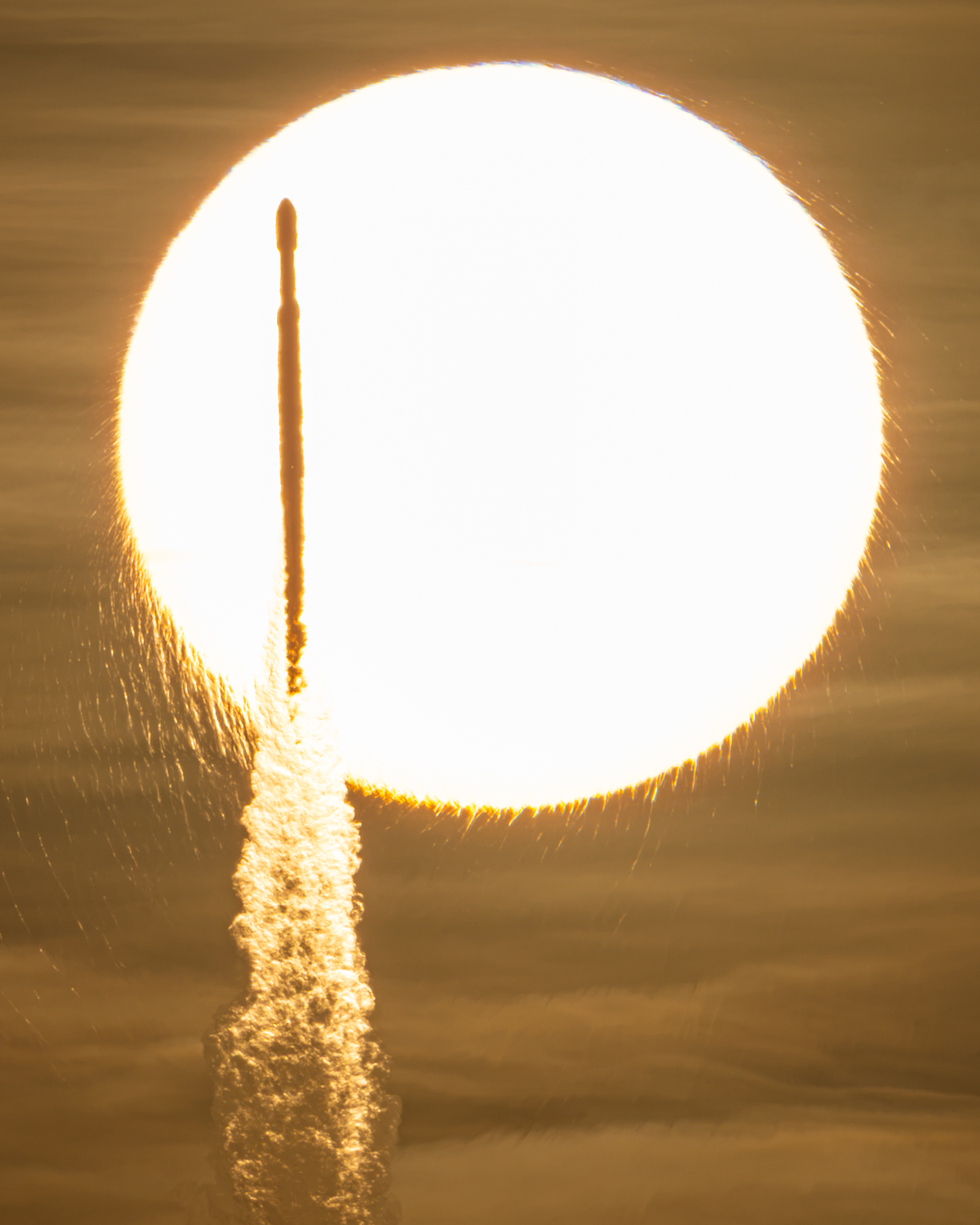
NASA’s Nancy Grace Roman Space Telescope, aboard a SpaceX Falcon Heavy rocket, transits the Sun during launch from the agency’s Kennedy Space Center in Florida on Aug. 30, 2026. Roman is named after the agency’s first chief astronomer. Roman will survey billions of stars and galaxies with a field of view far larger than Hubble’s, […]

NASA’s Nancy Grace Roman Space Telescope lifted off on a SpaceX Falcon Heavy rocket from NASA’s Kennedy Space Center in Florida, USA, at 07:26 EDT / 12:26 BST/ 13:26 CEST on 30 August 2026. With the successful launch, Roman began its mission to survey the sky in visible to near-infrared light to help reveal the nature of dark energy and dark matter. The telescope will also investigate the true diversity of exoplanets in our galaxy.
NASA’s Nancy Grace Roman Space Telescope lifted off this morning on a mission to find more planets around other stars in the universe and solve the mysteries of dark energy […]
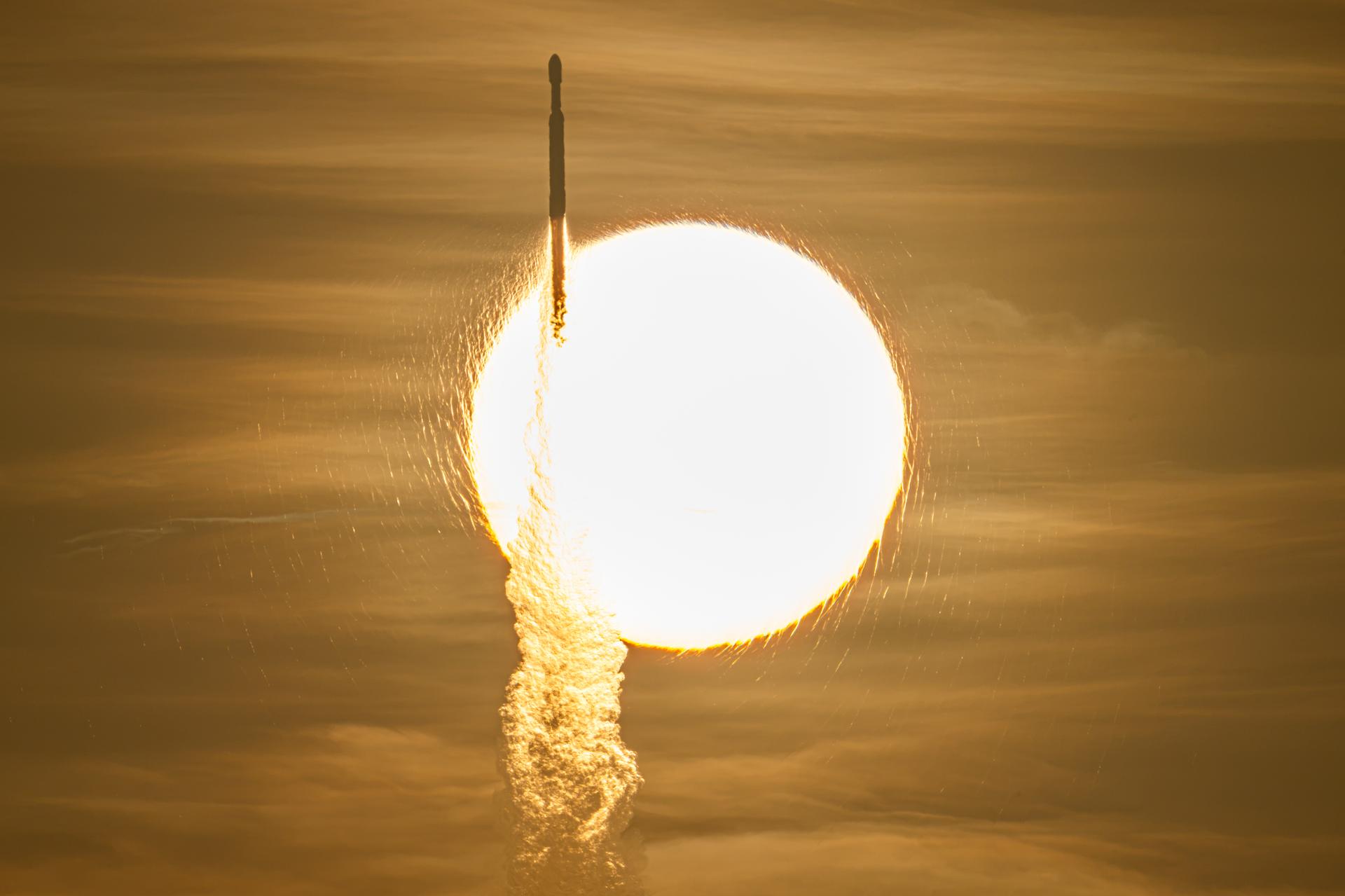
Now on a three-month, million-mile journey to its final orbit, NASA’s Nancy Grace Roman Space Telescope will soon reveal the universe’s darkest secrets. The mission launched at 7:26 a.m. EDT Sunday aboard a SpaceX Falcon Heavy rocket from Launch Complex 39A at the agency’s Kennedy Space Center in Florida. Roman pairs a large field of […]

NASA and SpaceX are set for the launch of NASA’s next great space observatory —… The post NASA, SpaceX set to launch the Nancy Grace Roman Space Telescope from Florida on Sunday appeared first on NASASpaceFlight.com.
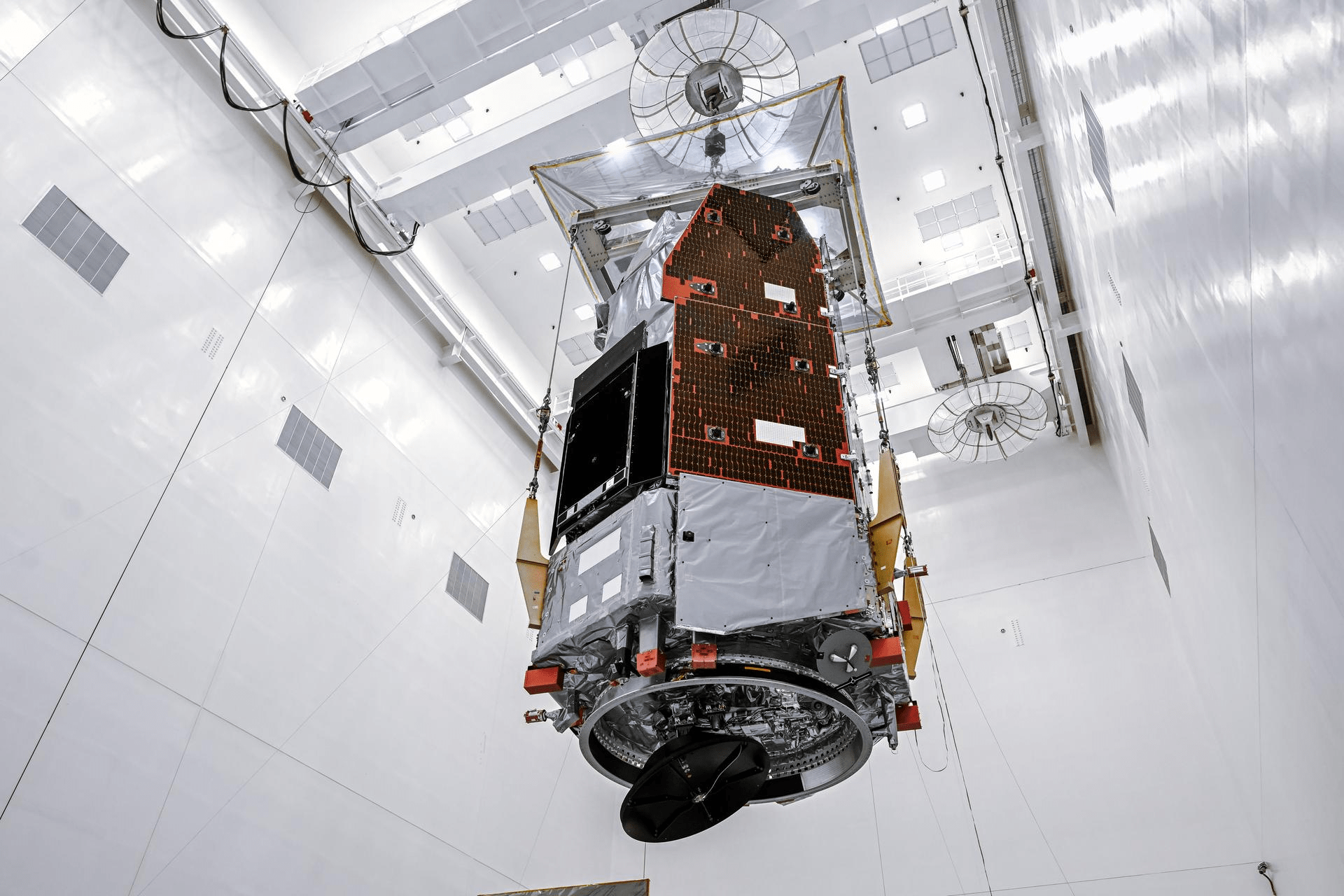
NASA’s new flagship space observatory, the Nancy Grace Roman Space Telescope, is now attached to its Falcon Heavy rocket and ready to set out on its journey to uncover the secrets of the universe.
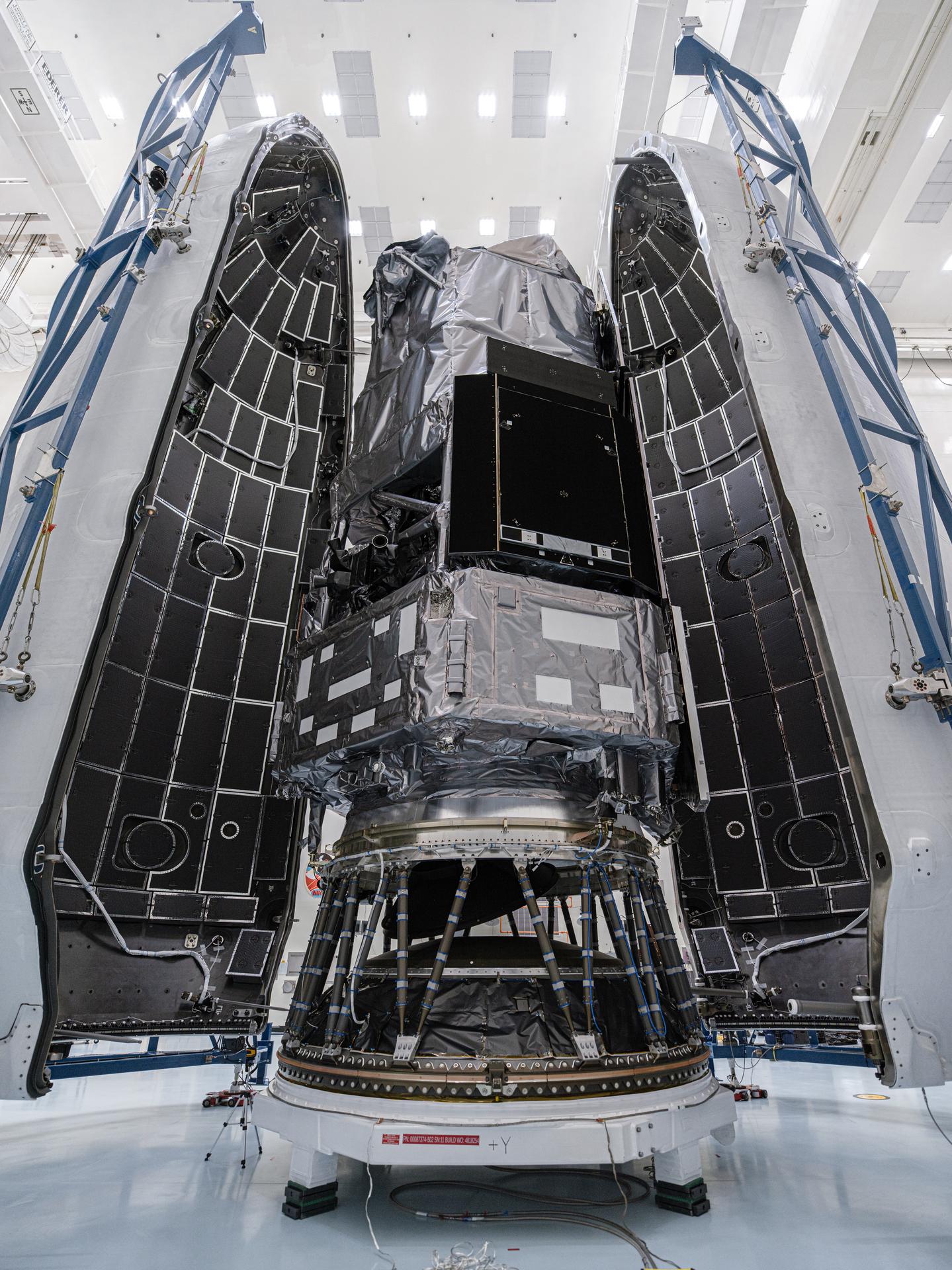
NASA’s Nancy Grace Roman Space Telescope is set to launch at 7:26 a.m. EDT on Sunday, Aug. 30. While you wait to watch the launch, brush up on some key facts about this wide-view mission. To learn more about the Roman mission, visit: https://www.nasa.gov/roman Media contact: Claire AndreoliNASA’s Goddard Space Flight Center, Greenbelt, Md.claire.andreoli@nasa.gov301-286-1940
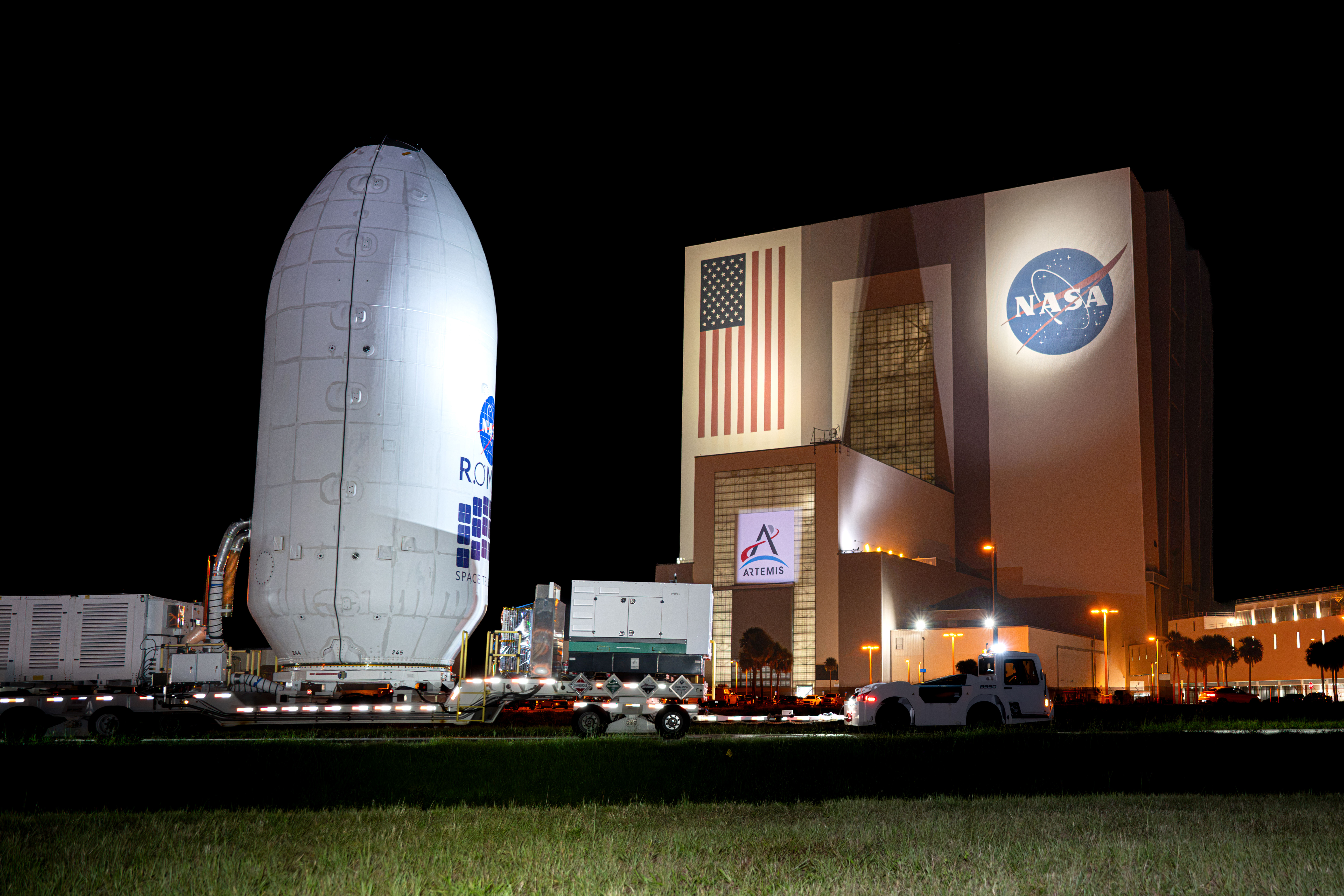
NASA’s Nancy Grace Roman Space Telescope, encapsulated in its payload fairing, travels from the Payload Hazardous Servicing Facility to the SpaceX hangar at Launch Complex 39A at NASA’s Kennedy Space Center on Tuesday, Aug. 25, 2026, ahead of mating to a SpaceX Falcon Heavy rocket. Roman’s science instruments are designed to help researchers understand dark […]
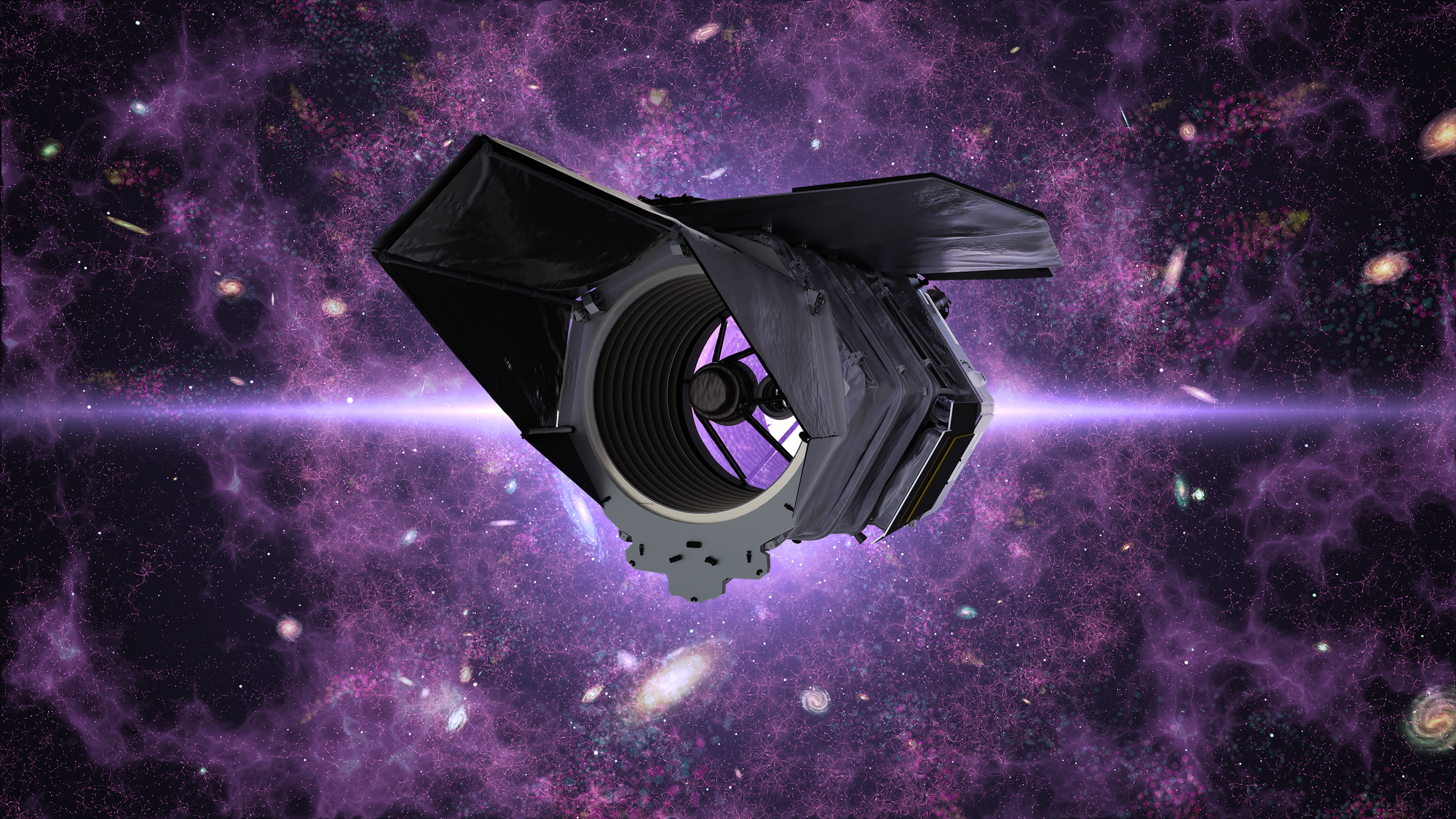
Set to launch on Sunday, Aug. 30, NASA’s Nancy Grace Roman Space Telescope will empower astronomers to explore vast regions of the cosmos and settle essential questions in the areas of dark energy, dark matter, planets outside our solar system, and the formation and growth of galaxies over cosmic time. Key contributions to Roman’s mission […]