Delta 7925-10
SuccessPolar · United States Air Force
The launch vehicle successfully inserted its payload(s) into the target orbit(s).
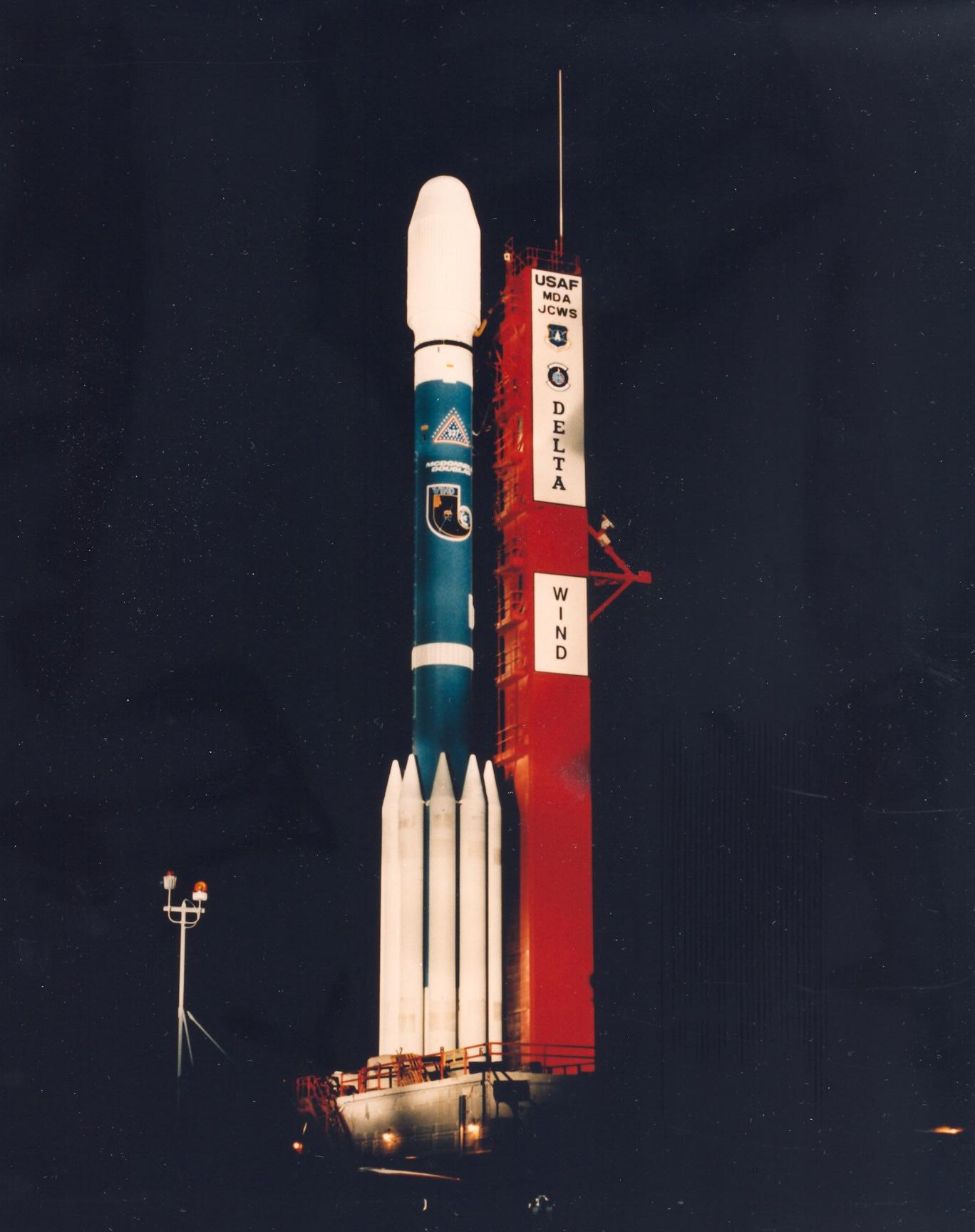
Polar is one of four spacecraft in the Global Geospace Science (GGS) program. These are among the spacecraft (Wind, Geotail, SOHO, and Cluster) in the International Solar Terrestrial Physics (ISTP) program. POLAR measures solar wind entry, ionospheric output, and the depositions of energy into the neutral atmosphere at high latitudes.
Go to payload page →🎬 Recent videos
No recent videos found — this row stays empty until something new appears.
📰 News
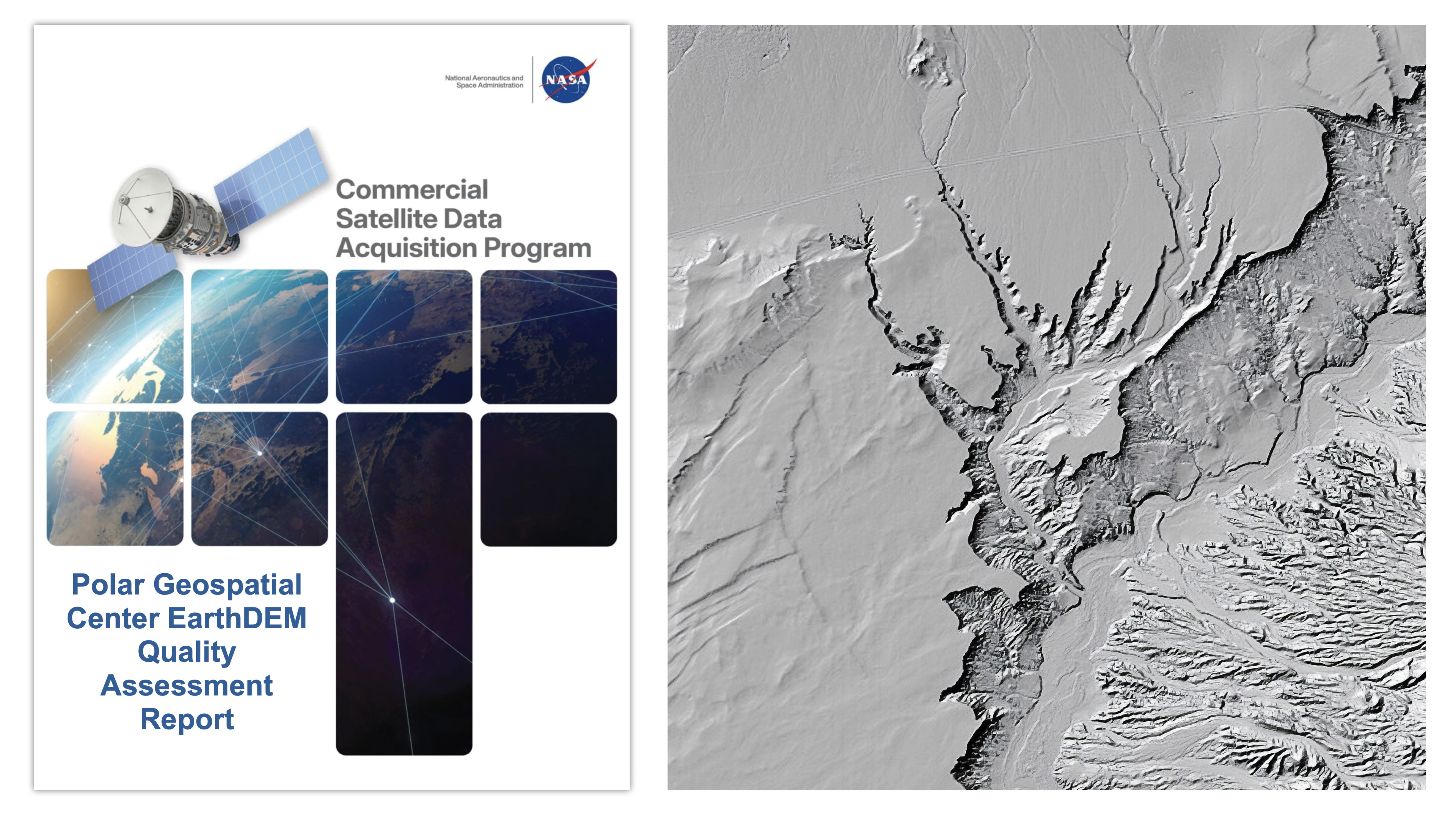
CSDA’s assessment reports help inform the user community about the quality of commercial Digital Elevation Models (DEMs).
Using continuous imagery from NASA’s PUNCH (Polarimeter to Unify the Corona and Heliosphere) mission, scientists predicted the near-Earth arrival of a solar eruption to within 30 minutes in an initial proof of concept test. The results, presented Tuesday at the Committee on Space Research Scientific Meeting and under review at the journal Space Weather, could […]
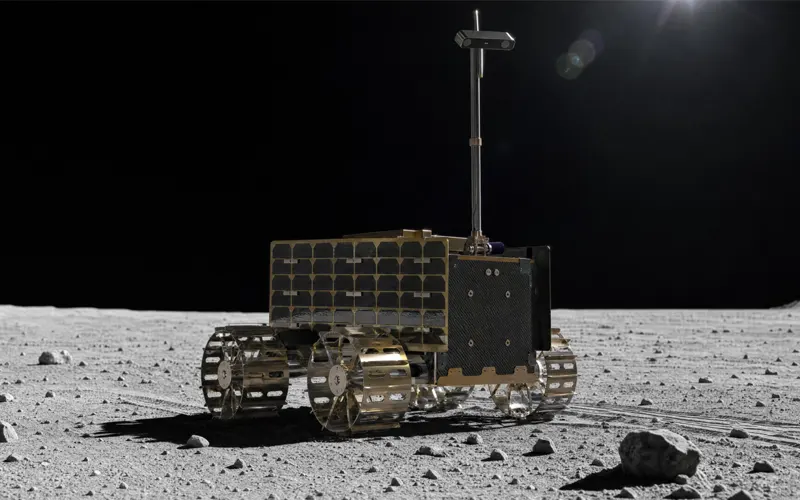
ESA has awarded a contract to Luxembourg-based ispace-Europe to complete the development of the MAGPIE lunar rover and deliver it to the surface of the Moon in 2029. The Mission for Advanced Geophysics and Polar Ice Exploration (MAGPIE) is being developed under ESA’s Small Missions for Exploration initiative. The rover will explore the Moon’s south […] The post ESA Awards ispace €65M Contract to Build and Deliver MAGPIE Rover to the Moon appeared first on European Spaceflight.
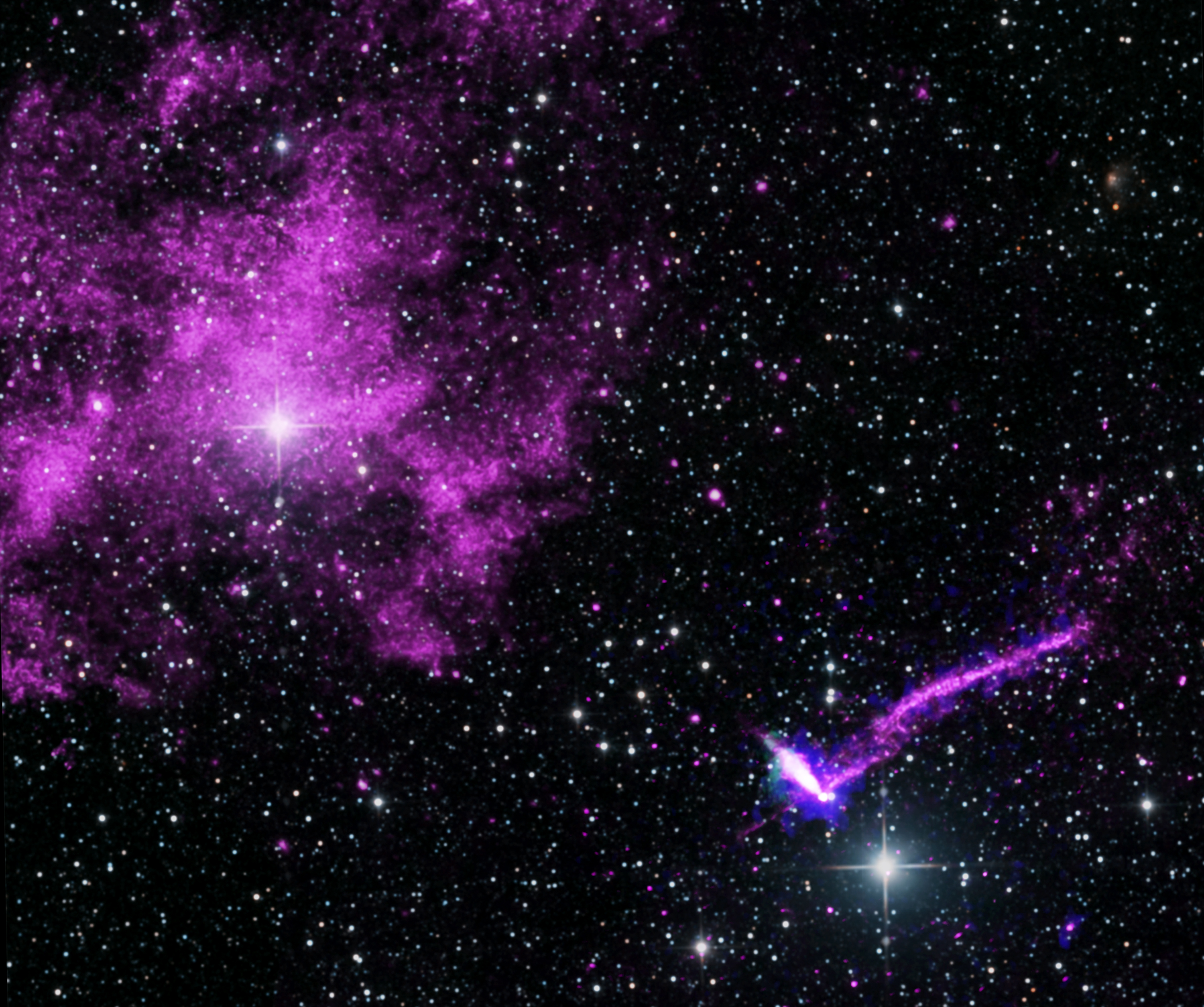
This composite image, released on July 9, 2026, shows the region around a pulsar – a neutron star with a strong magnetic field that spins incredibly fast – within the Lighthouse nebula. The image contains X-ray data from NASA’s Chandra X-ray Observatory in purple, X-rays from NASA’s IXPE (Imaging X-ray Polarimetry Explorer) in blue, and […]
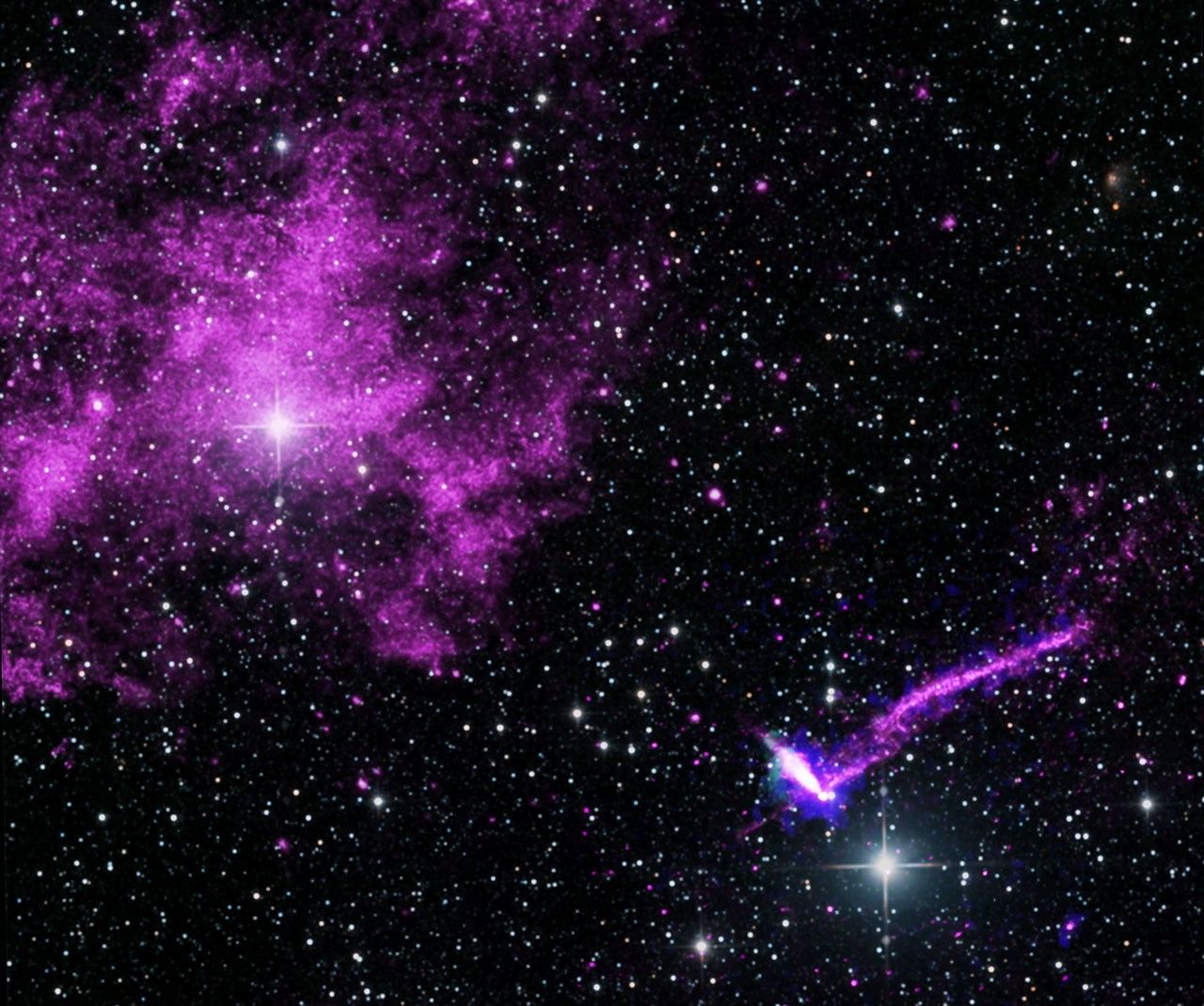
For the first time, scientists have used NASA’s IXPE (Imaging X-ray Polarimetry Explorer) to directly measure the magnetic fields of PSR J1101−6101, a pulsar located within what is often referred to as the Lighthouse Nebula. The results provide new insight into the structure of some of the most extreme objects in the cosmos, as NASA […]

NASA has selected Rocket Lab to provide the launch service for both the agency’s PolSIR (Polarized Submillimeter Ice-cloud Radiometer) and Total and Spectral Solar Irradiance Sensor-2 (TSIS-2) missions. The two selections are part of NASA’s Venture-Class Acquisition of Dedicated and Rideshare (VADR) launch services contract. This contract allows the agency to award fixed-price indefinite-delivery/indefinite-quantity launch […]
Der Polarstern zeigt uns nicht nur, wo Norden ist, sondern er ist auch ein veränderlicher Stern. Die Helligkeitsschwankungen solcher Cepheiden-Sterne haben zu Beginn des 20. Jahrhunderts die Sonne an den Rand der Milchstraße verbannt. Der Beitrag AstroGeo Podcast: Cepheiden, das Lineal für den Kosmos erschien zuerst auf Raumfahrer.net .