📊 Analysis
Statistics & insights on rockets and organizations — technology, history, numbers.
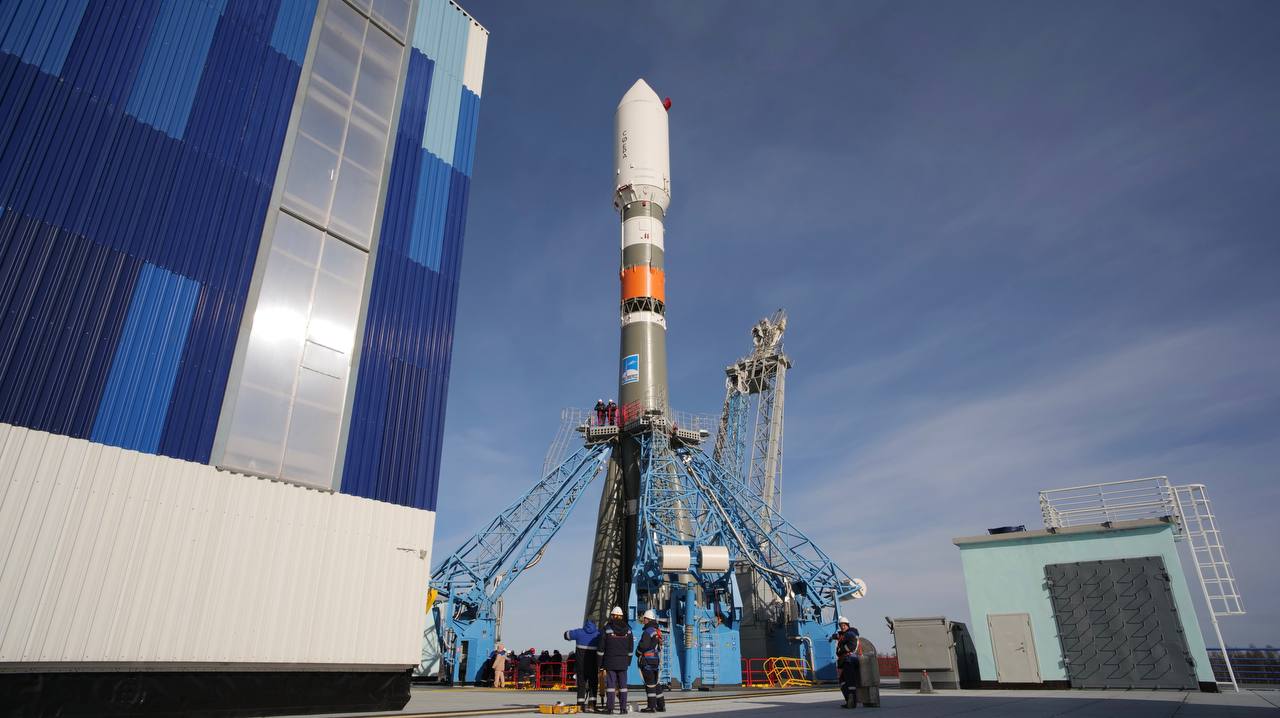
Soyuz 2.1b Fregat
ActiveProgress Rocket Space Center
Soyuz-2, GRAU index 14A14, is the collective designation for the 21st-century version of the Russian Soyuz rocket. In its basic form, it is a three-stage carrier rocket for placing payloads into low Earth orbit. The first-stage boosters and two core stages feature uprated engines with improved injection systems, compared to the previous versions of the Soyuz. Digital flight control and telemetry systems allow the rocket to be launched from a fixed launch platform, whereas the launch platforms for earlier Soyuz rockets had to be rotated as the rocket could not perform a roll to change its heading in flight. The Soyuz 2.1b represents the latest development stage of the proven rocket. It uses the new RD-0124 engines in the first three stages, coupled with an improved injection system that significantly boosts the performance of the Soyuz. Furthermore, she wears a new, digital startup control system. This will allow the Soyuz 2.1b to carry around 1.2 tonnes more payload into low earth orbit compared to its predecessor.
Key figures
🧐 Data check
Automatic plausibility checks — anomalies are surfaced transparently here:
- ℹ️The figures above apply only to the “Soyuz 2.1b Fregat” variant. The Launch Library counts each variant separately — the Soyuz, Soyuz 2 family totals 209 launches across 13 variants.
Technology
Engines & propellant
| Boosters | 4× RD-107A | Kerosin / Flüssigsauerstoff |
| 1st stage | 1× RD-108A (Zentralblock) | Kerosin / Flüssigsauerstoff |
| 2nd stage | RD-0110 / RD-0124 | Kerosin / Flüssigsauerstoff |
| Kick stage | Fregat (optional) | UDMH / Stickstofftetroxid |
Engine and propellant data from curated sources: Wikipedia — Sojus (Rakete)
Launches per year
of which in our database: 26
History & events
Sources
- Launch Library 2 (The Space Devs)
- Wikipedia