📊 Analysis
Statistics & insights on rockets and organizations — technology, history, numbers.
Soyuz FG
RetiredProgress Rocket Space Center
The Soyuz FG rocket is an expendable launch vehicle most commonly known for carrying humans to the International Space Station today.
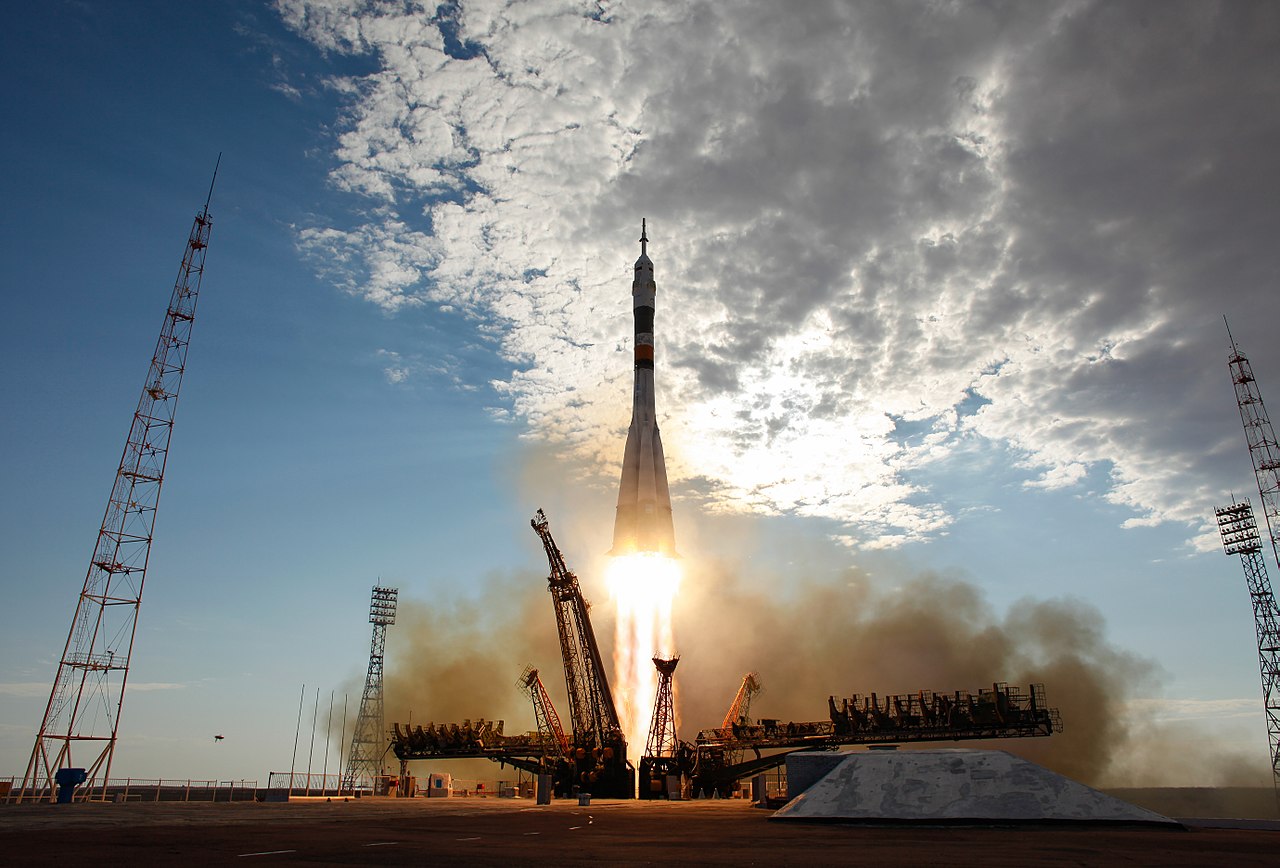
Key figures
Total launches
60
Successes
59
Failures
1
Success rate
98.3 %
Success streak
5
Maiden flight
May 20, 2001
Reusable
No
Shortest launch interval ⓘ
16d 17h
Planned launches
0
Technology
Length
49.5 m
Diameter
3 m
Launch mass
305 t
Stages
2
LEO (low Earth orbit)
6,450 kg
SSO (sun-synchronous)
4,500 kg
Engines & propellant
| Boosters | 4× RD-107A | Kerosin / Flüssigsauerstoff |
| 1st stage | 1× RD-108A (Zentralblock) | Kerosin / Flüssigsauerstoff |
| 2nd stage | RD-0110 / RD-0124 | Kerosin / Flüssigsauerstoff |
| Kick stage | Fregat (optional) | UDMH / Stickstofftetroxid |
Engine and propellant data from curated sources: Wikipedia — Sojus (Rakete)
Launches per year
of which in our database: 60
Successes Failures Other/planned
History & events
Sources
- Launch Library 2 (The Space Devs)
- Wikipedia