📊 Analysis
Statistics & insights on rockets and organizations — technology, history, numbers.
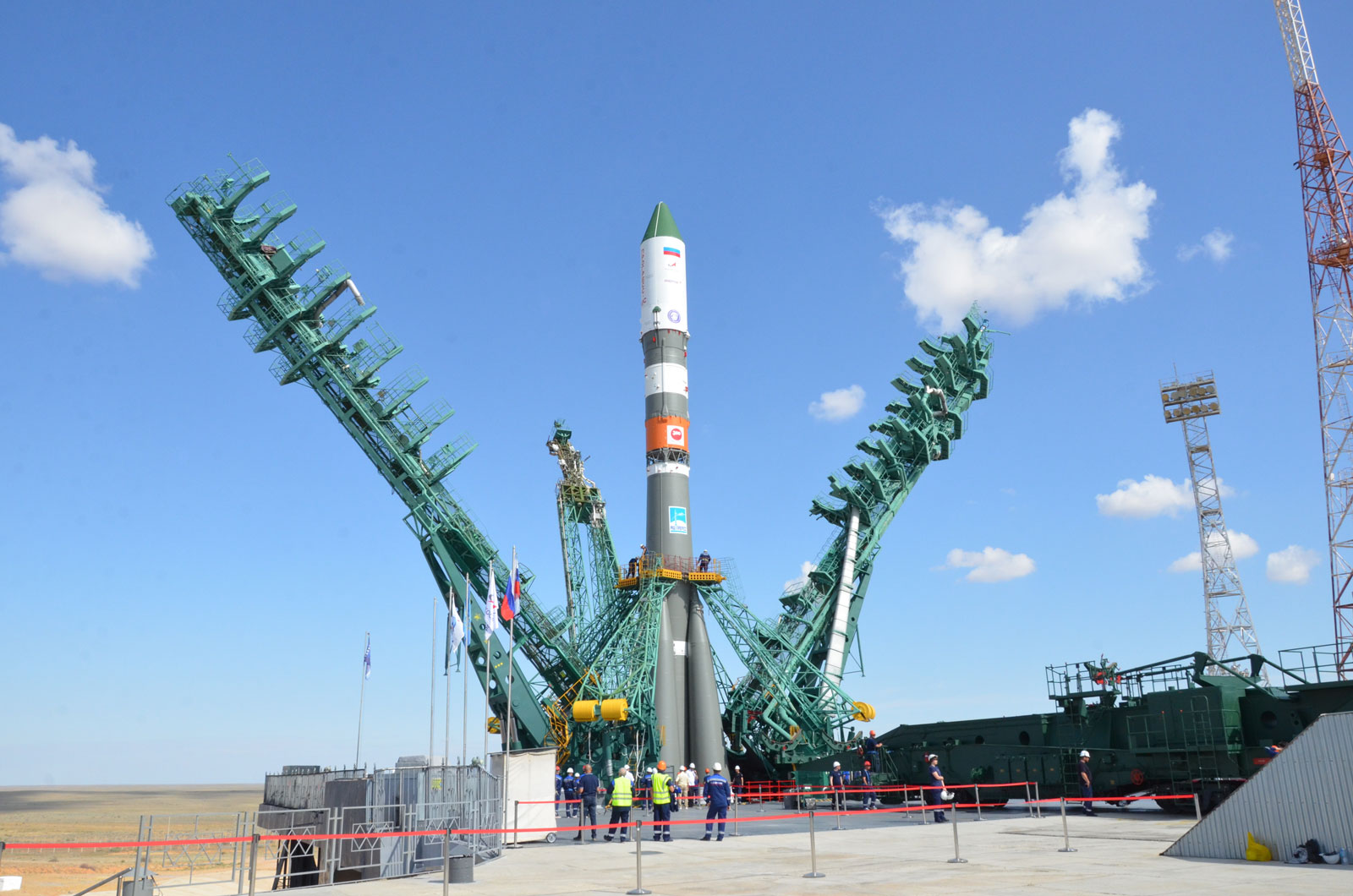
Soyuz 2.1a
ActiveProgress Rocket Space Center
The Soyuz 2.1A converted the flight control system from analog to digital, which allowed launch from fixed platforms. It also allowed big fairings and payloads. It is currently used for crewed Soyuz and Progress flights to the ISS.
Key figures
Total launches
58
Successes
57
Failures
1
Success rate
98.3 %
Success streak
51
Maiden flight
Nov 4, 2004
Launch cost
$80 Mio.
Reusable
No
Shortest launch interval ⓘ
7d 6h
Planned launches
1
Soyuz, Soyuz 2 family total
209 launches · 202 successes · 7 failures (13 variants)
🧐 Data check
Automatic plausibility checks — anomalies are surfaced transparently here:
- ℹ️The figures above apply only to the “Soyuz 2.1a” variant. The Launch Library counts each variant separately — the Soyuz, Soyuz 2 family totals 209 launches across 13 variants.
Technology
Length
46.3 m
Diameter
2.95 m
Launch mass
312 t
Liftoff thrust
4,149 kN
Stages
2–3
LEO (low Earth orbit)
7,020 kg
GTO (geo transfer)
2,810 kg
SSO (sun-synchronous)
4,230 kg
Engines & propellant
| Boosters | 4× RD-107A | Kerosin / Flüssigsauerstoff |
| 1st stage | 1× RD-108A (Zentralblock) | Kerosin / Flüssigsauerstoff |
| 2nd stage | RD-0110 / RD-0124 | Kerosin / Flüssigsauerstoff |
| Kick stage | Fregat (optional) | UDMH / Stickstofftetroxid |
Engine and propellant data from curated sources: Wikipedia — Sojus (Rakete)
Launches per year
of which in our database: 59
Successes Failures Other/planned
History & events
Sources
- Launch Library 2 (The Space Devs)
- Wikipedia