Nova
Stoke Space
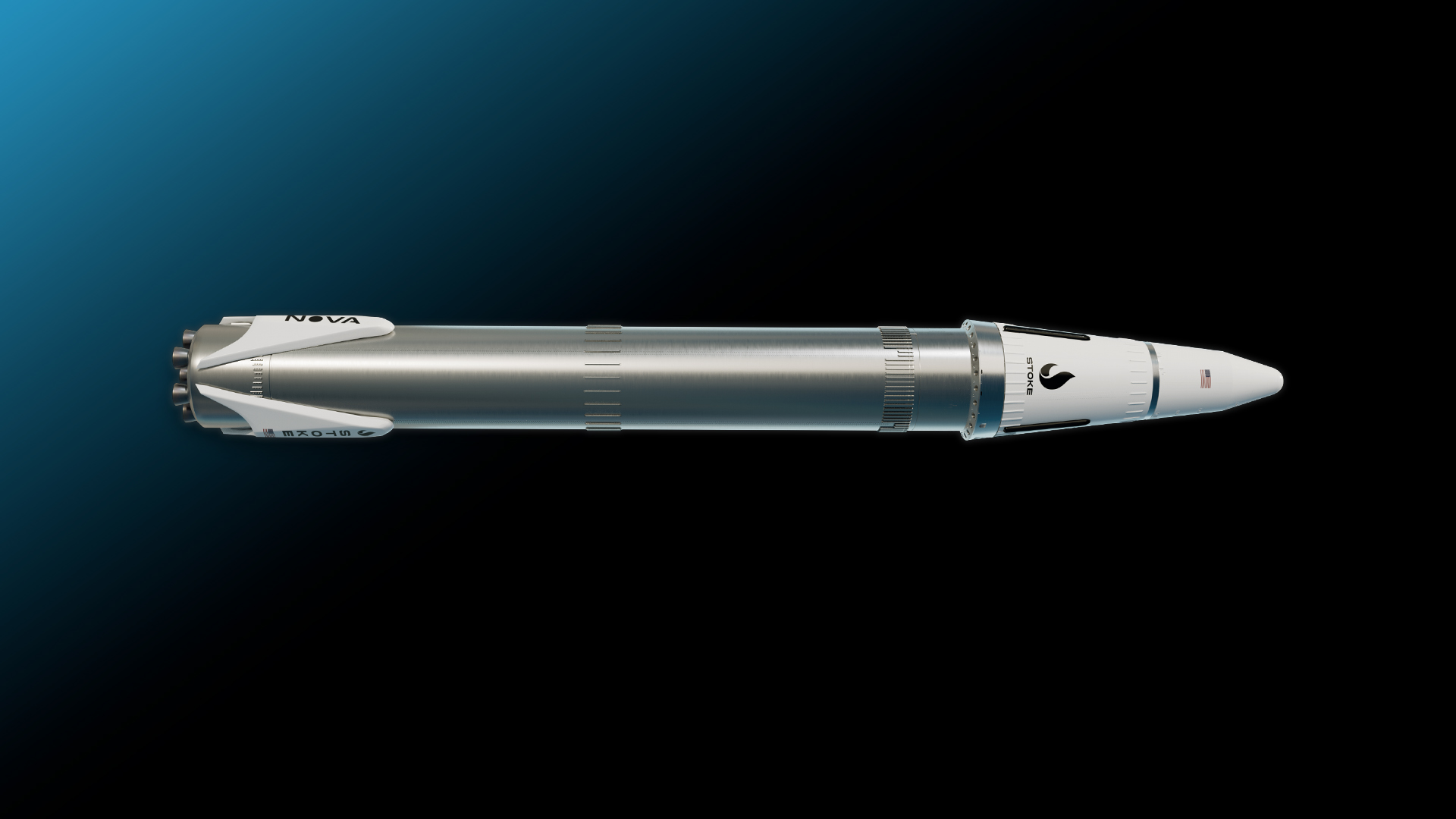
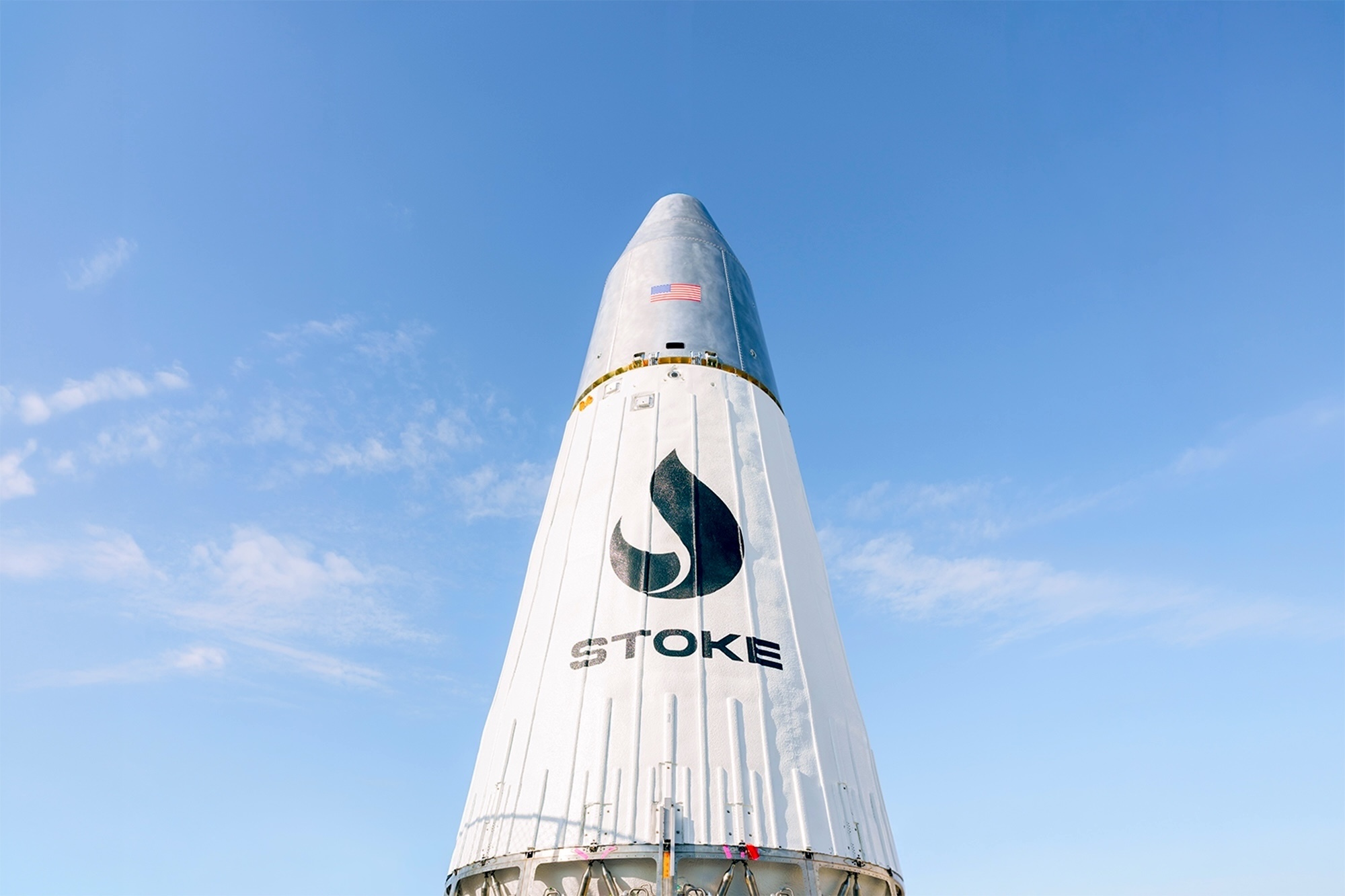
Stoke Space’s Nova launch vehicle is a planned fully reusable 2-stage rocket. The 1st stage uses 7 Zenith Full-flow staged-combustion (FFSC) engines using Liquified natural gas/liquid oxygen (LNG/LOX) as fuel, with restartable capability and landing legs for landing. The 2nd stage is unconventionally designed around a 24-thrust chamber liquid hydrogen/liquid oxygen (LH2/LOX) expander cycle rocket engine that surrounds a regeneratively cooled heat shield, thus enabling the upper stage to return to Earth from orbit without thermal tiles. The nozzle accommodates deep throttle operation even in the presence of atmospheric pressure and serves as an actively cooled metallic heat shield during atmospheric reentry. There is also a center passive bleed that aims to create an aerospike engine-like effect for improved efficiency.

🚀 Über die Rakete: Nova







📰 News
Die chinesische Firma Galactic Energy konnte ihren Träger Pallas-1 bei ihrem ersten Flug heute um 4 Uhr von der „Dongfeng commercial space innovation pilot zone“ erfolgreich starten. Der Junfernflug erfolgte ohne Nutzlast, bis zu 5 Tonnen sollen in einen LEO transportiert werden können. Die erste Stufe des RP-1/LOX betriebenen zweistufigen Trägers soll in Zukunft mithilfe […] Der Beitrag 1. 9. 202
Isar Aerospace hat eine Vereinbarung mit Maritime Launch Services, welche einen Startplatz in der Nähe von Canso in Nova Scotia, Kanada errichtet, geschlossen um den Startplatz zukünftig für ihre Spectrum Rakete zu nützen. Im Rahmen eines 10-Jahres-Vertrags wird Isar Aerospace vierteljährlich 3,75 Millionen US-Dollar zahlen, wobei nach dem ersten Vertragsjahr eine 30-monatige Gebührenbefreiung gil
Eine gigantische Supernova sorgte vor über tausend Jahren für Aufruhr in weiten Teilen der Welt. Tagebücher und Aufzeichnungen gewähren uns einen Einblick in die Reaktionen der Menschen. Die Niederschriften japanischer Gelehrter helfen bis heute bei der Forschung und Datierung des besonderen Himmelphänomens. Beitrag von Anna-Janina Stöhr, Quellen: Wikimedia, NASA, Harvard, Raumfahrer.net. 28. Juni
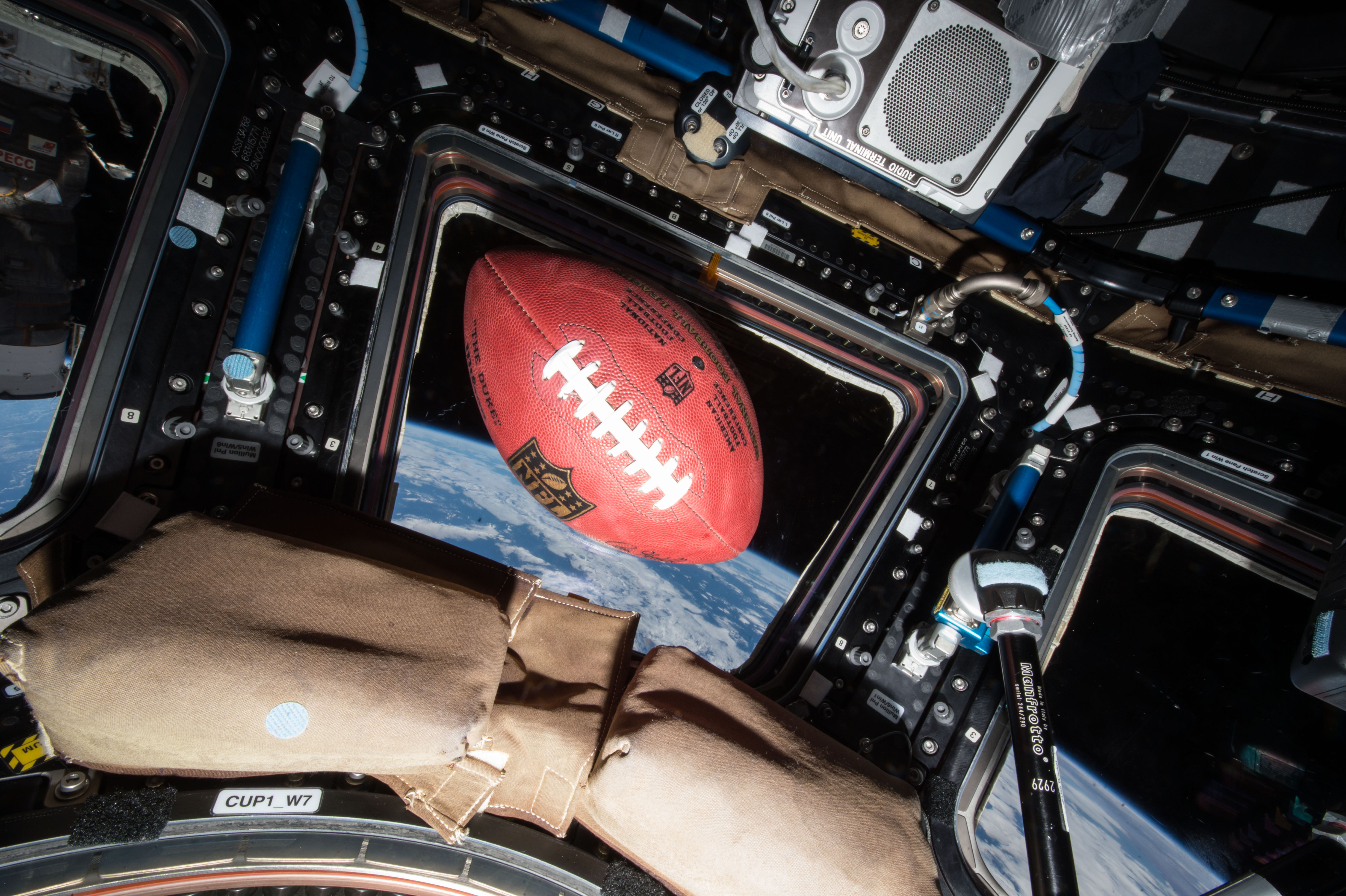
Through a new collaboration between NASA and the National Football League (NFL), the agency will soon bring America’s strengths in space exploration and aeronautics innovation to the football field. NASA will conduct flyovers, astronaut appearances, and fan engagement at NFL games across the United States as part of its new Inspiration Tour. “This is the […]
The space economy will grow exactly as fast as we can launch rockets.

Paris, France | August 2026– More than 6,500 Earth observation (EO) satellites are expected to launch by 2035, generating $155.9 billion in manufacturing revenues as governments expand sovereign intelligence, surveillance, […] The post New Novaspace forecast: 6,500+ EO satellites to launch by 2035 appeared first on SpaceNews.

Portal Space Systems has acquired a Falcon 9 to launch its first Supernova spacecraft and will offer excess capacity on the vehicle for rideshare payloads. The post Portal Space Systems to include rideshare payloads on Falcon 9 launch of Supernova appeared first on SpaceNews.

While Starship is grabbing headlines, another fully reusable vehicle is advancing towards a potential 2026… The post Stoke Space conducts second stage fit checks, completes first stage engines ahead of Nova debut appeared first on NASASpaceFlight.com.

WARSAW, Poland — Bulgaria’s government has approved a draft memorandum of understanding with local company Starbase Europe to collaborate on the development of a new space and defense innovation hub […] The post Bulgaria advances project to launch new space, defense innovation hub appeared first on SpaceNews.
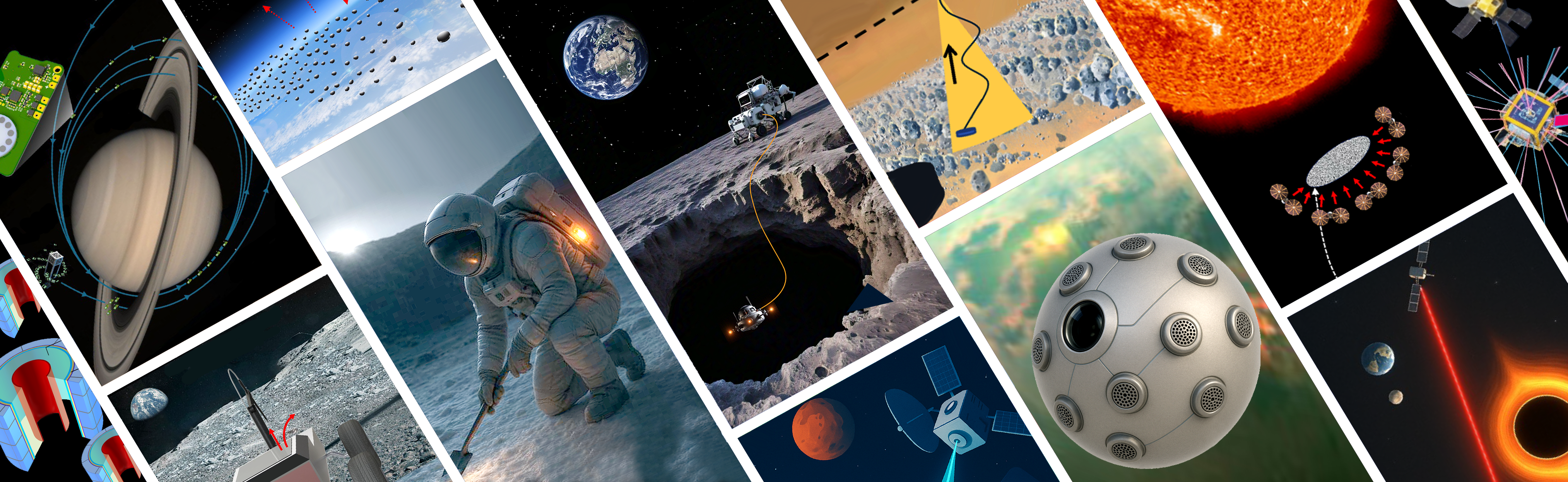
The NASA Innovative Advanced Concepts (NIAC) program has created 18 new awards to support visionary ideas to improve aerospace technologies in areas ranging from the exploration of the solar system to understanding the universe. The 18 NIAC Phase I awards total $3.2 million. Each award provides up to $175,000 for a nine-month initial investigation. The […]

DIU solicitation aims to move long-studied technology toward military use by fiscal 2030 The post Defense Innovation Unit seeks commercial path to deliver electrical power from orbit appeared first on SpaceNews.
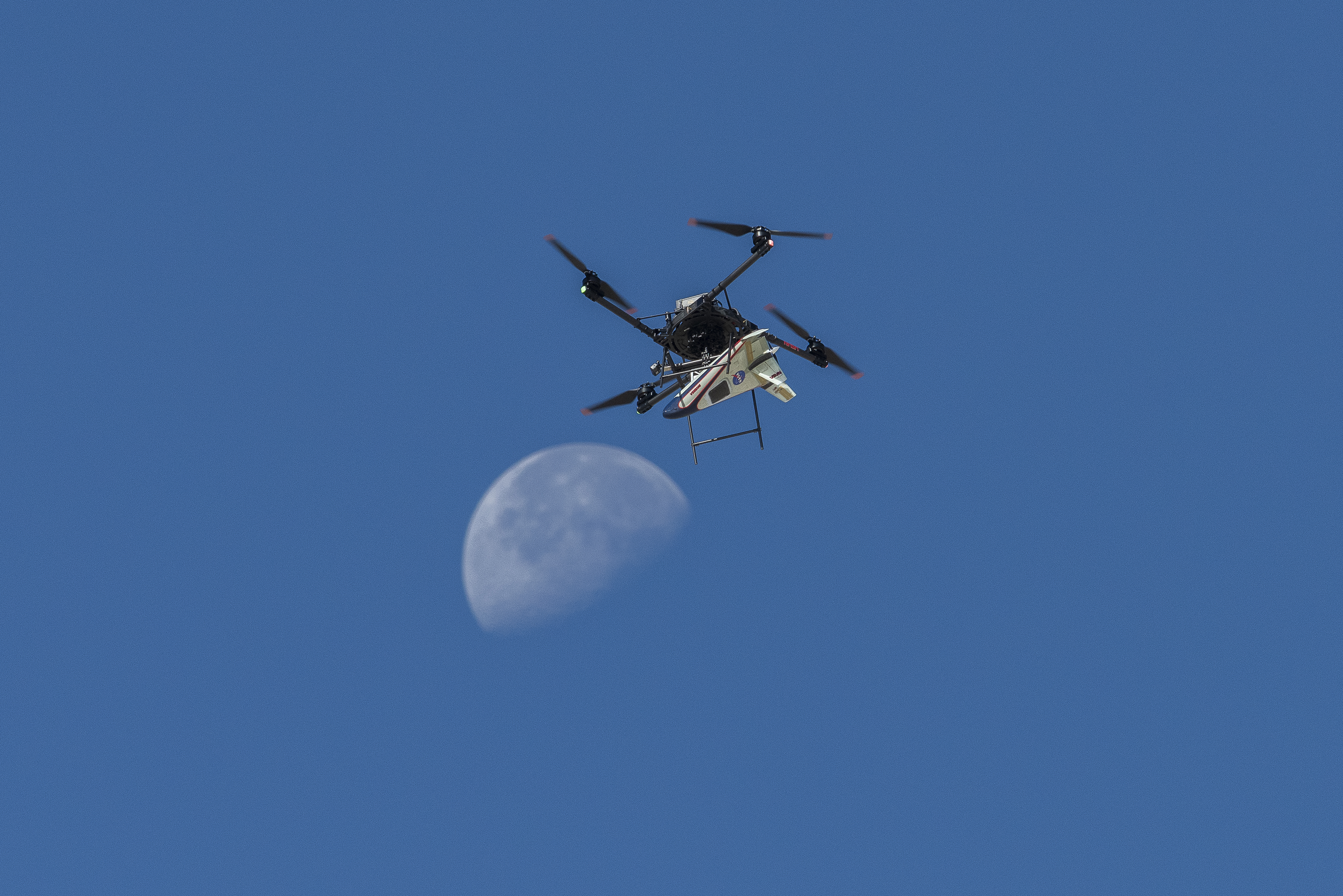
Testing new aerospace concepts in flight remains one of NASA’s most effective ways to advance knowledge and reduce risk. The Dale Reed Subscale Flight Research Laboratory at NASA’s Armstrong Flight Research Center in Edwards, California, supports this mission by using small, remotely piloted and autonomous aircraft as cost‑effective platforms to mature innovative ideas, accelerate learning, […]