Ariane 5 ECA+
ArianeGroup
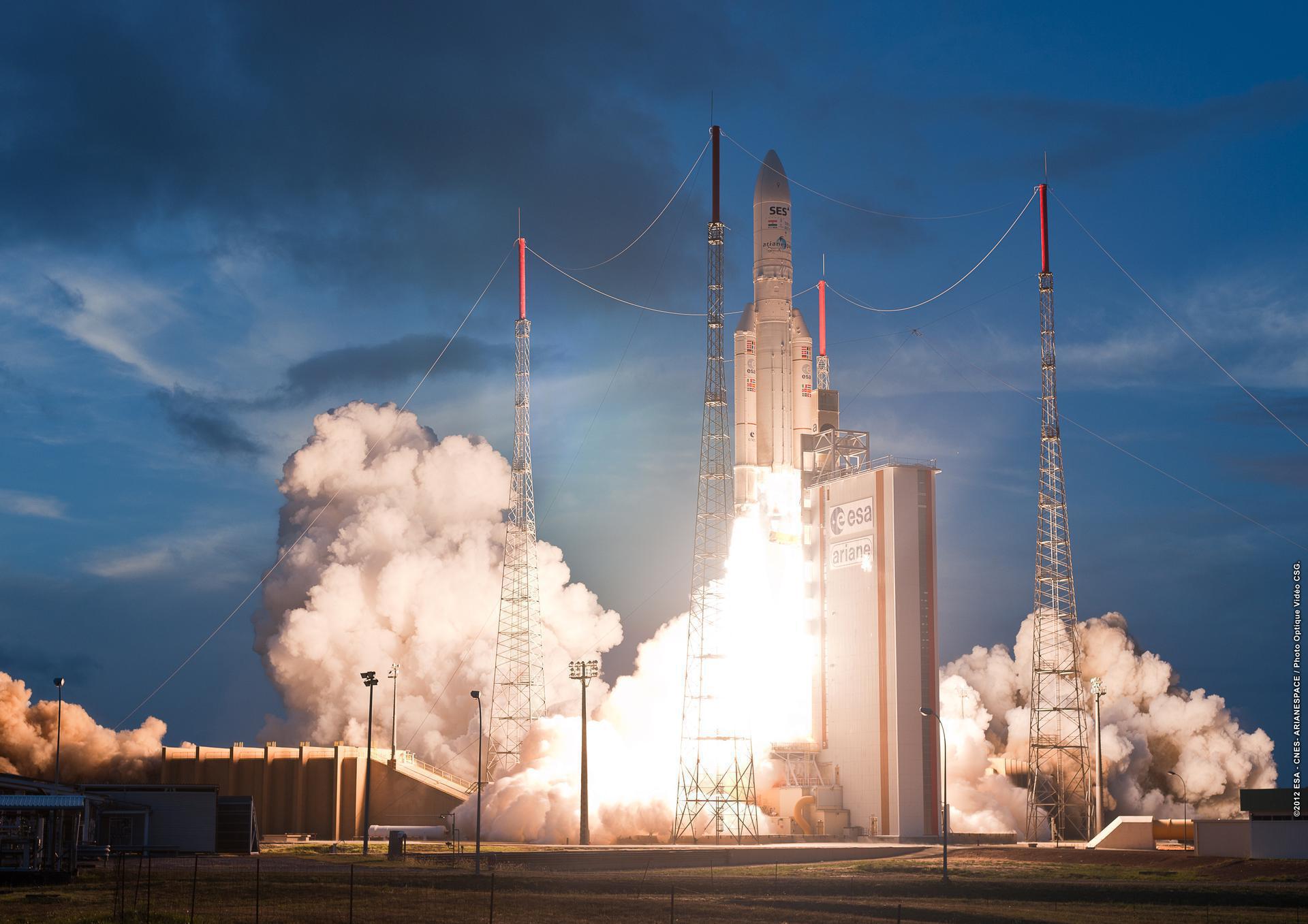
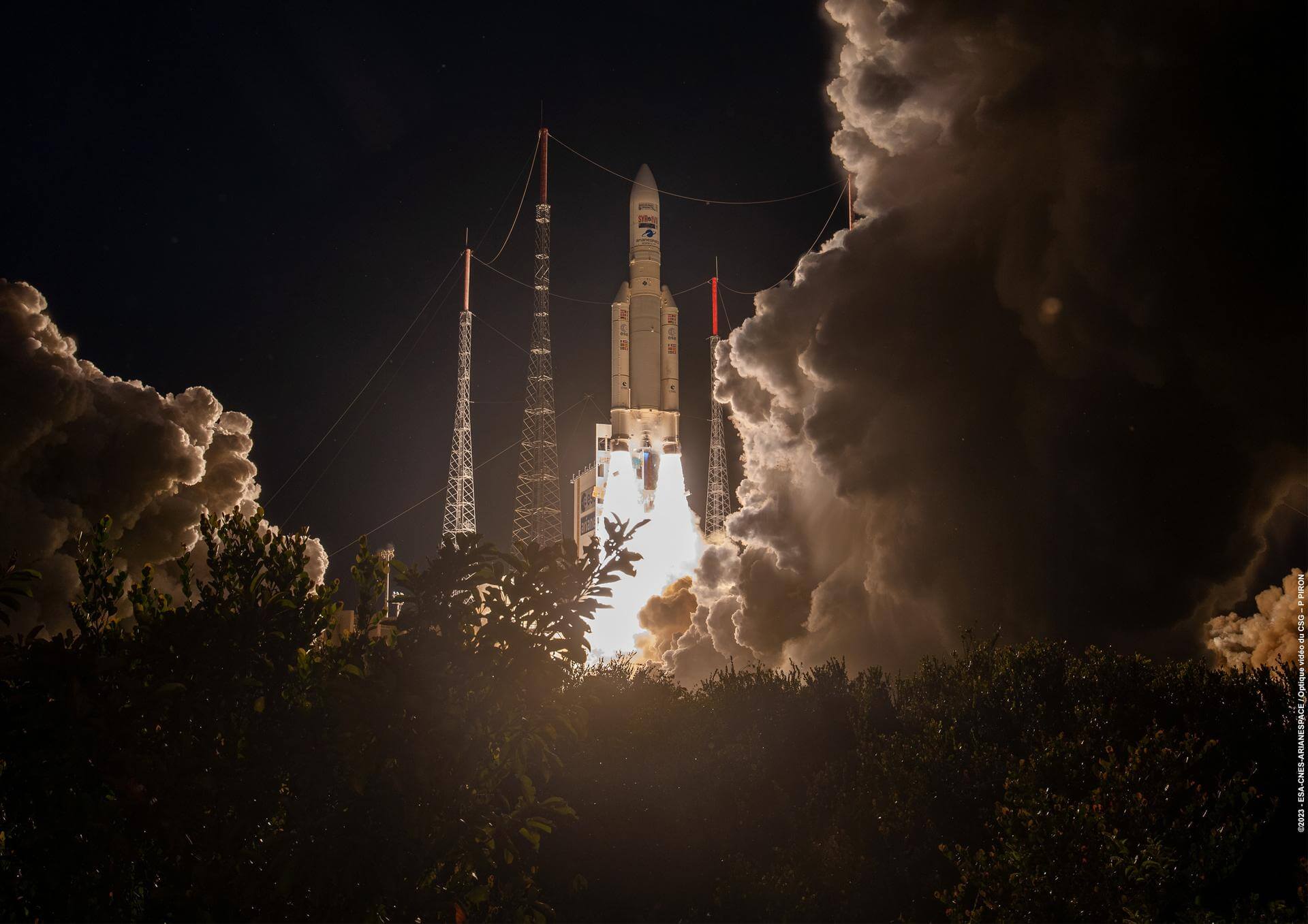
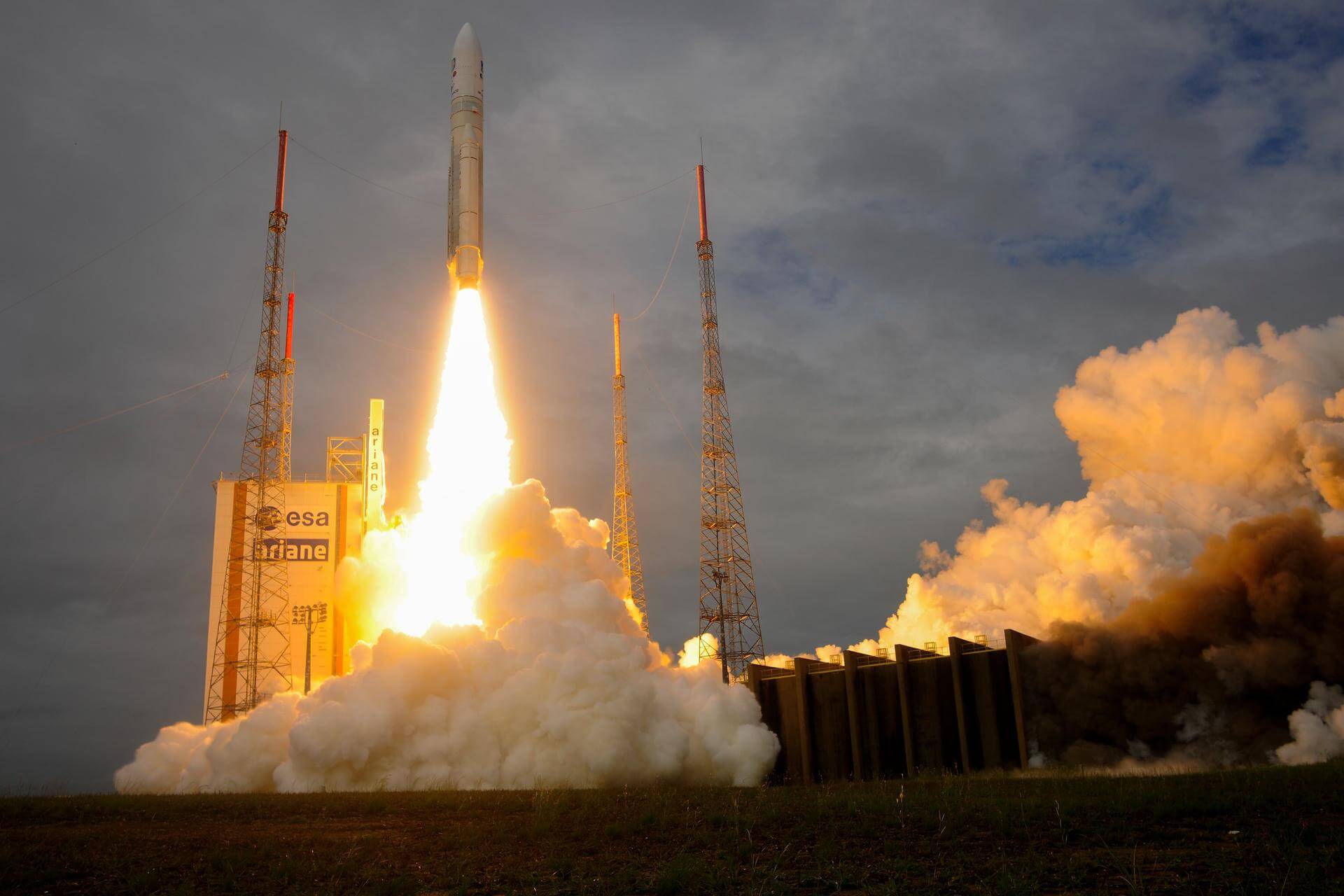
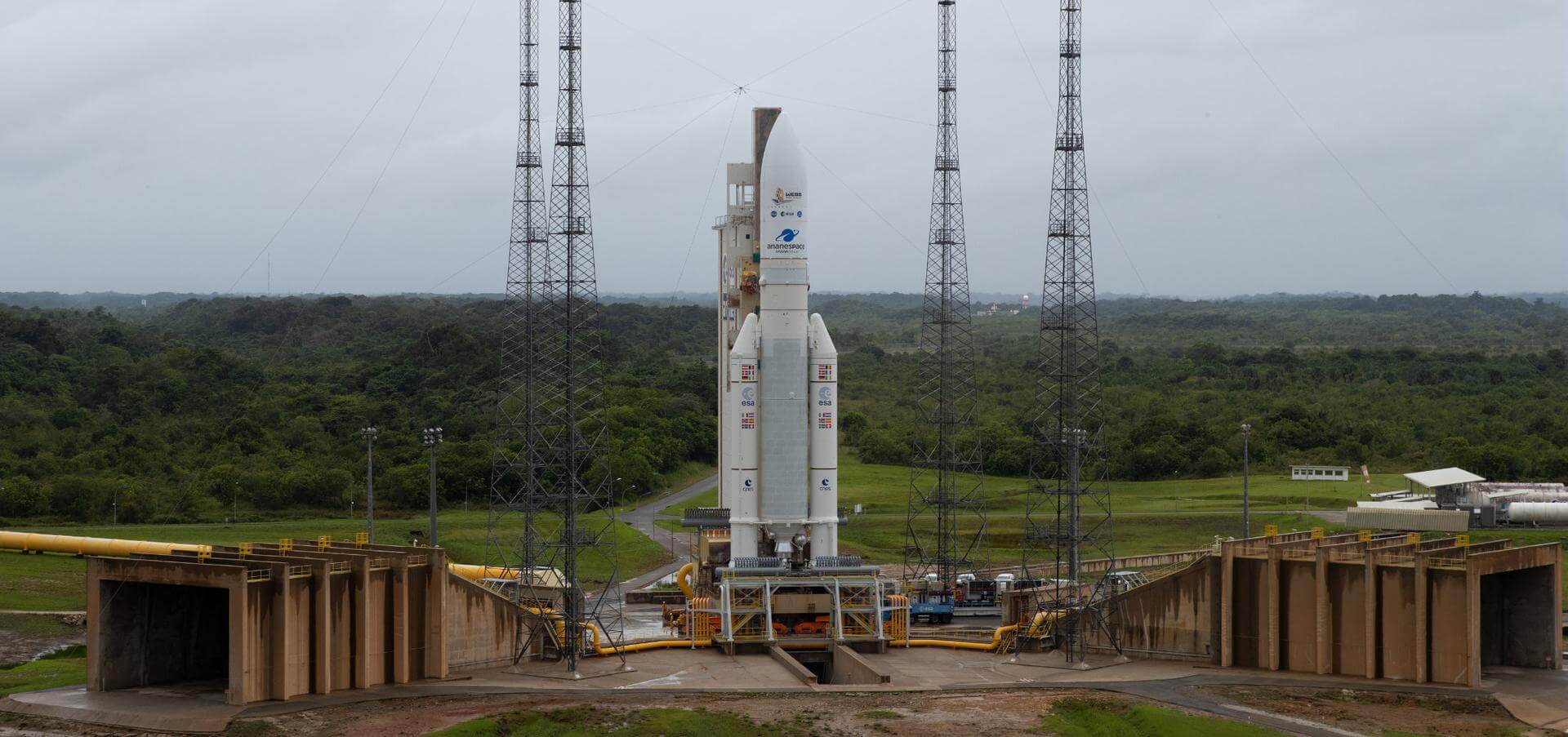
Ariane 5 ECA+ is a variant of the Ariane 5 heavy-lift vehicle, with a taller ECA-D upper stage.
📡 Livestreams & Webcasts





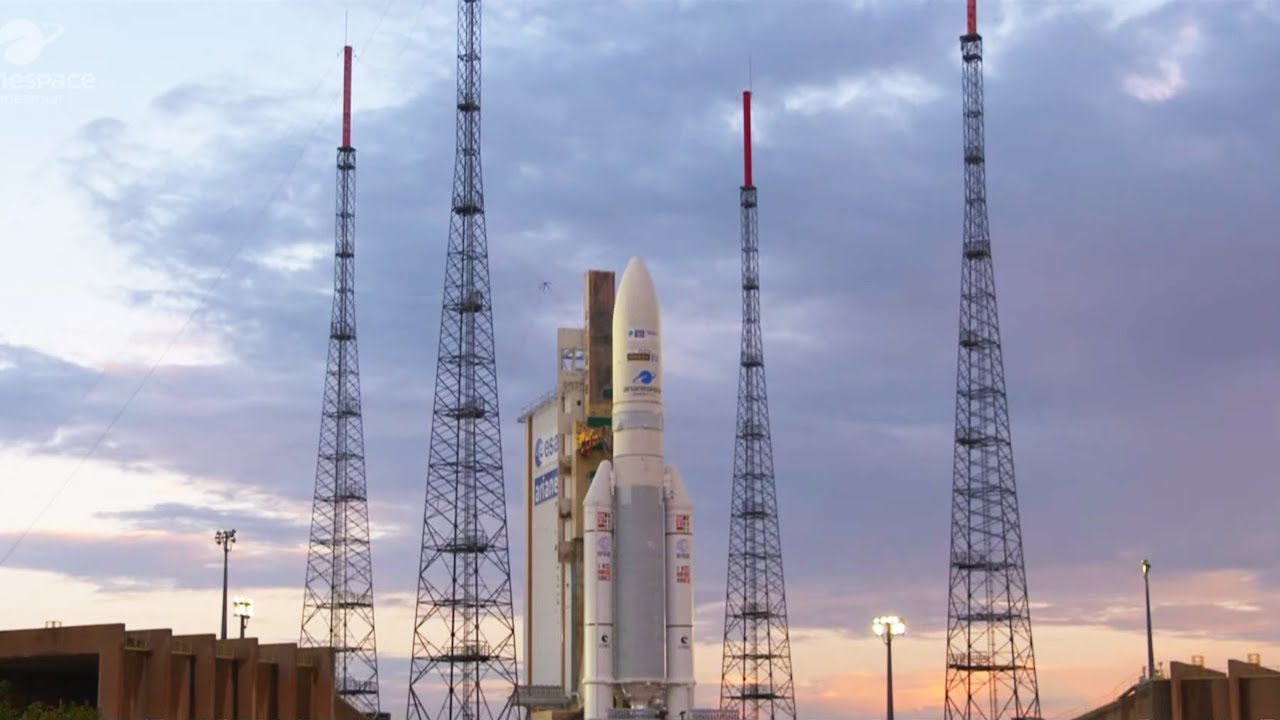

🚀 Über die Rakete: Ariane 5 ECA+





📰 News
In den frühen Morgenstunden hat eine Ariane 6, Mission VA270, den Wettersatelliten MTG-I2 vom europäischen Weltraumbahnhof Kourou in Französisch-Guayana, in die Umlaufbahn befördert. Er komplettiert die erste Familie von Meteosat Satelliten der dritten Generation , die hochaufgelöste Bilder des Wetterverhaltens alle 2,5 Minuten, im Bereich von Europa und dem nördlichen Afrika liefern. Der Beitrag
Der nächste Meteosat-Third-Generation-Imager-Satellit (MTG-I2) soll im Rahmen des Fluges VA270 an Bord einer Ariane-6-Rakete vom europäischen Weltraumbahnhof in Französisch-Guayana aus starten. Er wird die erste Generation der MTG-Satelliten vervollständigen, die Daten für Wettervorhersagen über Europa und Nordafrika in bisher unerreichter Detailgenauigkeit liefern werden. Der Start wird am Donner
Wie aus einer Meldung des Portals SpaceScout mit Bezug auf ein ESA Dokument hervorgeht wird die Weiterentwicklung der Ariane 6 eingestellt. Betroffen wäre davon unter Anderem ein zukünftiges Upgrade mit Namen Carbon Ariane Upper Stage, oder ICARUS, welche die Oberstufenmasse senken und die Nutzlast erhöhen würde. Auswirkungen hätte dies auch die L4 Mission für Anfang […] Der Beitrag 11. 8. 2026 –
In dem kürzlich veröffentlichten Jahresabschluß 2025 weist Maiaspace ein negatives Eigenkaptial auf. In einer Entscheidung die die Fortführung des Unternehmens betraf entschied die Muttergesellschaft ArianeGroup das MaiaSpace nicht aufgelöst wird. Der Beitrag 3. 8. 2026 – MaiaSpace schreibt tiefrote Zahlen erschien zuerst auf Raumfahrer.net .
Der vierte Flug einer Ariane 6 dieses Jahres wird mit dem Flug VA270 mit einer Ariane 62 den Wettersatelliten MTG-I2 am 27. August von Kourou aus in den Orbit befördern. Entwickelt wurde MTG-I2 durch die ESA, gebaut von einem Konsortium europäischer Firmen, vornehmlich Thales Alenia Space, OHB und Leonardo, und betrieben werden wird er wieder […] Der Beitrag 20. 7. 2026 – Arianespace startet MTG-I
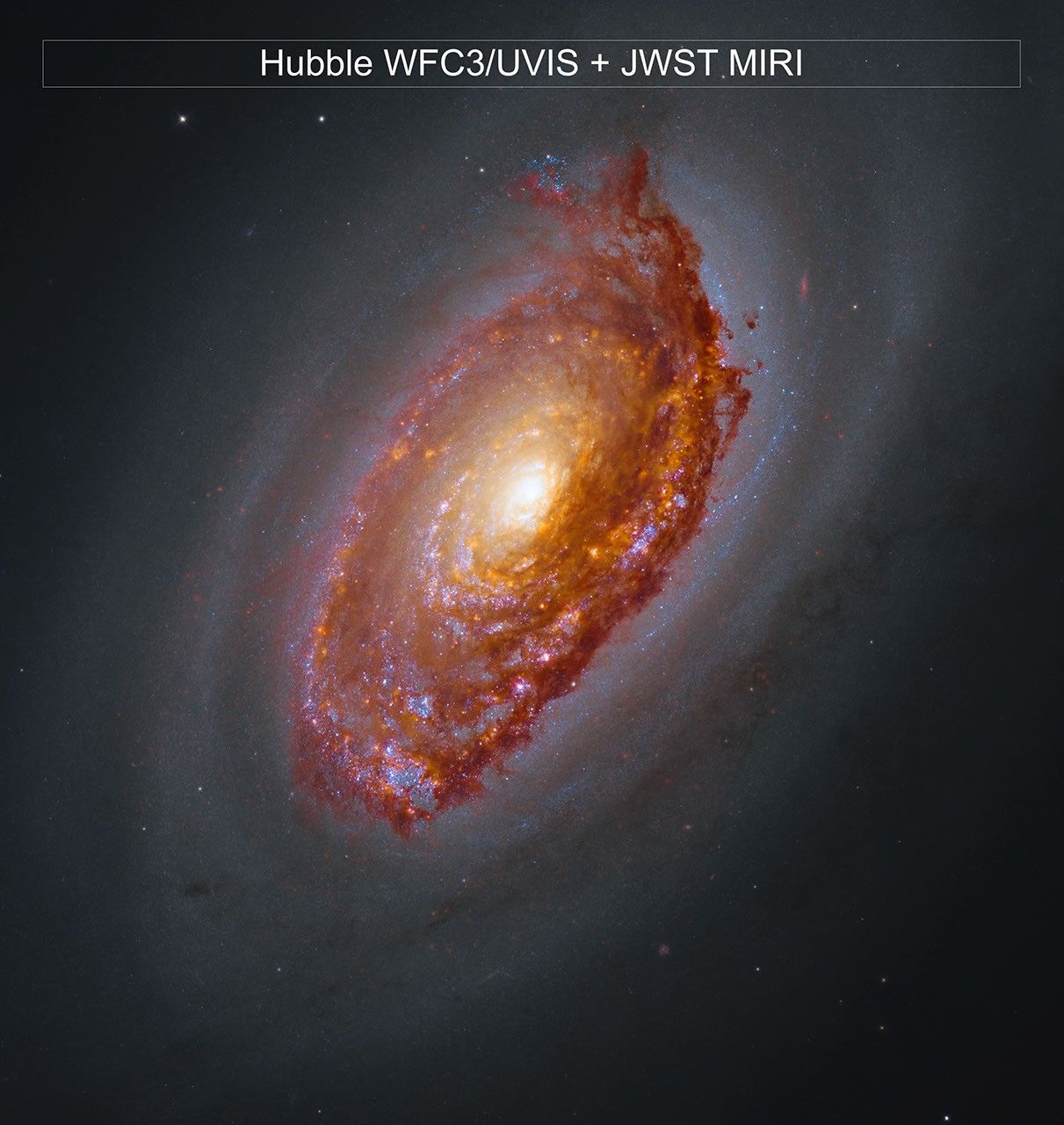
APOD Science APOD APOD: 2026 September 16 –… Today’s APOD Archive Submissions Index Search Calendar RSS Education About Discuss APOD Astronomy Picture of the Day Discover the cosmos! Each day a different image or photograph of our fascinating universe is featured, along with a brief explanation written by a professional astronomer. Hubble + WebbHubble […]

This starry view of the nearby star-forming region IC 348 is one of the largest images from the NASA/ESA/CSA James Webb Space Telescope released to the public so far. Using Webb, astronomers searched IC 348 for brown dwarfs, which are less massive than the smallest stars. The researchers discovered brown dwarfs just twice the mass of Jupiter, bringing the study of these curious objects into a new mass range.

In new images from the NASA/ESA/CSA James Webb Space Telescope to celebrate its fourth science anniversary, a familiar galaxy transforms into something far richer, and far more complex, than ever seen before. Webb’s unprecedented sensitivity across near- and mid-infrared wavelengths cuts through the thick lanes of dust that obscure Centaurus A’s centre in visible light, showing a densely packed tapestry of individual stars and an active, everchanging galaxy. These images mark four years of better-than-anticipated performance and successful science operations for the most powerful space telescope in history.
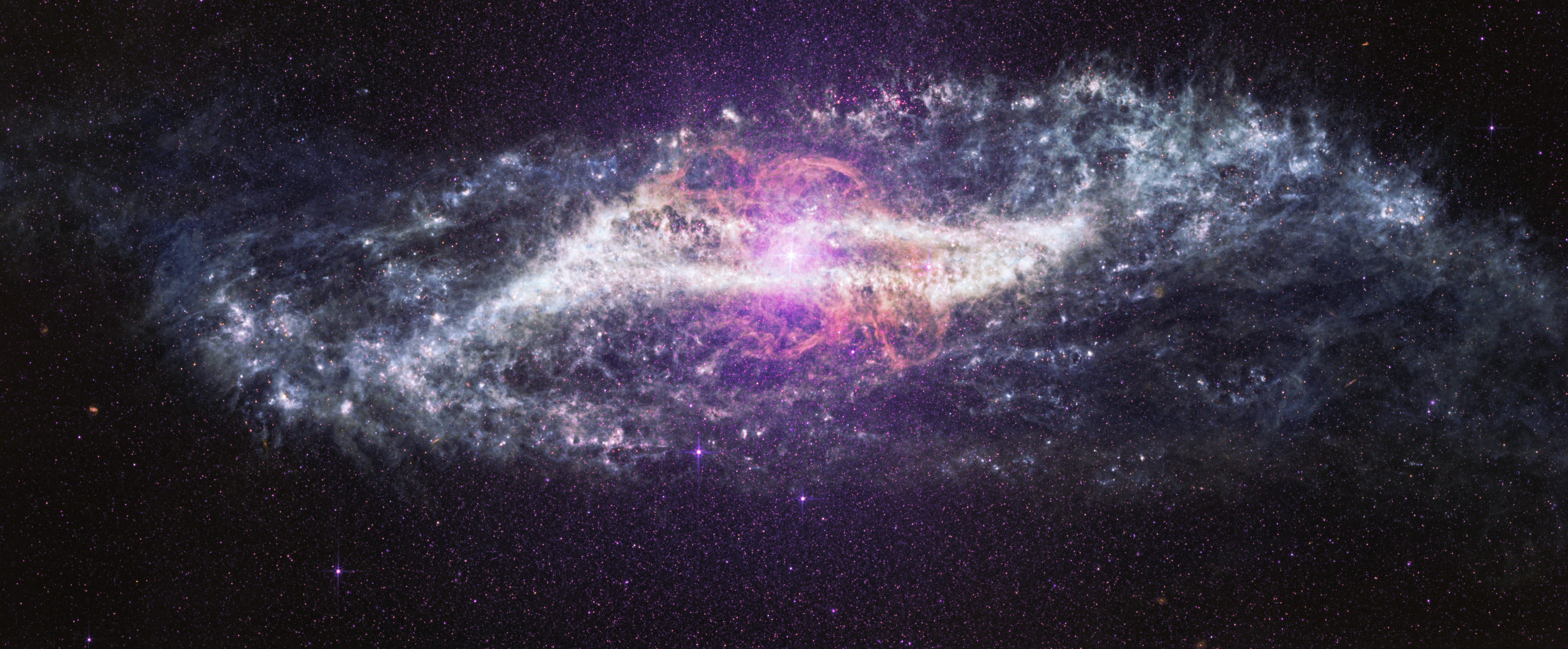
In new images from NASA’s James Webb Space Telescope to celebrate its fourth science anniversary, a familiar galaxy transforms into something far richer, and far more complex, than ever seen before. Webb’s unprecedented sensitivity across near- and mid-infrared wavelengths cuts through the thick lanes of dust that obscure Centaurus A’s center in visible light, showing […]
NASA’s James Webb Space Telescope has captured the infrared light of numerous features that previously were impossible to see beyond the thick dust of the FS Tau star system. In addition to myriad background galaxies that burst into view like fireworks for the United States’ 250th anniversary celebrations, this image flickers with a number of […]
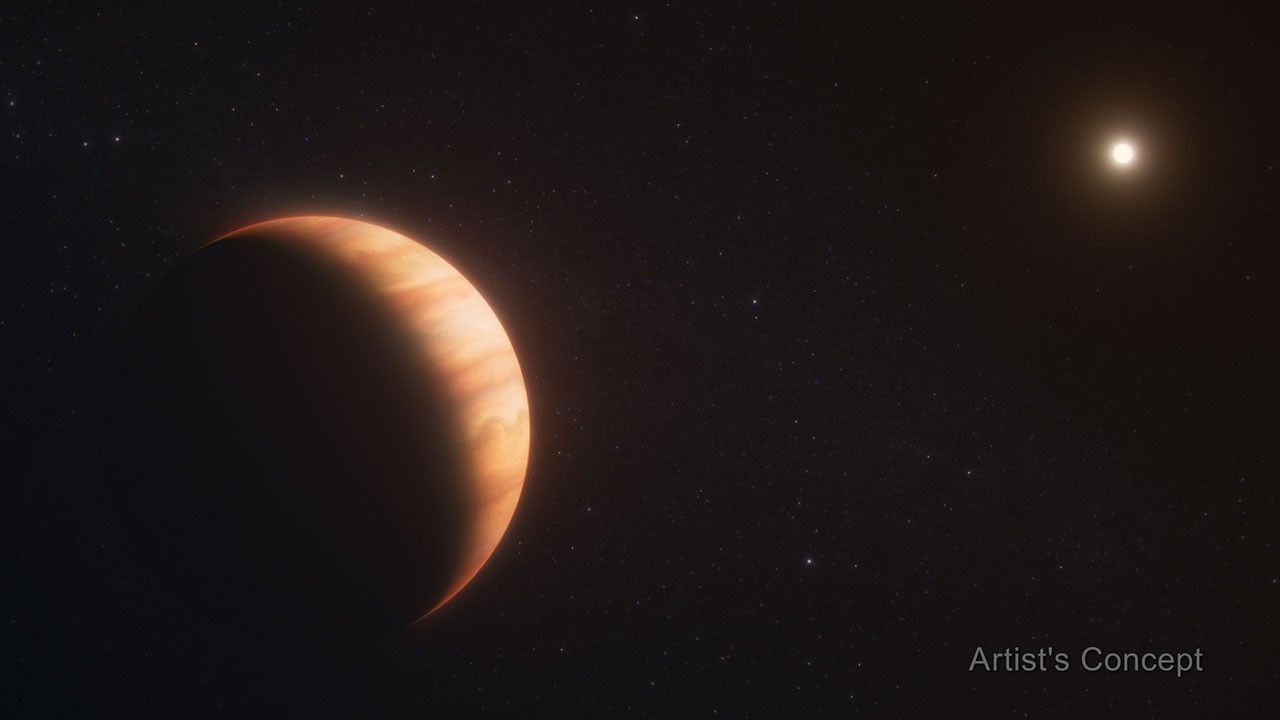
NASA’s James Webb Space Telescope is giving us new insight into the far-future of solar systems like our own, as the agency continues to reveal the secrets of the universe and our place in it. Billions of years ago, a Sun-like star nearing the end of its life swelled tremendously in size to become a […]

An international team of astronomers has used the NASA/ESA/CSA James Webb Space Telescope to watch the Jupiter-sized exoplanet WD 1856 b transit its host star, measuring the planet’s mass and temperature and even detecting its atmosphere.