🔭 Weltraumteleskop
Euclid
ESAs „Detektiv der dunklen Seite“: Euclid kartiert Milliarden Galaxien über ein Drittel des Himmels, um Dunkle Materie und Dunkle Energie zu vermessen — die 95 % des Universums, die wir nicht sehen können.
Wikipedia →🎬 Aktuelle Videos





📰 News
Das Weltraumteleskop „Euclid“ der Europäischen Weltraumorganisation ESA hat 31 der ältesten Quasare entdeckt, die jemals gefunden wurden. Zwei dieser riesigen und strahlenden Galaxienkerne, die von gigantischen Schwarzen Löchern angetrieben werden, sind die frühesten Quasare, die bisher in der Geschichte des Universums beobachtet wurden. Sie strahlten mit der Leuchtkraft einer Billion Sonnen, als

How do scientists studying space with data from a telescope hundreds of thousands of miles away know that what they are seeing is real? A new NASA project, Artifact InSPECtor, invites you to find out – and by doing so, to help missions like Euclid and NASA’s new Nancy Grace Roman Space Telescope answer fundamental […]

From the ESA Blogs.

What did space have in store for Europe this month? This June, ESA astronaut Luca Parmitano was named pilot of NASA's Artemis III mission, Ariane 6 set a new European launch record, Proba-3 returned to operations, ESA satellites detected early signs of El Niño, Euclid unveiled its most detailed view yet of the Milky Way's galactic centre, and Sophie Adenot reached the halfway point of her εpsilon mission aboard the International Space Station.

The European Space Agency (ESA) recently released a new picture of the center of the… The post Euclid studies Milky Way center, supports future Roman observations appeared first on NASASpaceFlight.com.
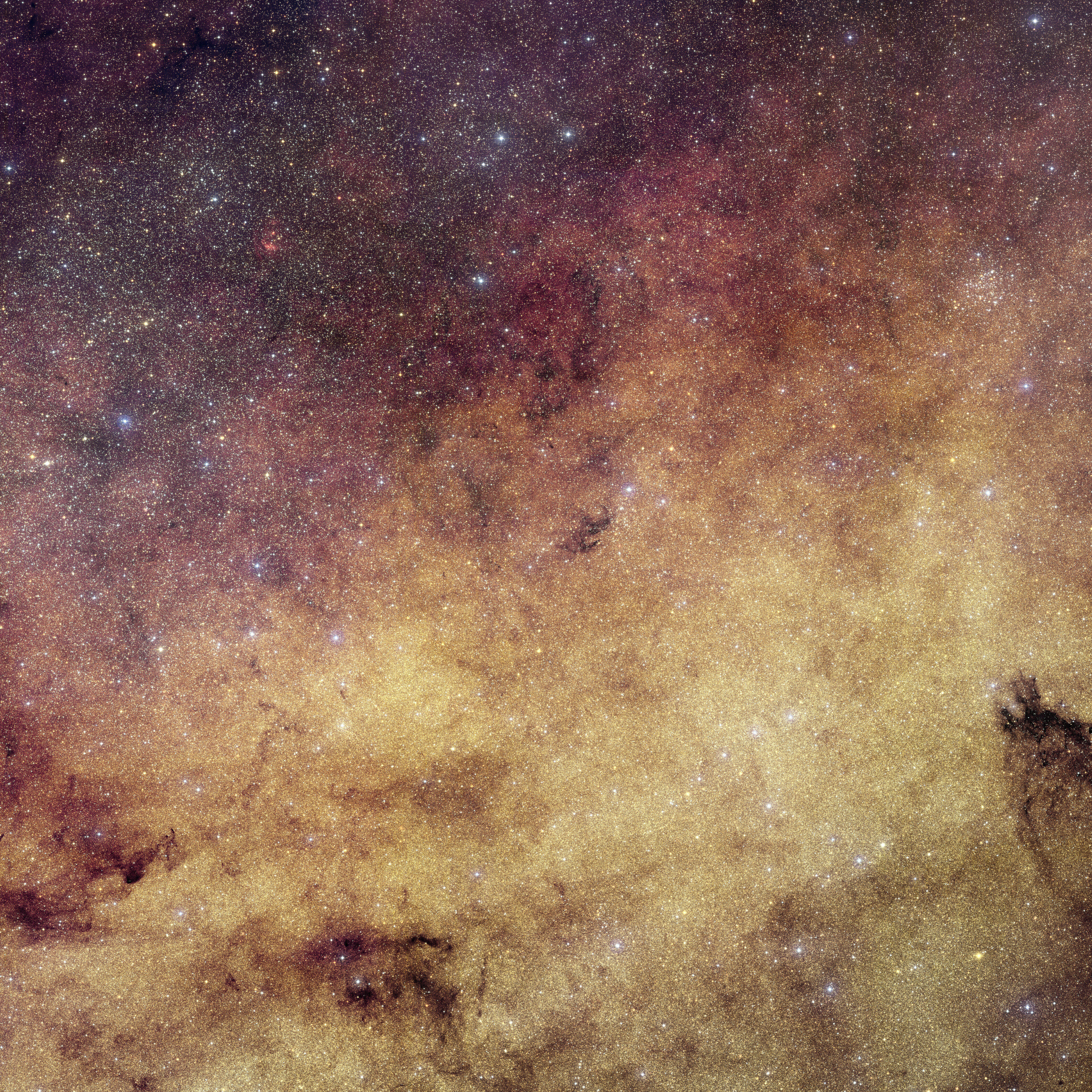
Euclid, an ESA (European Space Agency) mission with NASA contributions, took a new look at the heart of our Milky Way galaxy, seen in this image released on June 24, 2026. This observation overlaps with a region scientists will observe with NASA’s Nancy Grace Roman Space Telescope, launching later this summer. This sneak peek gives […]
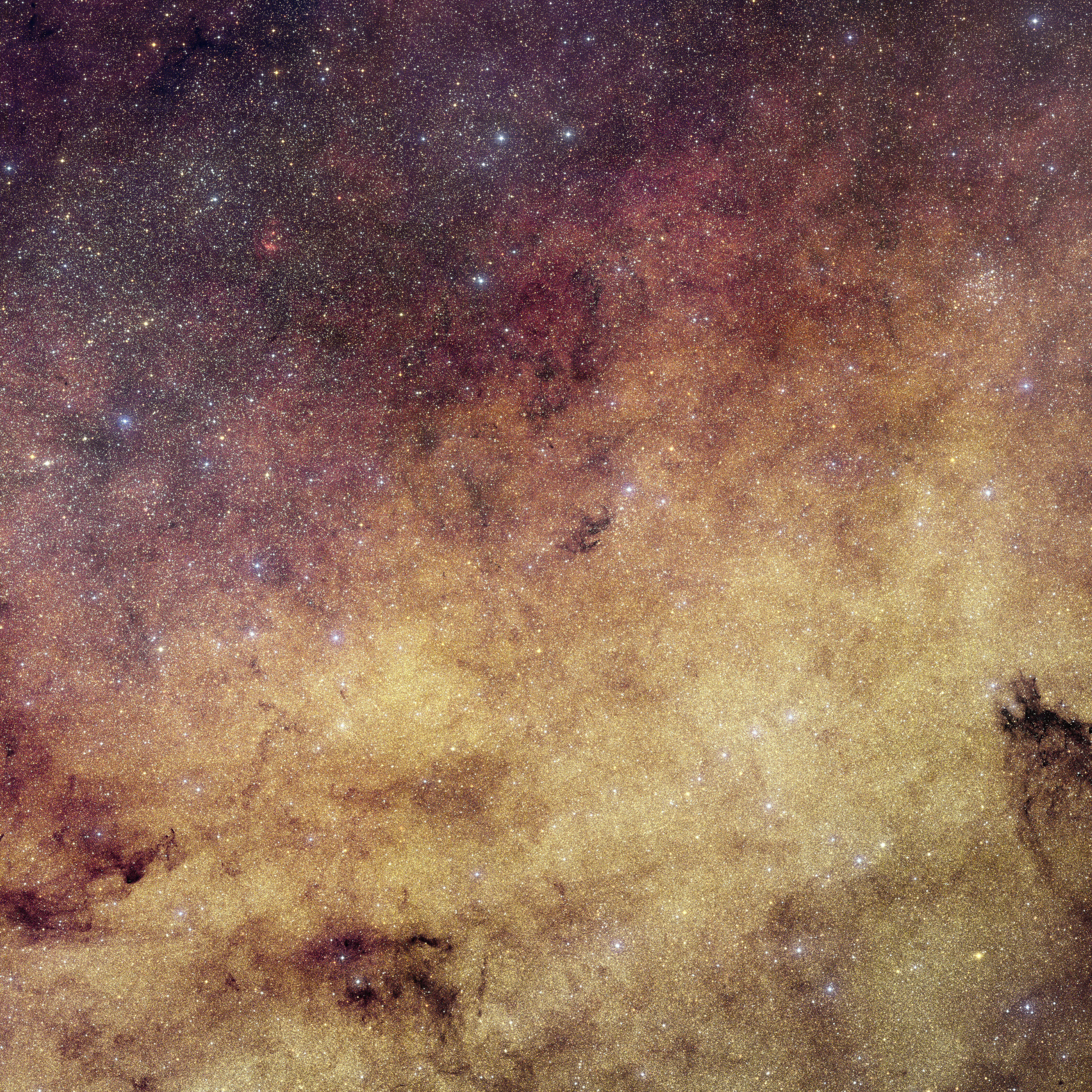
A new look at the heart of our Milky Way galaxy by Euclid, an ESA (European Space Agency) mission with NASA contributions, overlaps with a region scientists will observe with NASA’s Nancy Grace Roman Space Telescope, launching later this summer. This sneak peek gives astronomers a major jumpstart on a core Roman survey, helping scientists […]

From the ESA Blogs.

This is the largest high-resolution photo ever made of our Milky Way galaxy’s centre in visible light. It was taken on 23 March 2025 by the European Space Agency’s Euclid space telescope. Packed with more than 60 million stars, this image opens the door for scientists to confirm the existence of any exoplanet found in this region and measure its mass using tiny changes in starlight over time.