Nutzlast / Mission
Wind
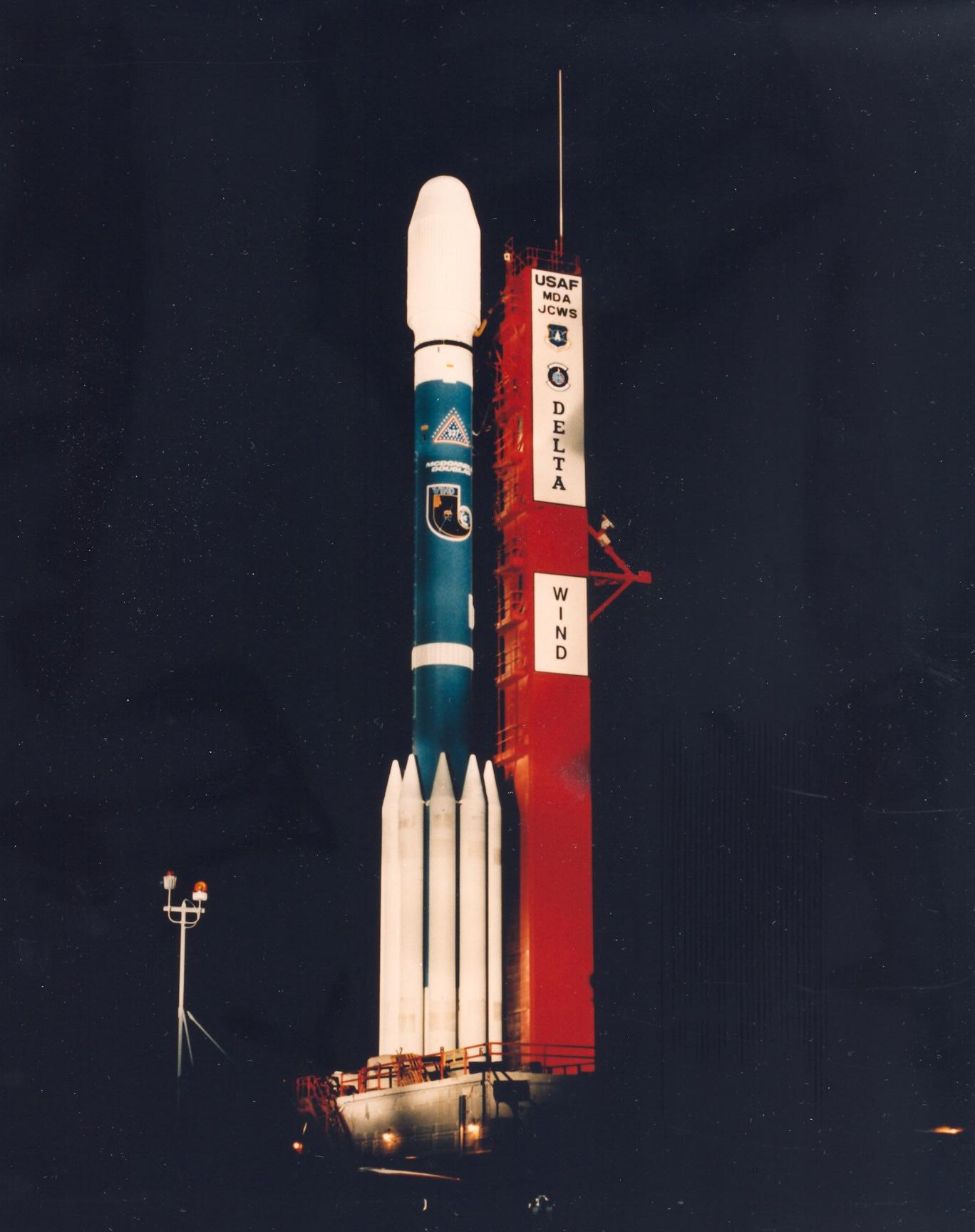
The main purpose of the Wind spacecraft is to measure the incoming solar wind, magnetic fields and particles, although early on it will also observe the Earth's foreshock region. Wind, together with Geotail, Polar, SOHO, and Cluster projects, constitute a cooperative scientific satellite project designated the International Solar Terrestrial Physics (ISTP) program which aims at gaining improved understanding of the physics of solar terrestrial relations.
📰 News
In den frühen Morgenstunden wurde die zweite EVA von Sophie Adenot, bei der eine Hochgeschwindigkeits-Bodenfunkantenne installiert wurde, nach gut 6,5 Stunden beendet. Für den 1. September ist bereits ihre dritte EVA geplant, bei der ein Retroreflektor getauscht, Kabel installiert, vorbereitende Arbeiten am Kühlsystem des Alpha-Magnet-Spektrometers durchgeführt und eine HD-Kamera an der ISS ersetz
Astronomen haben den schnellsten bekannten Stern in unserer Galaxie, der Milchstraße, entdeckt, der das Schwarze Loch in ihrem Zentrum umkreist. Der Stern mit der Bezeichnung S301 wurde mit dem Very Large Telescope Interferometer (VLTI) der Europäischen Südsternwarte (ESO) entdeckt und erreicht Geschwindigkeiten von 25 000 km/s, während er das Schwarze Loch mit einer Masse von […] Der Beitrag Der
Je nach Schleppgeschwindigkeit, die bei 2 bis 2,7 Knoten liegt soll das Gespann aus Normand Ranger, GO Australis und der Oberstufe des SpaceX Testfluges 13, Ship 40, morgen früh zwischen 2 und 5 Uhr am Pier von Flying Fish Cove auf der Weihnachsinsel ankommen. Der Beitrag 17. 8. 2026 – Nur noch wenige Stunden bis Ship 40 die Weihnachtsinsel erreicht erschien zuerst auf Raumfahrer.net .
Dieses Bild des James-Webb-Weltraumteleskops der NASA, ESA und CSA entführt uns in ein fantastisches Reich innerhalb unserer Heimatgalaxie, wo durchdringendes Sternenlicht und wirbelnde Winde Staubwolken in fantasievolle Formen formen. Diese Aufnahme stammt aus dem Carina-Nebel, der nur 7.500 Lichtjahre entfernt im Sternbild Carina (der Kiel) liegt.Eine Pressemitteilung der Europäischen Weltraumag
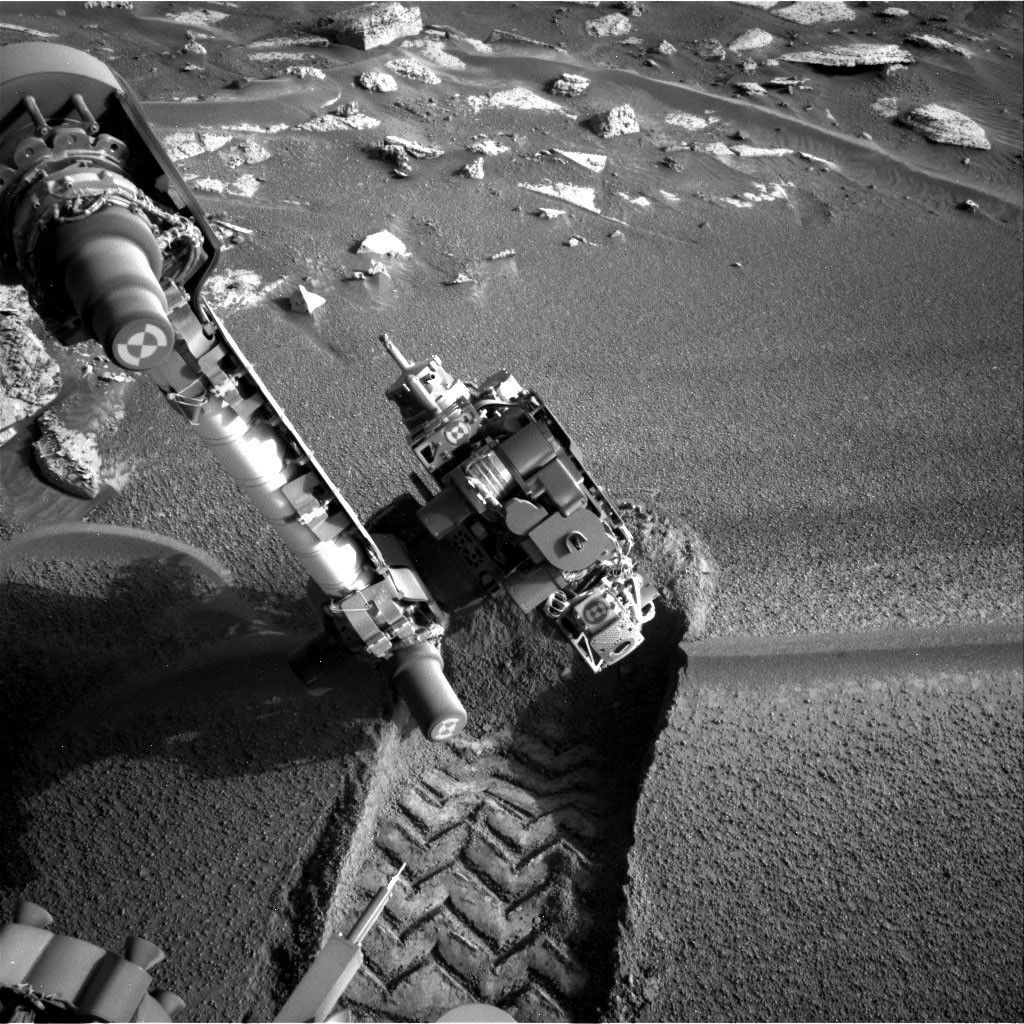
Written by Benjamin Tutolo, Professor, University of Calgary Earth planning date: Friday, Sept. 4, 2026 Curiosity has marked several huge milestones (14 years on Mars; 5,000 sols on Mars; 1 kilometer of elevation gain since landing) over the past several weeks, and the team has duly celebrated these remarkable achievements. These celebrations punctuate the rover’s […]
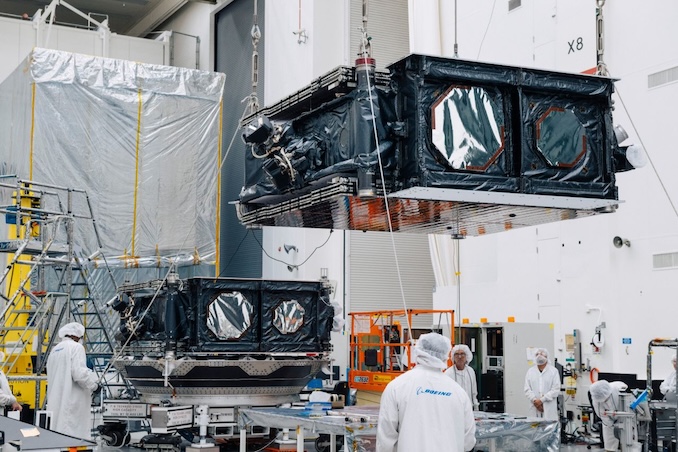
The launch marks the 400th orbital flight from Space Launch Complex 40 at Cape Canaveral Space Force Station. Liftoff is scheduled during an 87-minute window that opens at 2:49 p.m. EDT (1849 UTC).

At a time of year when dust storm activity winds down, a plume of dust blanketed parts of the West African nation and its neighbors.
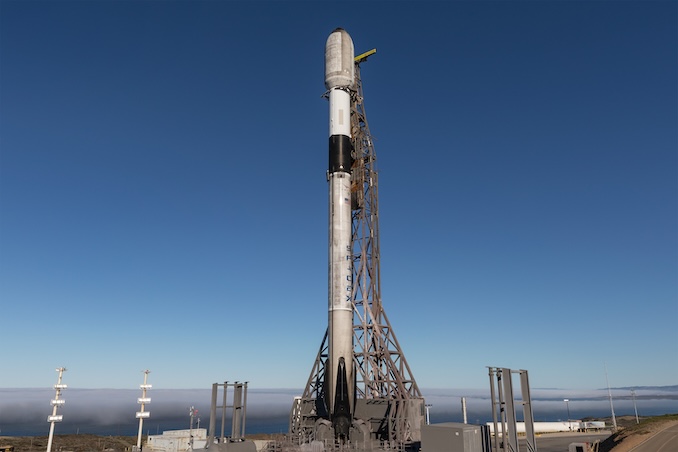
The mission, dubbed USSF-153 mission, will launch an undisclosed number of satellites for the U.S. Space Force. Liftoff from pad 4E at Vandenberg Space Force Base is scheduled during a three-hour window that opens at 8:37 a.m. PDT (1137 a.m. EDT / 1537 UTC).

Jaden Caradine knew he wanted to be an engineer at eight years old. He just took a winding road to get there. Before he enrolled at Embry-Riddle Aeronautical University, before he discovered the field that would become his focus, and before he landed a Pathways internship at NASA’s Langley Research Center in Hampton, Virginia, Caradine […]
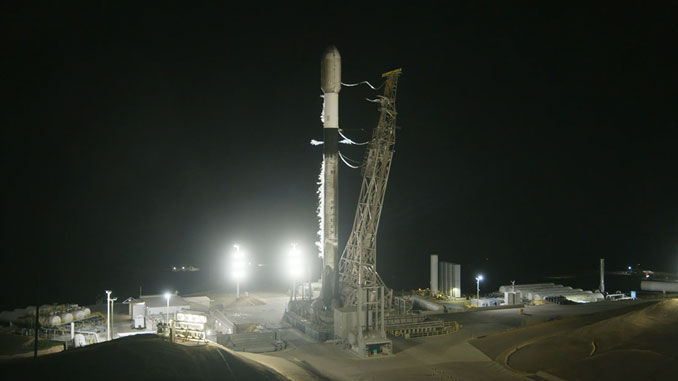
SpaceX decided to shift all Starlink missions flying on Falcon 9 rockets to the West Coast as it pushes towards the debut of its Starship-Super Heavy in Florida. Liftoff of the Starlink 15-24 mission from Vandenberg Space Force Base is scheduled during a window that opens at 3:59 a.m. PDT (6:59 a.m. EDT / 1059 UTC).
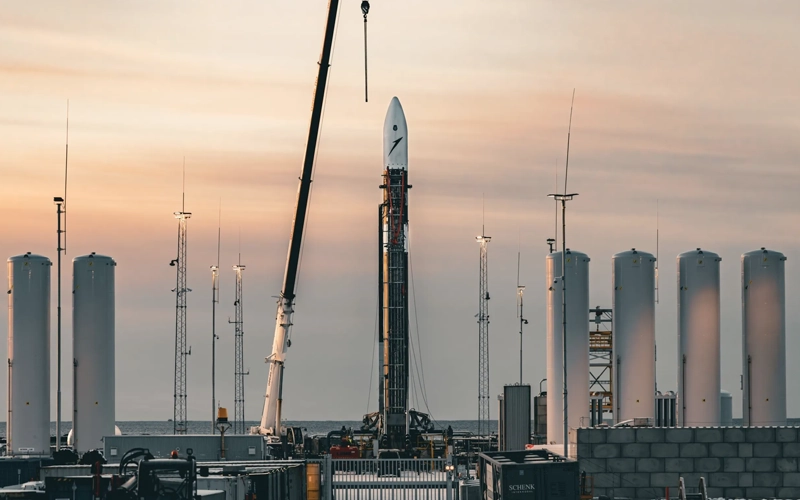
Maritime safety notices indicate that a week-long launch window for Isar Aerospace’s second Spectrum flight will open on 4 September. On 1 September, the Norwegian Coastal Administration issued a warning outlining that rocket launch operations were expected to be conducted daily between 16:00 and 21:35 UTC from 4 to 10 September. The warning establishes two […] The post Isar Aerospace Could Attempt Second Spectrum Flight as Early as 4 September appeared first on European Spaceflight.

Using a donated Hubble-class mirror originally built for a spy satellite, NASA's Roman Space Telescope is poised for launch Sunday on a $4.3 billion mission to open a new window on the universe. Liftoff from the Kennedy Space Center atop a SpaceX Falcon Heavy is scheduled for 7:26 a.m. EDT (1126 UTC).