Electron
TBDPolSIR-1 · Rocket Lab
Current date is a placeholder or rough estimation based on unreliable or interpreted sources.
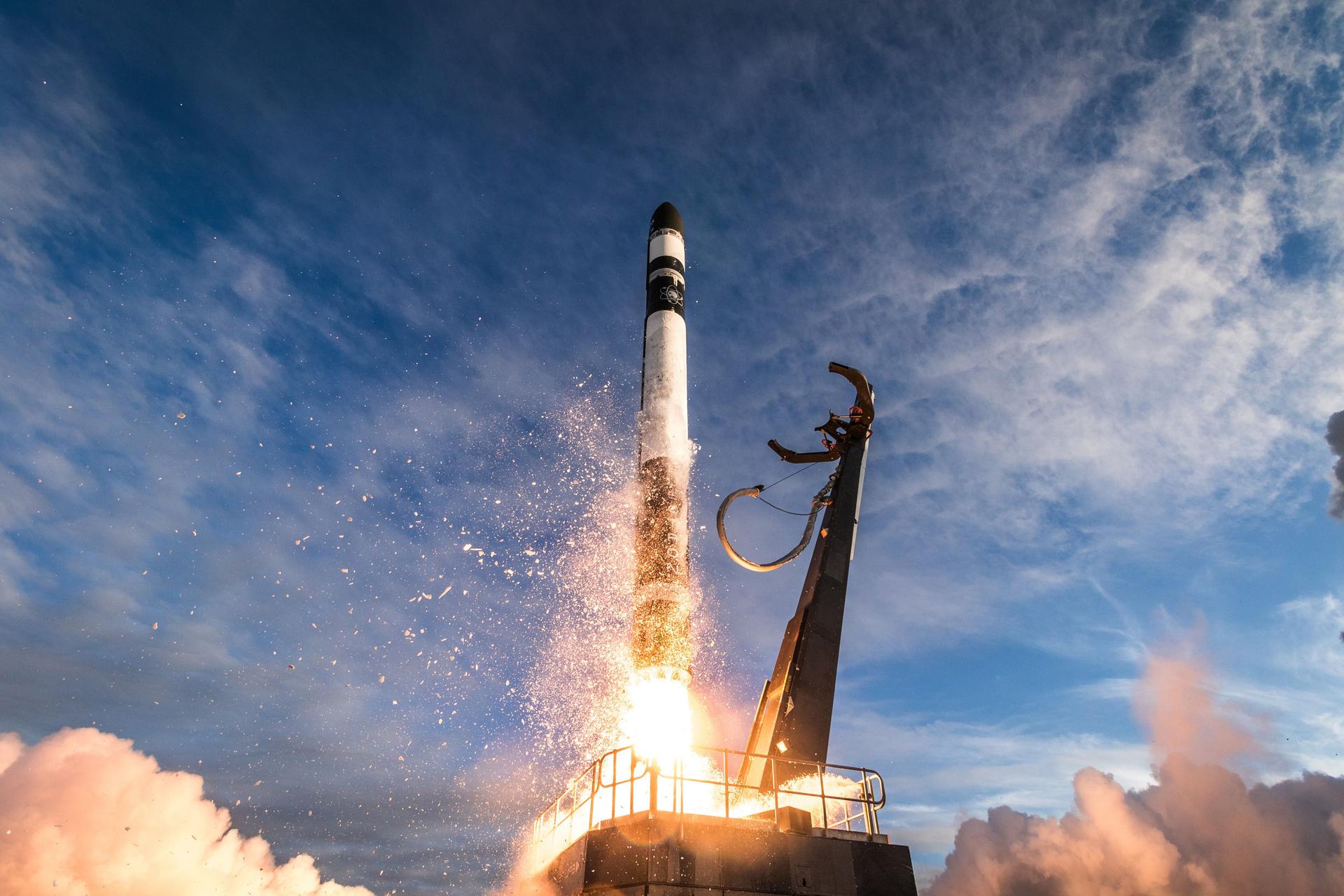
The PoISIR (Polarized Submillimeter Ice-cloud Radiometer) mission will help provide a better understanding of ice clouds that form at high altitudes throughout tropical and subtropical regions. Consisting of two small satellites, both of PoISIR’s 16U CubeSats have a scientific instrument designed to measure a specific spectrum of electromagnetic radiation, which will determine how the amount of ice in tropical clouds rises and falls during the day, as well as how the ice changes connect to larger storms. The instruments also will help determine how ice clouds affect sunlight and heat radiation throughout the day. The pair of CubeSats will fly in orbits separated by several hours to observe the pattern of cloud ice content changes over a day. This information will help researchers make more accurate weather predictions.
Zur Nutzlast-Seite →🎬 Aktuelle Videos
Keine aktuellen Videos gefunden — diese Zeile bleibt leer, bis es Neues gibt.
🚀 Über die Rakete: Electron


📰 News

NASA has selected Rocket Lab to launch a pair of science missions on three Electron rockets in 2027. The post Rocket Lab wins NASA award for three Electron launches appeared first on SpaceNews.

NASA has selected Rocket Lab to provide the launch service for both the agency’s PolSIR (Polarized Submillimeter Ice-cloud Radiometer) and Total and Spectral Solar Irradiance Sensor-2 (TSIS-2) missions. The two selections are part of NASA’s Venture-Class Acquisition of Dedicated and Rideshare (VADR) launch services contract. This contract allows the agency to award fixed-price indefinite-delivery/indefinite-quantity launch […]